
November 1, 2026

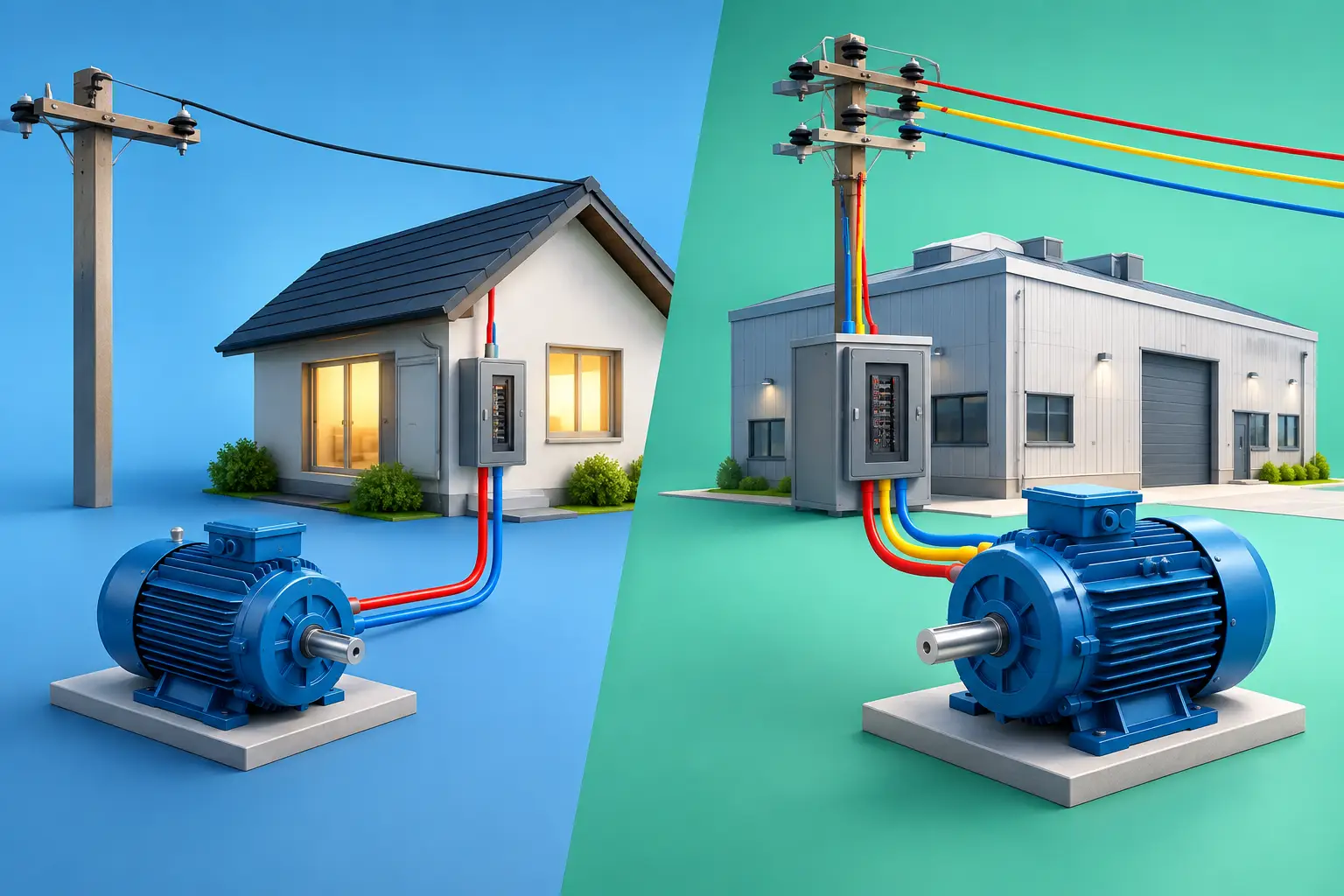
Compare single phase versus three phase power for homes, flats and London commercial premises, including capacity, cost, safety and upgrade work.







A spark from a plug socket is not something to ignore, particularly if it has started happening without warning. If you are asking, “why are sockets sparking suddenly?”, the answer may range from a loose connection or worn accessory to an overloaded circuit or damaged appliance. The right response depends on what you saw, smelled and heard – but safety comes first.
A brief, small blue spark can occasionally occur as a plug is inserted into a live socket, especially when an appliance is switched on. Repeated sparks, large flashes, crackling, heat, burning smells or discolouration are different. They can indicate a fault that needs prompt attention from a qualified electrician.
Do not keep using the socket to see whether the problem happens again. Switch off the appliance at the socket if it is safe to do so, then remove the plug by holding the plug top rather than pulling the cable. If the socket is hot, buzzing, smoking or visibly damaged, do not touch it. Isolate the relevant circuit at the consumer unit only if you can do so safely and know which circuit it is.
If there is smoke, a burning smell, signs of scorching, or a fire risk, treat it as an electrical emergency. Keep people away from the area and contact an emergency electrician. Never pour water over an electrical fire. If there is an immediate danger to life or a fire, call the emergency services.
Once the supply is safely isolated, avoid refitting the plug or using an extension lead from the same outlet. A fault can be hidden behind the faceplate or inside the appliance cable, and continued use can worsen overheating and damage.
Sparking happens when electricity jumps across a small gap, creating an electrical arc. In a healthy installation, the contacts inside a socket make a firm connection with the plug pins. When that connection is loose, worn, dirty or overloaded, arcing can occur. It produces heat quickly and can damage the socket, plug and surrounding wiring.
Socket outlets do wear over time. The internal contacts can loosen after years of use, especially in busy areas such as kitchens, offices, rental properties and commercial premises. A plug that feels loose, droops, or needs to be held in a certain position is a warning sign.
Loose terminals behind the socket faceplate can also cause sparking. This may result from age, poor previous workmanship, movement of the cable, or a connection that has gradually worked loose. Because the issue is concealed, the socket can look perfectly normal until heat marks or a burning smell develop.
The problem may be with the item plugged in rather than the socket itself. Frayed flexes, cracked plug tops, bent pins, damaged chargers and internal appliance faults can all create arcing when connected. Portable heaters, kettles, microwaves, washing machines and high-powered tools deserve particular attention because they draw more current.
A useful observation is whether the spark occurs with one appliance only. If it does, stop using that appliance and have it checked or replaced. If several appliances cause the same socket to spark, the outlet or circuit is more likely to be at fault. Do not use this as a reason to carry out repeated tests – one safe observation is enough.
Plugging too many items into one outlet through adaptors or extension leads can overload the socket and its connections. This is common in home offices, behind television units, in shared rental accommodation and in shops where equipment has been added over time.
The risk increases when high-load appliances share an adaptor. A heater, air fryer, kettle or tumble dryer should not be run from a multiway extension lead intended for low-power electronics. Even where a circuit has not tripped, excessive demand can generate heat at weak connections and lead to sparking.
Water and electricity are a dangerous combination. Condensation, leaks, cleaning products or damp walls can affect sockets in kitchens, bathrooms, utility rooms, basements and commercial back-of-house areas. Dust, grease and debris can also interfere with electrical contacts, particularly in workshops or retail settings.
A cracked faceplate, impact damage, loose screws or signs of corrosion should be investigated. Do not attempt to clean inside a socket or remove its cover while it remains energised. The source of moisture also needs addressing, otherwise a replacement accessory may fail again.
Older wiring, deteriorated cable insulation, damaged cables from drilling, poor connections in junction boxes or incorrect alterations can all create intermittent faults. These issues may show up as sparking, flickering lights, tripping RCDs, buzzing accessories or isolated areas losing power.
In London properties, wiring can vary significantly between original installations, refurbishments and later extensions. A modern-looking socket does not guarantee that the cabling behind it is in good condition. Testing is the only reliable way to establish whether the circuit remains safe.
A tiny flash at the plug pins when inserting a switched-on appliance can be caused by the appliance drawing an initial inrush of current. Chargers, televisions and some appliances with capacitors can do this. It is still better practice to switch the socket off before inserting or removing a plug.
However, a spark should not be accompanied by a popping sound, visible arcing from the socket, looseness, heat or a burnt smell. It should not happen every time with ordinary appliances. If there is any doubt, arrange an inspection rather than assuming it is normal.
Some faults cannot wait for a routine appointment. Seek urgent professional help if the socket is hot to the touch, blackened, melted, smoking or making a crackling sound. The same applies if a fuse blows or an RCD trips repeatedly, lights flicker elsewhere on the circuit, or you can smell burning plastic.
Landlords and commercial property managers should act quickly where tenants, staff or customers could be exposed to a damaged outlet. Isolating the affected circuit and recording the fault is sensible, but it is not a substitute for repair. Electrical safety duties require installations to be maintained in a safe condition.
A qualified electrician will not simply replace a scorched socket and leave. They should assess the accessory, plug, cable condition, circuit loading, protective devices and connections as required. Testing can identify loose terminals, damaged conductors, polarity issues, insulation faults and inadequate protection that are not visible from the front of the socket.
The repair may be straightforward, such as replacing a damaged outlet or plug. In other cases, the correct solution could involve repairing a section of cable, redistributing loads, upgrading a consumer unit or recommending further inspection of an ageing installation. The scale of work depends on the cause, not on how dramatic the spark looked.
For homeowners, landlords and businesses, using a certified electrician helps ensure work is completed safely and in line with current electrical requirements. It also provides a clear record of what was found and repaired, which is valuable for property maintenance and compliance.
Avoid overloading outlets, replace damaged leads promptly and keep sockets clear of moisture. Switch sockets off before plugging in or removing higher-load appliances where possible. If plugs feel loose or accessories show any heat damage, arrange repair before the problem escalates.
Periodic electrical inspection is especially worthwhile in older homes, rental properties, offices and premises where the electrical layout has changed over time. New appliances and extra equipment can place demands on circuits that were never designed for them.
A sparking socket is a useful warning, not an inconvenience to work around. Isolate it, stop using the affected equipment and have the cause checked properly – early action is often the simplest way to protect people, property and the wider electrical installation.
Compare single phase versus three phase power for homes, flats and London commercial premises, including capacity, cost, safety and upgrade work.

Office power upgrades protect staff, support modern equipment and help London businesses plan for growth, compliance and fewer electrical disruptions.

Learn how to plan kitchen electrics safely, including appliance circuits, socket positions, lighting and ventilation for a practical London kitchen fit.