

October 28, 2026

Learn how to plan kitchen electrics safely, including appliance circuits, socket positions, lighting and ventilation for a practical London kitchen fit.







A busy office can outgrow its electrical system long before anyone notices. New desks are added, chargers multiply, meeting rooms gain screens and video equipment, and a server cupboard gradually becomes more demanding. Office power upgrades address that hidden pressure before it leads to tripped circuits, damaged equipment, downtime or a safety concern.
For London businesses, the right upgrade is not simply a matter of adding more sockets. It means assessing how power is used across the workplace, checking the condition and capacity of the existing installation, and designing work that supports staff, operations and future growth. Done properly by a certified electrician, it provides a safer and more dependable working environment.
Repeated circuit breaker trips are one of the clearest warning signs. A breaker that trips occasionally may be responding correctly to a temporary overload, but frequent trips should never be treated as a normal part of office life. Staff may start using extension leads, unplugging equipment or resetting breakers without understanding why the issue is occurring. That can mask an overloaded circuit or a fault that needs professional investigation.
Other signs can be less obvious. Lights that flicker when equipment starts up, warm sockets or plugs, buzzing consumer units, loose faceplates and unreliable power to workstations all warrant attention. So do ageing fuse boards, especially where the office layout and equipment have changed substantially since the original installation.
A change in business use is another reason to review the supply. An office that once housed a small administrative team may now have dozens of staff using multiple monitors, docking stations, printers, air conditioning, kitchen appliances and network hardware. Even where everything appears to work, an electrical installation may no longer be appropriately arranged for the load it is carrying.
The first step in effective office power upgrades is understanding the existing installation. A qualified electrician can inspect the consumer unit, protective devices, circuits, earthing arrangements, fixed wiring and visible accessories. They will also look at how the space is used now, rather than assuming the original electrical layout remains suitable.
Load assessment matters because not all equipment draws power in the same way or at the same time. A bank of desktop computers, a commercial coffee machine, an air conditioning unit and a printer can place significant demand on a circuit, particularly during busy periods. Network cabinets and servers may need their own dedicated supply, while kitchen equipment should not compete with workstations for capacity.
This assessment should also consider planned changes. If you expect to add more desks, create a meeting suite, install electric vehicle charging, expand kitchen facilities or introduce new specialist equipment, it is usually more cost-effective to allow for those requirements during the initial project. There is little value in upgrading a system only to find it needs further alteration a year later.
The right solution depends on the building, the current condition of the installation and the demands of the business. In some offices, carefully planned additional socket circuits are enough. In others, the work may involve a consumer unit upgrade, new distribution equipment or more extensive rewiring.
Extension leads and multi-way adaptors are often a symptom of poor socket placement. They can create trip hazards, encourage overloading and make workstations harder to keep organised. Installing sufficient fixed sockets at desks, meeting tables, reception areas and breakout spaces is safer and more practical.
Floor boxes, dado trunking and desk-mounted power units can be useful where offices have open-plan layouts or flexible seating. The best option depends on the floor construction, furniture arrangement and whether the layout is likely to change. A practical design should allow staff to connect everyday equipment without running leads across walkways.
Some equipment should not share a general office circuit. Server racks, comms cupboards, air conditioning systems, larger printers, kitchen appliances and plant equipment may require dedicated circuits sized and protected for their specific use.
Separating these loads improves reliability. If a fault develops in a kitchen appliance, for example, it should not take out power to critical IT equipment. It also makes fault-finding more straightforward and helps manage electrical demand across the premises.
An older consumer unit may lack the safety features, circuit capacity or clear labelling needed for a modern commercial setting. Upgrading the distribution board can provide appropriate circuit protection, residual current device protection where required and space for new circuits.
This is not a one-size-fits-all job. The electrician must confirm that the consumer unit is suitable for the supply, that earthing and bonding arrangements are correct, and that the wider installation is in satisfactory condition. Adding a new board without addressing underlying faults is not a proper solution.
Offices rely heavily on electronics that can be affected by transient overvoltages. These surges can result from switching operations, faults on the electrical network or nearby lightning activity. They may not always cause immediate, dramatic failure, but repeated exposure can shorten the life of computers, networking equipment, display screens and other sensitive devices.
Surge protection can be incorporated as part of an upgrade, subject to the design and requirements of the installation. It is a sensible consideration for offices with valuable IT systems or equipment that supports daily operations.
Commercial electrical work must be planned around both safety and business continuity. The work should comply with current electrical regulations and be tested properly before being placed into service. On completion, the business should receive the relevant certification for the work carried out.
For landlords, property managers and business owners, documentation matters. It demonstrates that electrical work has been completed professionally and supports wider responsibilities for maintaining a safe workplace. Regular inspection and testing also helps identify deterioration before it develops into an urgent fault.
Disruption can usually be managed with sensible planning. Smaller installations may be completed outside normal working hours or in stages, while more extensive work may need a temporary shutdown. A reliable contractor will explain what needs to be isolated, how long each stage is likely to take and what staff should do to prepare. There are trade-offs: working out of hours may reduce operational disruption, but it can affect project cost and access arrangements.
Not every office needs a generator or battery backup, but some cannot afford an unexpected loss of power. Businesses with essential communications, security systems, access control, refrigeration, servers or customer-facing operations should identify what must stay live during an interruption.
A generator, uninterruptible power supply or carefully designed backup arrangement may be appropriate, depending on the required runtime and the equipment involved. It is important to distinguish between protecting data long enough for systems to shut down safely and keeping an operation running for several hours. Those are different requirements, with different costs and installation considerations.
Emergency lighting should also be reviewed as part of wider electrical work. In the event of a mains failure, safe escape routes must remain adequately illuminated. Testing, maintenance and correct positioning are essential, particularly in multi-storey or shared commercial buildings.
The cheapest quote is not always the lowest-cost outcome. Poorly planned additions can leave an office with overloaded circuits, unnecessary surface cabling and limited capacity for future changes. Equally, a full rewire is not automatically required just because a business wants more power points. The appropriate scope should follow a proper inspection and a clear understanding of the office’s needs.
Ask for a clear explanation of the proposed work, the expected disruption, testing arrangements and certification. A professional electrician should be able to explain the options in plain language, including where a phased approach may be sensible. For example, an office may first upgrade its consumer unit and critical circuits, then add workstation power as departments are refurbished.
EDL Electrical provides planned commercial electrical work across London, alongside rapid support when an electrical fault cannot wait. Whether you are preparing a new office, updating an occupied workspace or dealing with persistent power issues, certified advice can help you make a safe decision with confidence.
A well-planned electrical upgrade should make itself felt in the ordinary working day: fewer leads under desks, dependable power where people need it, protected equipment and no anxious search for the breaker panel when the office is at its busiest. That is the standard worth planning for.
Learn how to plan kitchen electrics safely, including appliance circuits, socket positions, lighting and ventilation for a practical London kitchen fit.
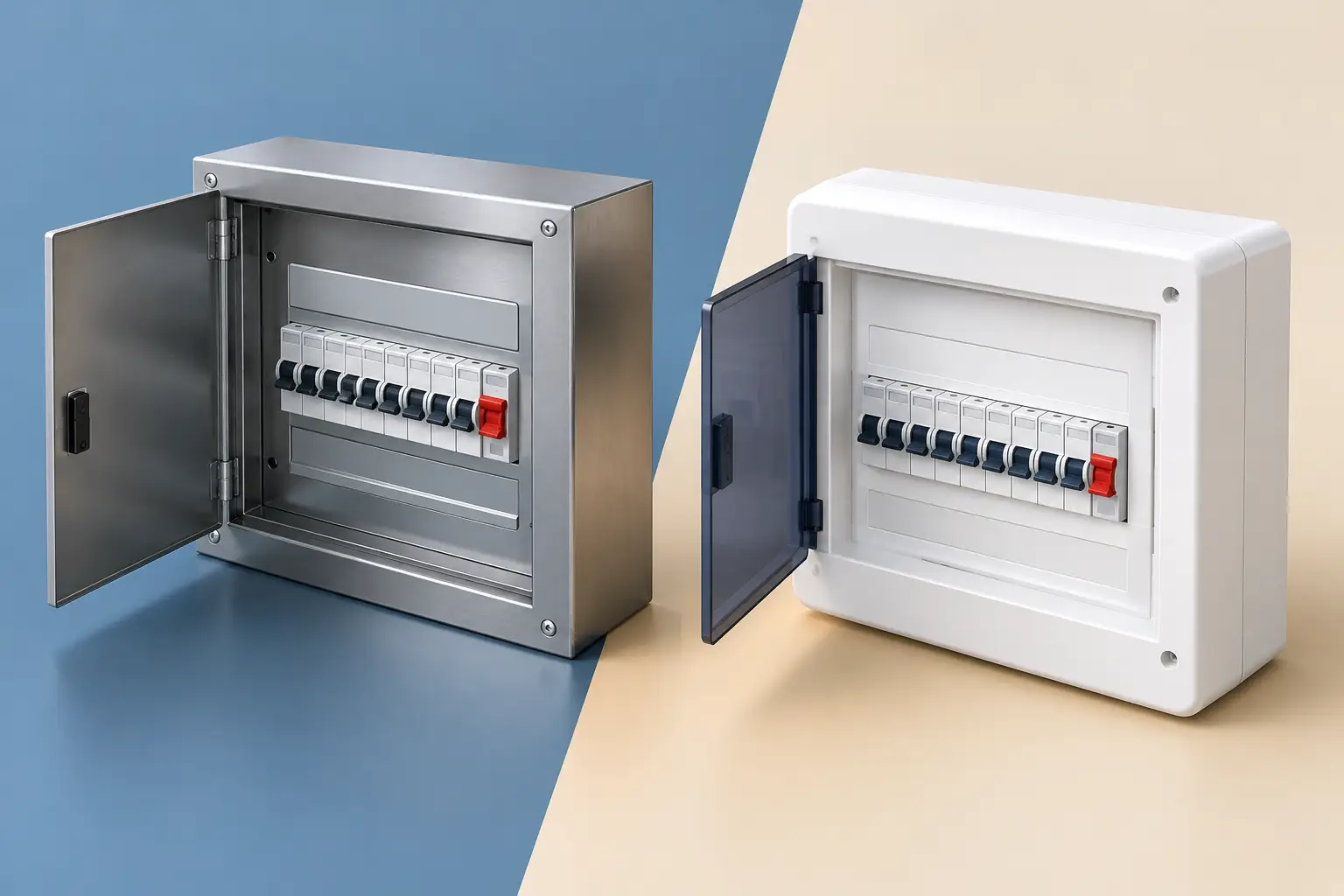
Metal versus plastic consumer units: understand UK safety rules, fire resistance, upgrade options and when a certified London electrician should inspect.
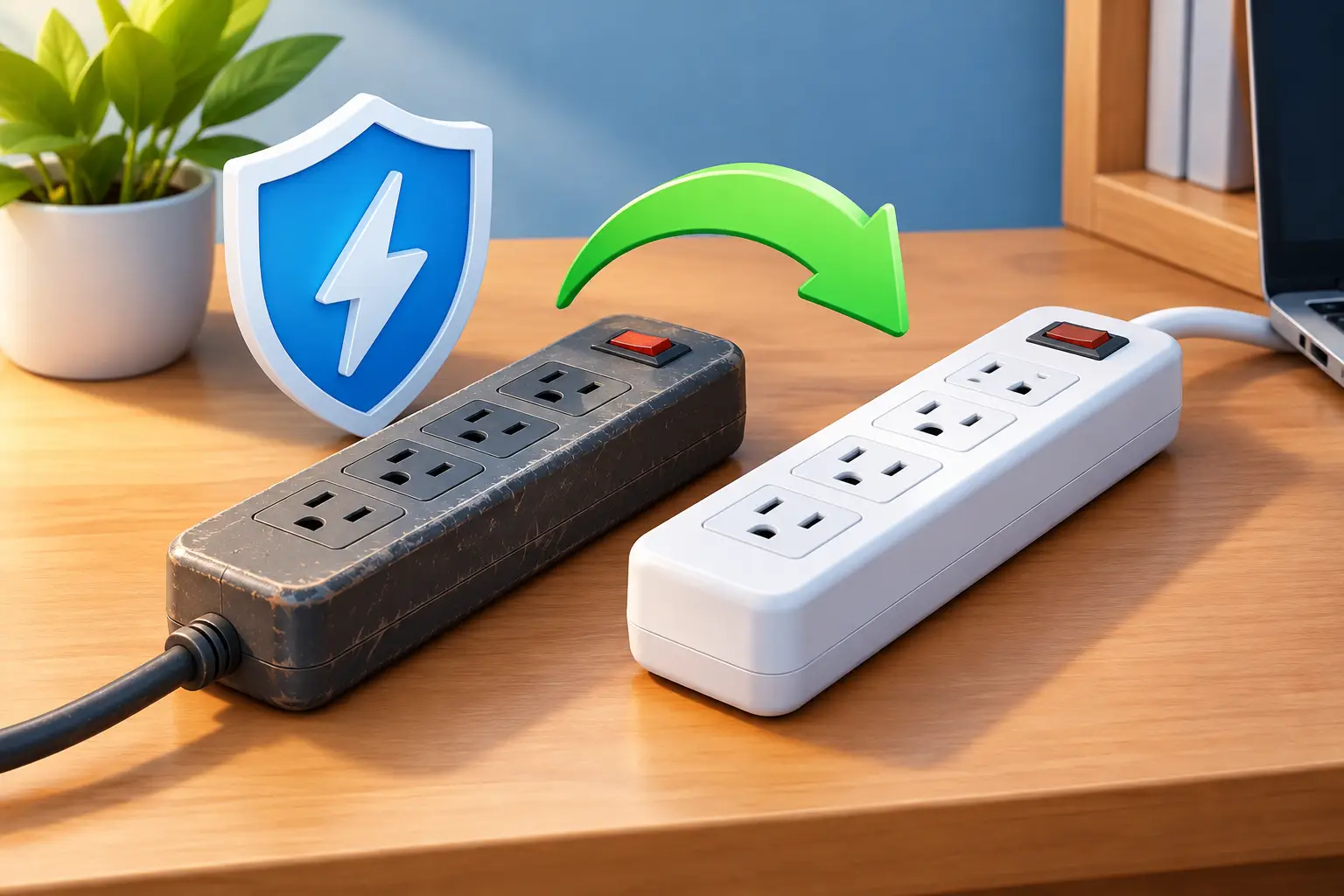
Learn what affects surge protector lifespan, how to spot a worn device and when London homes and businesses should arrange safe replacement safely today.