
October 22, 2026

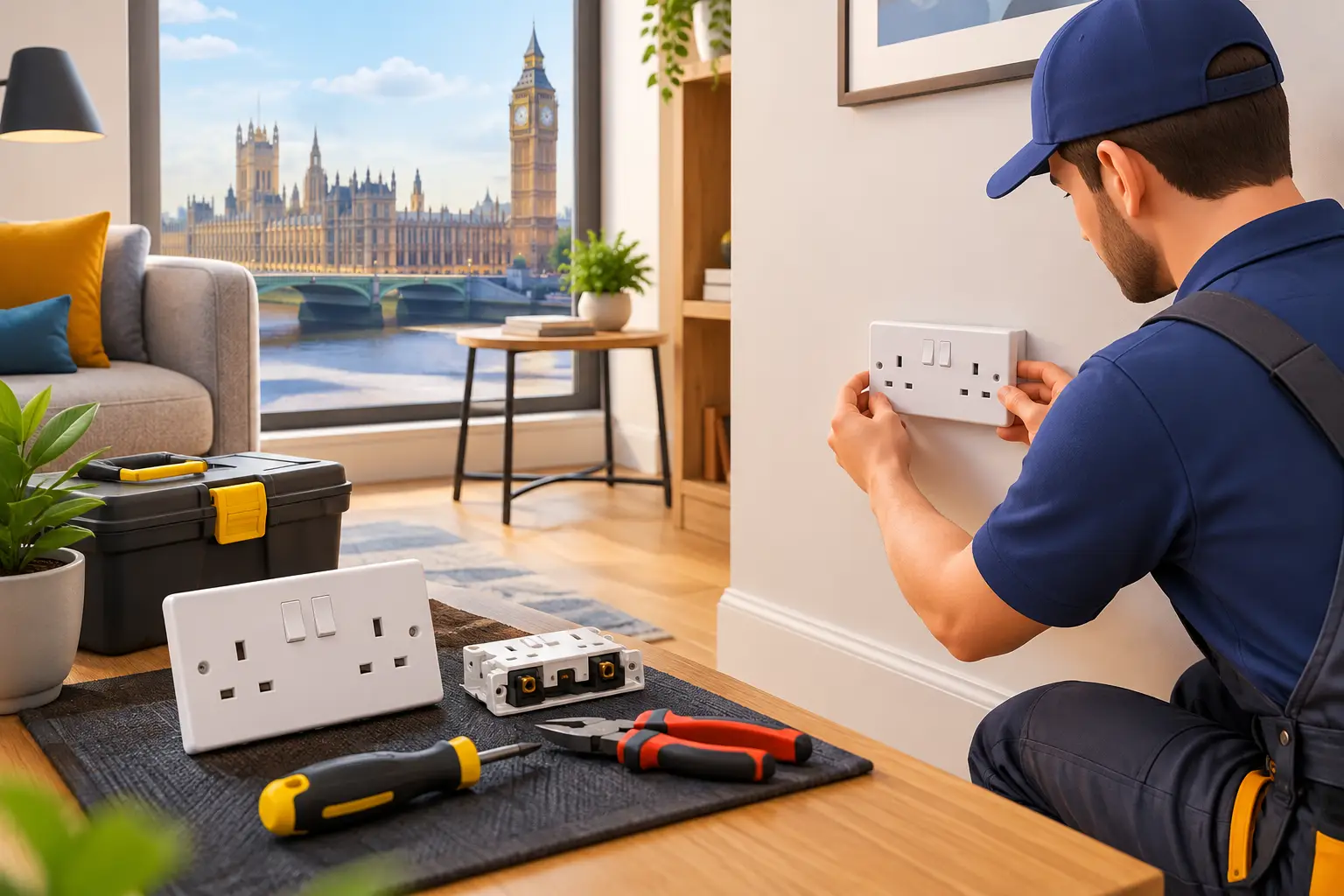
This socket installation cost guide explains London prices, safety checks and what a certified electrician includes in a clear quote for your property.







A burning smell from a socket at 11pm, a consumer unit that keeps tripping, or a complete loss of power in a busy premises cannot wait until normal working hours. 24-hour emergency electrical services give London homeowners, landlords and businesses access to qualified help when an electrical fault could put people, property or operations at risk.
The right response is not simply to restore power quickly. It is to identify the cause, make the installation safe and complete repairs to the required standard. That is particularly important in London properties, where older wiring, converted flats, shared supplies and high electrical demand can make faults more complex than they first appear.
Not every electrical issue requires an overnight call-out. A faulty light fitting, a damaged faceplate or an additional socket can often be booked as a planned repair. An emergency is different: it is a fault that presents an immediate safety risk, causes a major loss of essential power, or could worsen significantly if left unattended.
Warning signs include sparking outlets or switches, smoke, a burning or fish-like smell, visible scorch marks, electric shocks or tingling from an appliance, and a consumer unit that repeatedly trips. Water reaching electrical equipment is also urgent, whether it comes from a burst pipe, roof leak or flood.
A sudden power failure may be an emergency if it affects only your property and cannot be explained by a local network outage. For commercial sites, loss of lighting, refrigeration, security systems, essential machinery or fire safety equipment can require immediate action even where no obvious damage is visible.
If you suspect danger, switch off power at the main isolator only if it is safe to do so. Keep clear of damaged equipment, do not touch exposed cables or water near electrical fittings, and never attempt a repair yourself. If there is fire, smoke or an immediate threat to life, call the emergency services first.
A professional emergency response begins with clear information. Explain what has happened, when it started, whether there is a smell, smoke, water, sparking or loss of power, and which parts of the property are affected. This helps the electrician assess the likely risk before arriving and ensures the right testing equipment and materials are available.
On site, the electrician will first make the area safe. This could mean isolating a circuit, disconnecting a faulty appliance, securing damaged accessories or shutting down part of the installation. Safety comes before convenience. In some cases, it is safer to leave a non-essential circuit isolated until a permanent repair can be completed in daylight or when specialist parts are available.
The next stage is fault-finding. Certified electricians use inspection and electrical testing to trace issues such as a failed cable, overloaded circuit, moisture ingress, damaged connection, faulty consumer unit component or appliance fault. Simply resetting a tripped breaker without investigating why it operated can hide a serious problem.
Where a safe permanent repair is possible, it should be completed at the visit. This might involve replacing a damaged socket, repairing a connection, changing a faulty RCBO, restoring a lighting circuit or replacing failed accessories. If wider remedial work is needed, the immediate fault can be controlled and a clear recommendation provided for the next steps.
Older properties often have a mix of original wiring and later alterations. A loft conversion, kitchen extension or previous refurbishment may have increased demand on an installation that was not designed for modern appliances. Frequent tripping can result from overloaded circuits, deteriorated wiring, loose terminals or equipment drawing more current than it should.
In flats, the source of a fault is not always obvious. It may be within the individual flat, a communal supply, an external meter cupboard or an appliance connected to a particular circuit. Landlords also need to act promptly when a tenant reports electrical danger. Aside from protecting occupants, a fast, documented response supports ongoing responsibilities for safe rental accommodation.
Water damage deserves particular caution. Do not assume that a fitting is safe once it has dried on the outside. Moisture may remain inside accessories, ceiling voids, junction boxes or cable insulation. Proper inspection and testing are needed before affected circuits are returned to service.
For a business, an electrical fault can mean more than an inconvenience. A retail unit may lose lighting or payment systems. An office may lose servers, heating controls or essential communications. Restaurants, cafés and other hospitality venues can face stock losses if refrigeration fails. Property managers may need rapid help for communal lighting, entry systems, landlord supplies or tenant safety issues.
The correct approach depends on the type of premises and the fault. A full shutdown may be necessary where there is evidence of overheating or damage. In other situations, an electrician may safely isolate one affected circuit so the rest of the building can continue operating. This balance matters: maintaining business continuity is valuable, but it must never come at the expense of electrical safety or compliance.
Keeping accurate records after an emergency is also useful. Details of the fault, tests completed, temporary measures and repairs can help with maintenance planning, insurance queries and future compliance work. For managed properties, they also provide reassurance that concerns were handled responsibly.
When time is limited, it is tempting to choose the first available contractor. Availability matters, but competence matters just as much. An emergency electrician should be appropriately qualified, insured and experienced in diagnostic work, not only straightforward installation tasks.
Look for clear communication about attendance, likely call-out arrangements and the work required once the fault is identified. A dependable contractor will explain the condition of the installation in plain language, distinguish essential repairs from recommended improvements, and avoid making promises before proper testing has been carried out.
It is also worth asking whether the repair will be tested before the electrician leaves and whether certification is required for the work completed. For more extensive faults, such as damaged wiring, consumer unit defects or recurring circuit failures, further inspection may be the sensible route rather than repeated temporary repairs.
EDL Electrical provides responsive emergency support across London alongside planned repairs, inspections, rewiring and consumer unit upgrades. The aim is straightforward: make the fault safe, find the real cause and give customers a practical route to a reliable repair.
Some emergencies are unpredictable, especially those caused by water damage or sudden equipment failure. Many can be reduced through routine electrical maintenance. Consumer units should be suitable for the installation and include appropriate protective devices. Circuits should not be regularly overloaded with extension leads, multi-way adaptors or high-demand appliances.
Landlords and commercial operators should keep inspections, testing and remedial work up to date. Homeowners should take repeated tripping seriously rather than treating it as a nuisance. A circuit breaker that trips once after a known appliance fault may be straightforward. A circuit that continues to trip without a clear reason needs investigation.
Pay attention to small changes as well. Flickering lights, buzzing accessories, warm sockets, loose plugs and intermittent power are early warning signs worth addressing before they become urgent. Planned repairs are usually less disruptive, easier to schedule and often more cost-effective than an out-of-hours emergency visit.
Electrical faults are not always dramatic at first, but they should never be ignored when safety is in question. Acting early, isolating danger where safe to do so and calling a qualified electrician gives you the best chance of protecting people, property and the reliable power your home or business depends on.
This socket installation cost guide explains London prices, safety checks and what a certified electrician includes in a clear quote for your property.

Use this electrical load assessment guide to spot capacity risks, plan upgrades and keep London homes, rentals and workplaces safe and compliant now.

Choose a smart home installation electrician in London for safe, compliant lighting, security, heating and control systems that work reliably every day.