
October 30, 2026

Office power upgrades protect staff, support modern equipment and help London businesses plan for growth, compliance and fewer electrical disruptions.






A new induction hob, EV charger or workshop machine can expose a limitation that has gone unnoticed for years: the electrical supply to the building. The question of single phase versus three phase is not simply technical terminology. It affects how much power a property can use safely, which equipment can be installed and whether future upgrades are realistic without major supply work.
For London homeowners, landlords and business operators, the right answer depends on the property’s existing supply, the load required and how the electrical installation has been designed. A qualified electrician can assess the distribution side of the installation, but any change to the incoming supply also involves the local electricity network operator.
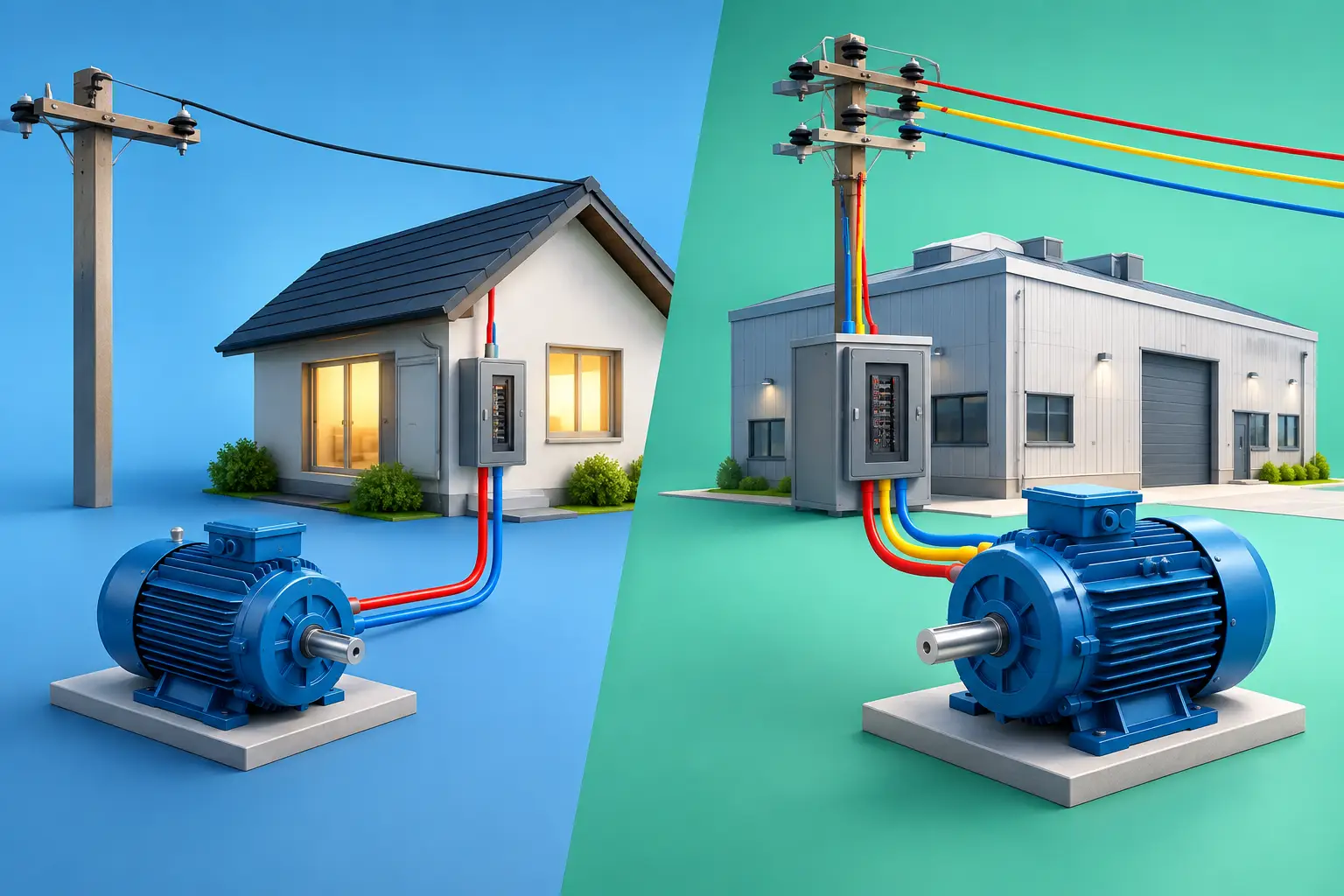
Most houses and flats in the UK have a single-phase supply. It delivers electricity through one live conductor and a neutral, with a nominal voltage of 230V. This is sufficient for ordinary domestic use, including lighting, sockets, ovens, showers, boilers, washing machines and many EV chargers.
A three-phase supply uses three live conductors, each operating at a different point in the electrical cycle. The voltage between a phase and neutral remains around 230V, while the voltage between phases is approximately 400V. This arrangement can deliver substantially more power and can spread electrical demand across three phases.
Three phase is common in offices, shops, warehouses, larger blocks, workshops and other commercial premises. It is also increasingly relevant in high-demand homes, particularly where there is a combination of electric heating, an EV charger, a large heat pump, solar battery storage, air conditioning or specialist equipment.
The key point is that three phase does not automatically make every appliance more powerful. It provides greater capacity and a suitable supply for equipment designed to use it. Standard 230V circuits can still be supplied from one phase and neutral within a three-phase installation.
The most noticeable difference is available capacity. A typical domestic single-phase supply may be rated at 60A, 80A or 100A, although the actual capacity must always be confirmed rather than assumed. A 100A single-phase supply has a theoretical maximum of around 23kW at 230V, but installations must be designed with diversity, cable ratings, protective devices and the condition of the supply in mind.
Three phase can accommodate much higher total demand because the load is shared across three live conductors. This is especially useful where several high-load systems may run at once. A commercial kitchen, for example, may operate cooking equipment, extraction, refrigeration and lighting during peak trading hours. A small single-phase supply may become restrictive very quickly.
Three-phase motors also tend to run more smoothly and efficiently than comparable single-phase motors. That matters for machinery such as pumps, compressors, lifts, ventilation plant and certain workshop equipment. Trying to run three-phase equipment from a single-phase supply is not usually a simple matter of fitting an adaptor. It may require different equipment, specialist conversion arrangements or a supply upgrade.
There are cost and complexity considerations. A three-phase upgrade can require network operator work, new metering arrangements, alterations to the consumer unit or distribution board, upgraded tails and careful reconfiguration of circuits. It can be an excellent long-term investment, but it is not automatically the sensible choice for a typical home with modest demand.
For many homes, single phase remains entirely suitable. If the property has standard domestic appliances, conventional heating arrangements and no unusually high simultaneous load, a well-designed single-phase installation can provide reliable service for many years.
An EV charger does not, by itself, mean that a three-phase supply is needed. Many domestic chargers are designed for single-phase use, and smart charging can limit demand when other appliances are operating. Likewise, an induction hob can often be installed on a single-phase supply when the circuit, consumer unit and incoming supply have been properly assessed.
The issue arises when several high-demand systems are expected to operate together. A large electric shower, heat pump, induction cooking, EV charging and battery storage may create a level of demand that needs closer design work. Load management may be enough. In other cases, three phase may provide a more practical route for future expansion.
Three phase is worth considering where demand is high, where specialist equipment requires it or where a property is being substantially redeveloped. It can be particularly useful for commercial units, mixed-use buildings, large homes and landlord-managed properties with central plant or shared services.
Examples include premises with three-phase air conditioning, commercial catering equipment, lifts, vehicle charging for multiple users, machinery or large pumps. It may also suit a major refurbishment where walls and ceilings are already open, making it more cost-effective to upgrade distribution equipment and install new circuits at the same time.
It is not only about current usage. A business planning additional equipment or a homeowner intending to electrify heating and transport should consider likely demand over the next five to ten years. Building in sensible capacity during a planned project is usually less disruptive than revisiting the supply after repeated tripping, overheating or failed installation attempts.
The consumer unit alone is not a reliable answer. A larger board, a modern meter or multiple circuits do not necessarily indicate a three-phase supply. The incoming service head, meter arrangement and main switch configuration provide better clues, but these components should not be opened, tampered with or have seals removed.
A three-phase installation will commonly have three main supply fuses or a three-pole main switch. However, only a competent electrician and, where necessary, the network operator can confirm the supply rating and what upgrade options are available.
An electrical survey should also consider the condition of the existing installation. Older consumer units, undersized meter tails, damaged cables or inadequate earthing may need attention before additional load is added. For landlords and commercial operators, this should sit alongside the findings of an up-to-date Electrical Installation Condition Report, not replace it.
Upgrading from single phase to three phase is a coordinated project. The network operator is responsible for the incoming network connection and may need to confirm whether suitable capacity is available in the street or building. In some London locations, this can involve additional excavation, cable work or permissions, particularly in blocks of flats and older properties.
Once the supply arrangement is agreed, a qualified electrician designs the installation beyond the meter. This may involve fitting a suitable three-phase consumer unit or distribution board, balancing circuits across phases, upgrading protective devices and ensuring that earthing and bonding meet current requirements.
Load balancing is essential. If almost all demand is placed on one phase, the benefits of three phase are reduced and components may be overloaded. A competent design accounts for the expected use of circuits rather than dividing them randomly.
Costs and timescales vary widely. The network operator’s work, access requirements, meter changes and the extent of internal electrical alterations all affect the final price. A site-specific assessment is the only dependable basis for deciding whether an upgrade is proportionate.
Electrical capacity should never be judged by whether the system appears to be working on a normal day. Warning signs include recurring tripping when several appliances are used, warm accessories or consumer unit covers, burning smells, flickering lights, damaged cables and circuits that cannot support planned equipment.
If there is smoke, sparking, a burning smell or loss of power affecting critical systems, switch off power only if it is safe to do so and arrange urgent help. Do not repeatedly reset a breaker without identifying the cause. Repeated tripping is a protective device responding to a fault, overload or equipment problem.
For planned work, the installation should be designed and tested to the relevant standards, with appropriate certification provided when the work is complete. This protects occupants, supports landlord responsibilities and gives future buyers or tenants confidence in the electrical installation.
Single phase is often the sensible, cost-effective option for ordinary domestic demand. Three phase is valuable where capacity, equipment type or future expansion justifies the added work. The right choice is based on measured demand and a proper inspection, not on assumptions about what a larger property ought to have.
EDL Electrical can assess your existing installation, identify whether your planned equipment is suitable for the available supply and carry out the electrical work needed around a network upgrade. A clear assessment before purchase or installation can prevent expensive delays and help keep your property safe, compliant and ready for the way you plan to use it.
Office power upgrades protect staff, support modern equipment and help London businesses plan for growth, compliance and fewer electrical disruptions.

Learn how to plan kitchen electrics safely, including appliance circuits, socket positions, lighting and ventilation for a practical London kitchen fit.
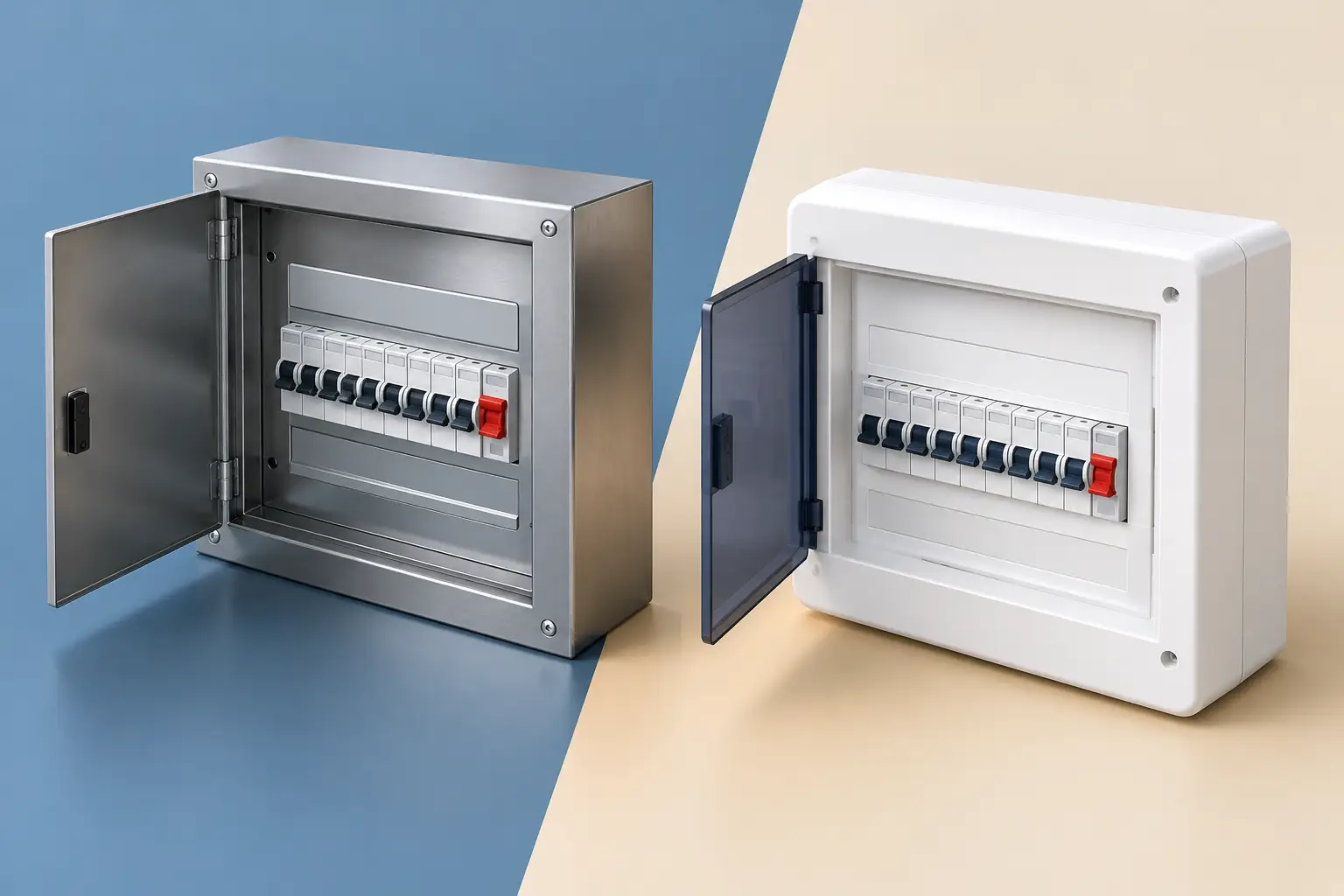
Metal versus plastic consumer units: understand UK safety rules, fire resistance, upgrade options and when a certified London electrician should inspect.