October 24, 2026

Learn what affects surge protector lifespan, how to spot a worn device and when London homes and businesses should arrange safe replacement safely today.






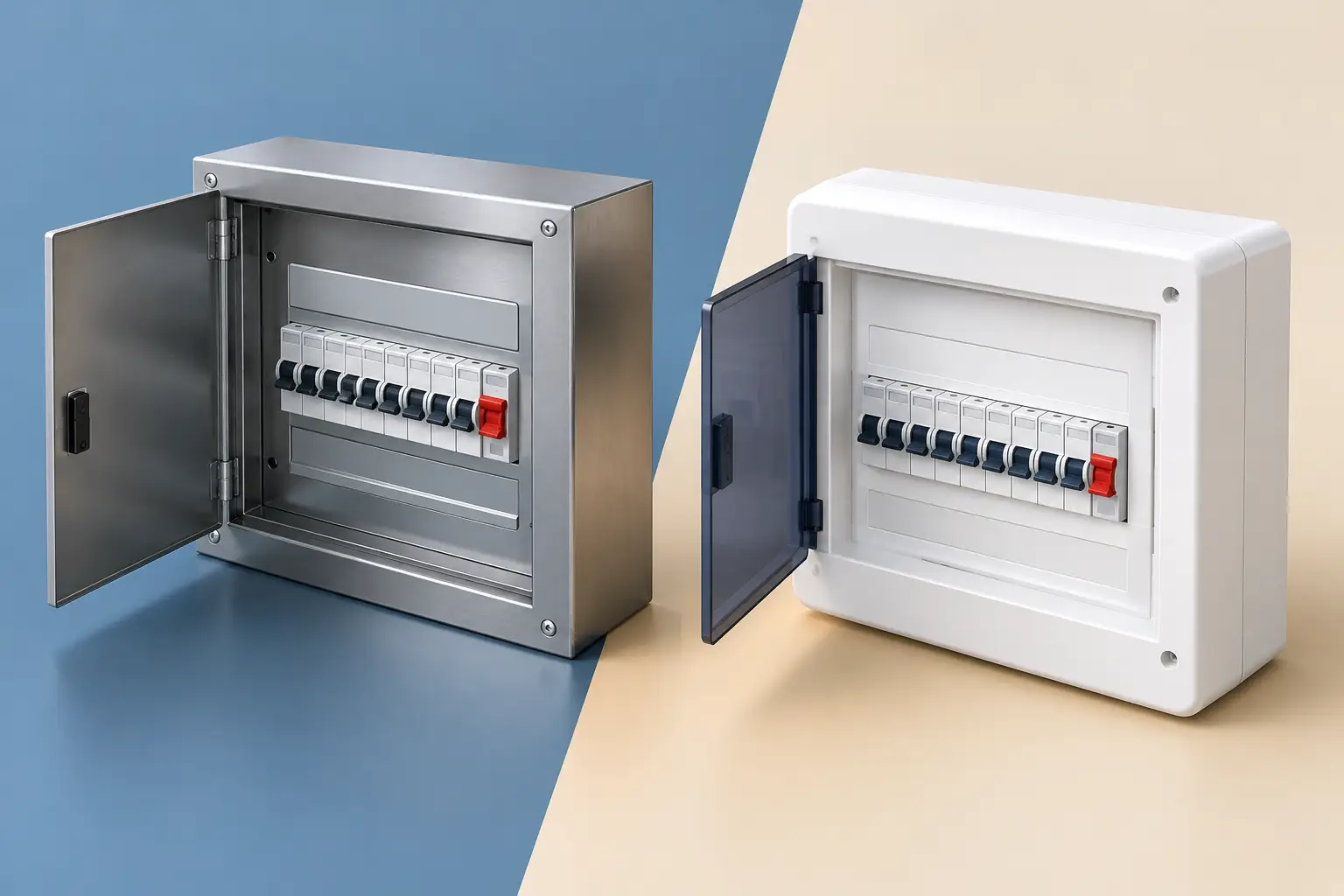
A consumer unit is often out of sight in a hallway cupboard, under the stairs or in a communal electrical intake area. Yet its enclosure can make a meaningful difference if an electrical connection overheats or a fault develops. When comparing metal versus plastic consumer units, the right answer is not simply which looks newer. It depends on the property, the condition of the existing installation and the requirements for any new work.
For most new domestic consumer unit installations in the UK, a metal enclosure is now the expected choice. The reason is fire containment. However, an older plastic unit is not automatically dangerous just because it is plastic, and replacing it should be based on a proper inspection rather than a sales-led decision.
The consumer unit, often called a fuse board, distributes electricity around a property and houses protective devices such as circuit breakers, RCDs and RCBOs. These devices are designed to disconnect the supply when they detect an overload, short circuit or earth leakage fault. The enclosure surrounding them also has a safety role.
A metal consumer unit is non-combustible. If a loose connection, damaged accessory or electrical fault generates excessive heat inside the unit, the metal case is less likely to contribute to the spread of fire. It also provides a more secure enclosure for the protective devices and cable entries when correctly installed.
Plastic consumer units were widely installed in homes for many years. They were common, practical and acceptable under earlier editions of the wiring regulations. Their limitation is that plastic is combustible. In the rare event of sustained overheating or arcing within the board, the enclosure may burn or allow a fire to develop more quickly.
This distinction matters most where a consumer unit is fitted on an escape route, such as a hallway, entrance area or stairwell. In a fire, protecting the route people use to leave the property is particularly important.
It is possible for a metal consumer unit to be unsafe if it has been poorly fitted, incorrectly earthed, overloaded or altered without care. Missing blanking plates, damaged cable entries, loose terminals and incompatible protective devices are problems regardless of the enclosure material.
Equally, a sound older plastic consumer unit may continue to operate safely where it is undamaged, properly maintained and suitable for the installation. Material is one part of the assessment, not the whole assessment. The condition of the wiring, earthing and bonding, circuit protection and signs of heat damage all matter.
Since January 2016, BS 7671 has required consumer units and similar switchgear assemblies in domestic premises to have a non-combustible enclosure, or to be installed within a cabinet or enclosure made from non-combustible material. In straightforward domestic replacements, this normally means fitting a metal consumer unit.
The current requirement applies to new installations and replacement work. It does not mean every plastic consumer unit installed before the rule changed must be removed immediately. Electrical installations are generally assessed against the standards that applied when they were installed, while also considering whether their present condition creates danger.
That said, regulations are only one reason to consider an upgrade. An older board may no longer provide the protection needed for modern use. Homes now carry higher electrical demand from electric showers, induction hobs, home offices, heat pumps, electric vehicle charging and additional kitchen equipment. Many landlords and property managers also need clearer evidence that an installation has been inspected and maintained appropriately.
Replacing a consumer unit is significant electrical work. It should be designed, installed and tested by a competent electrician, with the relevant certification and Building Regulations process completed where required.
An existing plastic unit does not need replacing solely because a homeowner has heard that metal is now preferred. A qualified electrician can assess its condition during an Electrical Installation Condition Report, or when attending for another electrical project.
If the unit is secure, shows no signs of overheating, has suitable circuit protection and the installation tests satisfactorily, an electrician may advise that it can remain in service. This can be a sensible outcome in a well-maintained flat or house where no major alterations are planned.
The decision changes when there are defects, outdated protection or increased demand. A consumer unit that was adequate for a small home decades ago may not be appropriate after a loft conversion, rear extension or new high-load appliance installation.
Do not remove the cover or investigate internal connections yourself. If you notice any of the following, arrange a prompt inspection by a qualified electrician:
A burning smell, smoke, visible sparking or a consumer unit that is hot to touch should be treated as an urgent electrical fault. Keep clear of the equipment and seek emergency electrical support. Do not attempt to reset breakers repeatedly, as repeated tripping can indicate an unresolved problem on the circuit.
For a typical home, a quality metal consumer unit with individual RCBO protection is often a practical specification. RCBOs can limit the loss of power to the affected circuit rather than shutting down several circuits at once. This can be especially useful in occupied rental properties, family homes and small offices where loss of lighting, refrigeration or internet access causes real disruption.
Surge protection should also be considered as part of the design. Modern homes and businesses rely on sensitive equipment, from boilers and appliances to routers, security systems and smart controls. The electrician should assess the installation and select protective devices appropriate to the property and the applicable regulations.
For landlords, the question is often about more than the board itself. A consumer unit upgrade may be appropriate where an EICR identifies concerns, where the existing protection is inadequate, or where renovation work has altered the electrical installation. A clearly labelled modern unit and up-to-date electrical documentation can also make future maintenance faster and reduce uncertainty between tenancies.
In blocks of flats and mixed-use buildings, responsibility can be split between individual dwellings and communal areas. An electrician should establish which supply and distribution equipment belongs to whom before recommending work. This avoids unnecessary replacement and ensures essential shared systems are not overlooked.
Commercial electrical systems need an assessment based on their actual use, load and fire risk. A small retail unit, office, restaurant or workshop may have more complex distribution requirements than a home. The right enclosure, protective devices and circuit arrangement should be selected for the environment, rather than treating metal versus plastic as the only decision.
A proper upgrade starts with checking the condition of the existing installation. Before connecting a new consumer unit, the electrician should test the circuits, identify faults and confirm that earthing and bonding arrangements are satisfactory. Simply transferring old circuits into a new metal enclosure without testing can leave underlying defects unresolved.
The finished installation should be clearly labelled, securely enclosed and tested. You should receive electrical installation certification confirming the work carried out and the test results. This paperwork is valuable for homeowners, landlords, insurers and anyone selling or managing the property.
A well-chosen metal consumer unit gives your electrical system a safer foundation, but its value comes from competent design, careful installation and thorough testing. If you are unsure about an older plastic board, arrange a professional inspection before a minor concern becomes an avoidable electrical emergency.
Learn what affects surge protector lifespan, how to spot a worn device and when London homes and businesses should arrange safe replacement safely today.
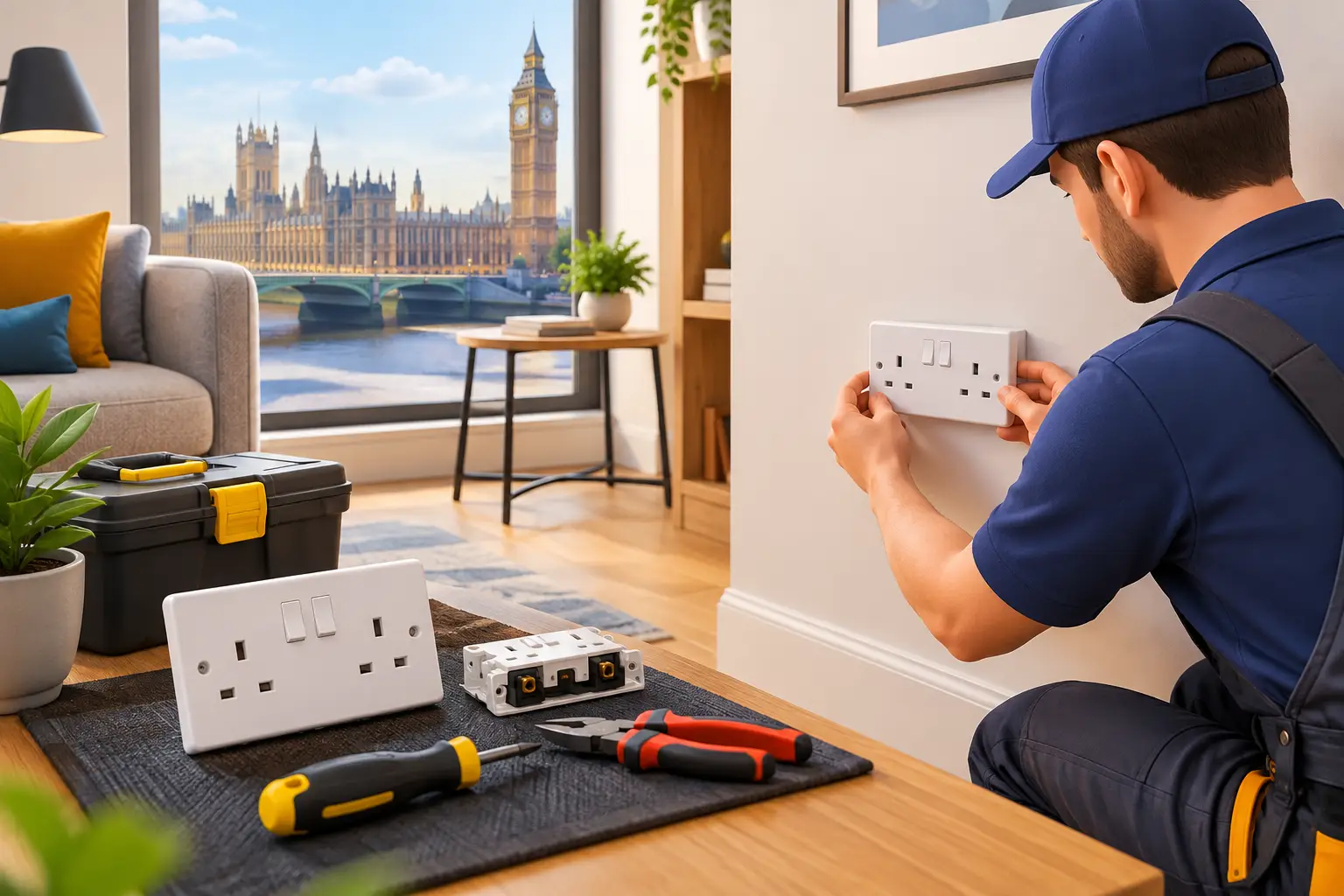
This socket installation cost guide explains London prices, safety checks and what a certified electrician includes in a clear quote for your property.

Use this electrical load assessment guide to spot capacity risks, plan upgrades and keep London homes, rentals and workplaces safe and compliant now.