November 7, 2026

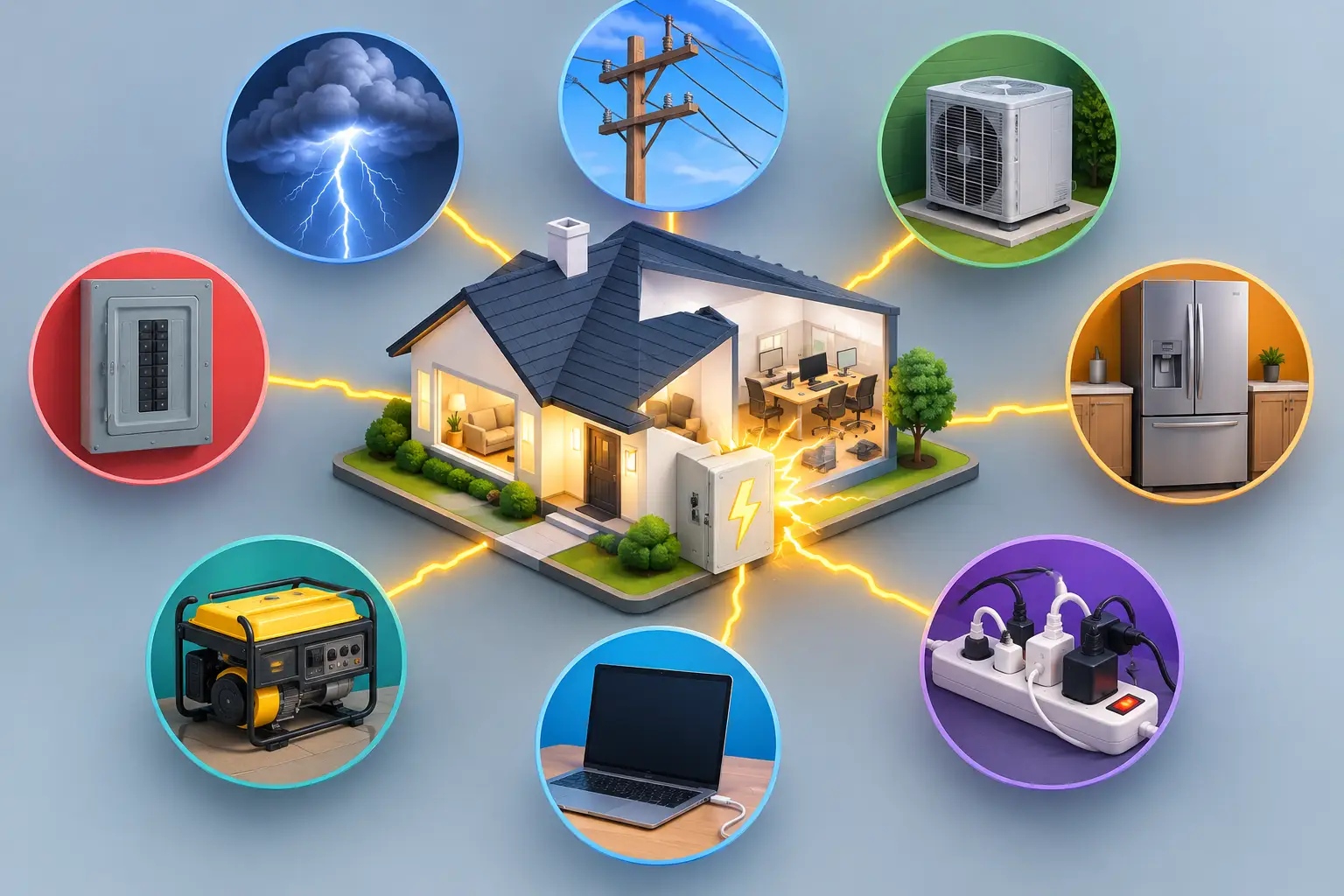
Learn the most common power surge causes in London properties, the warning signs to act on, and how certified protection keeps people and equipment...






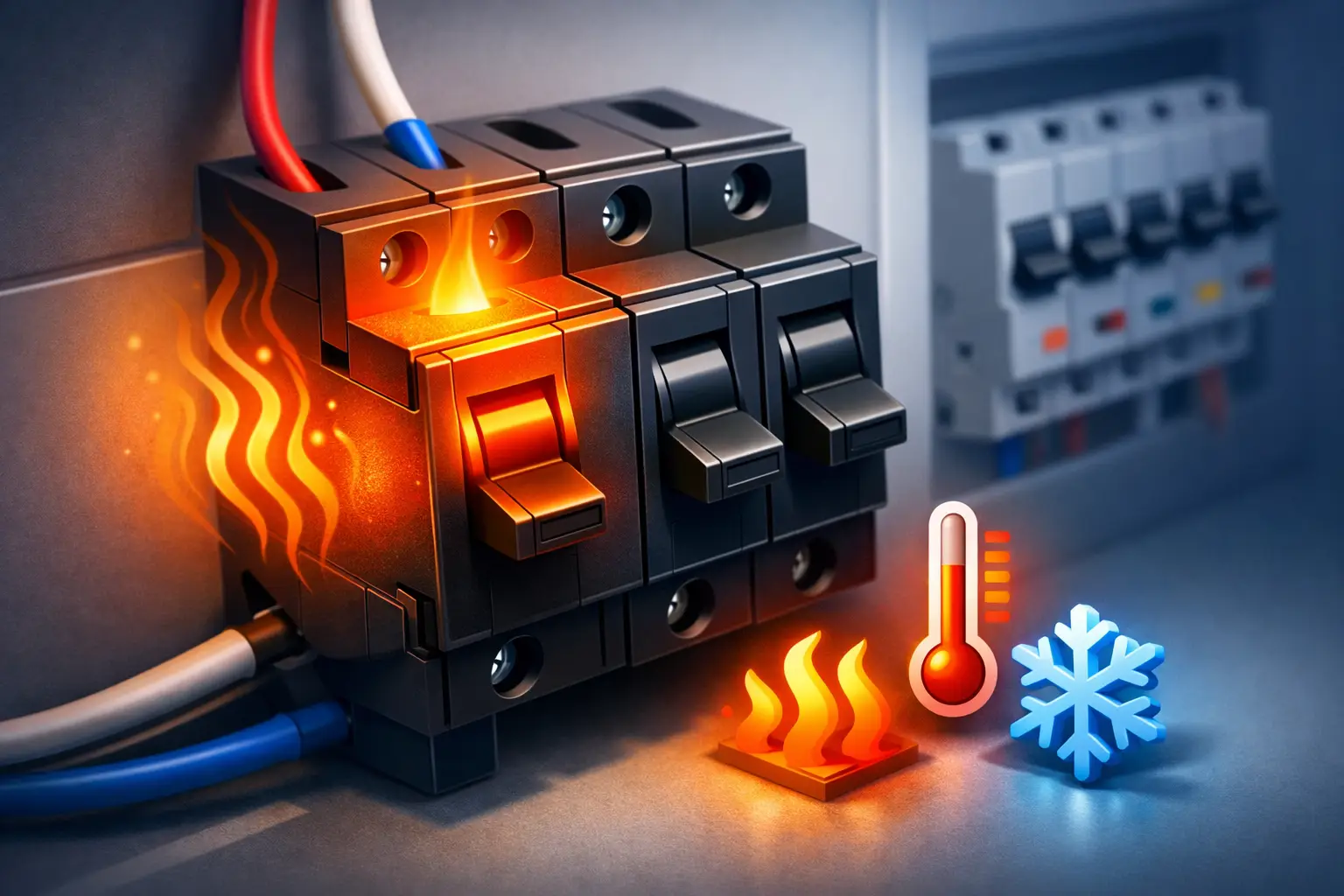
A warm circuit breaker can be easy to dismiss, especially when everything in the property still has power. But if you are asking, why are circuit breakers warm, it is worth taking seriously. Some warmth can be normal when a circuit is carrying a sustained load. Excessive heat, however, may point to an overloaded circuit, a loose connection, damaged wiring or a failing breaker inside your consumer unit.
The difference matters because heat is often an early warning sign. Addressing it promptly can prevent repeated tripping, damage to the consumer unit and, in serious cases, electrical arcing or fire.
Circuit breakers are designed to carry electrical current and to disconnect the supply when a fault or overload occurs. As current passes through the breaker, a small amount of heat is generated. A breaker supplying a busy circuit, such as a kitchen ring final circuit, electric heating, shower or commercial equipment, may therefore feel mildly warm during use.
What is not normal is a breaker that feels noticeably hot, becomes hotter over time, or is hot while little or no equipment is in use. You should never rely on touching electrical equipment as a test, particularly if the consumer unit is damaged, damp, making noises or showing signs of overheating. Visual checks and professional testing are safer and more reliable.
The key question is not simply whether the breaker is warm. It is whether the temperature is proportionate to the electrical load and whether there are any other warning signs.
Overloading is one of the most common reasons for heat at a breaker. This does not always mean the circuit trips immediately. A circuit can operate close to its limit for long periods, creating sustained heat in the breaker and connections.
In a home, this often happens where high-demand appliances share a circuit. Kettles, microwaves, air fryers, washing machines, tumble dryers and portable heaters can quickly add up. In commercial premises, the cause may be plug-in heaters, catering equipment, IT equipment, display lighting or machinery added as the business has grown.
Older properties are particularly vulnerable where the electrical installation was not designed around modern demand. Extension leads and multi-way adaptors can hide how much load is being drawn from a single circuit.
A loose terminal at the breaker, neutral bar or cable connection can create resistance. Resistance generates heat. Unlike general warmth caused by a heavily used circuit, this heat may be concentrated around one breaker or one connection and can worsen over time.
Loose connections can result from previous poor workmanship, vibration, thermal expansion and contraction, or deterioration within an older consumer unit. They require prompt attention from a qualified electrician. Tightening a terminal is not a suitable DIY job: the consumer unit contains live components even when individual breakers are switched off.
Circuit breakers have mechanical and electrical components that can wear or fail. A damaged or ageing breaker may develop higher internal resistance, causing it to run hotter than expected. It may also trip without an obvious reason, fail to reset properly or feel loose in its mounting.
Replacing a faulty breaker is not as simple as fitting one that looks similar. The replacement must be compatible with the consumer unit, correctly rated for the circuit and installed in line with current safety requirements. An electrician will also establish whether the breaker is the cause of the problem or reacting to a fault elsewhere on the circuit.
Damaged cables, deteriorated insulation, poor joints and faults in connected equipment can all affect how a circuit performs. A breaker may become warm because it is working under abnormal conditions, even before it trips.
This is why repeatedly resetting a tripping breaker is never a fix. If it trips again, it is doing its job by cutting power to protect the installation. The cause needs to be identified through proper inspection and testing.
Properties change. A loft conversion, kitchen refurbishment, office reconfiguration or new electric heating can add substantial load to an installation that was already close to capacity. If circuits have been extended without correct design, testing and certification, breakers and cables may be placed under more demand than intended.
This is also a concern in rental and commercial properties where several occupants may use high-load appliances. Landlords and property managers should treat unusual heat at a consumer unit as a maintenance priority, not wait for a tenant to report a power failure.
A mildly warm breaker with no other symptoms may still need checking, but the following signs call for a quicker response:
If you smell burning, see smoke or suspect active overheating, do not remove the consumer unit cover or investigate inside it. If it is safe to do so, switch off the main switch to isolate the supply. Leave the area and contact an emergency electrician. If there is a fire or immediate danger, call 999.
Start by reducing demand on the affected circuit. Unplug non-essential appliances, particularly portable heaters, cooking appliances and extension leads. If you can identify a circuit that is tripping or supplying faulty equipment, switch it off at the consumer unit and leave it off until it has been checked.
Do not keep resetting a breaker in the hope that it will settle. Do not replace it yourself, remove the consumer unit cover, or tighten wiring terminals. These actions can expose you to live parts and can turn a contained fault into a more serious one.
It is useful to make a note of what was running when you noticed the warmth, whether the breaker has tripped, and whether the issue occurs at certain times. For a business, record any equipment recently installed or moved. This information helps an electrician test the circuit efficiently and identify whether the issue is load-related, connection-related or equipment-related.
A qualified electrician will inspect the consumer unit for signs of heat damage, loose connections, unsuitable components and evidence of previous alterations. They can test the circuit load, cable condition, earth fault protection and the performance of the protective device.
Thermal imaging may be used where appropriate to identify abnormal hot spots without disturbing live components. The electrician may then recommend anything from redistributing loads and repairing a connection to replacing a breaker, upgrading the consumer unit or carrying out remedial work on the circuit.
The right repair depends on the findings. A new breaker will not solve an overloaded circuit, and reducing appliance use will not repair a loose terminal. Proper diagnosis is what protects the property for the long term.
Arrange an inspection promptly if one breaker consistently runs warmer than neighbouring breakers, if the consumer unit is older, or if the property has had electrical work, a refurbishment or a recent increase in power demand. For landlords, this should sit alongside regular electrical safety checks and EICR requirements. For businesses, it is a sensible part of planned maintenance, particularly where continuity of power matters.
A warm circuit breaker is not always an emergency, but it is never a symptom to ignore. Early assessment gives you the best chance of resolving a small electrical issue before it becomes a disruptive and costly fault. If you are concerned about heat, tripping or damage at your consumer unit, EDL Electrical can provide a prompt, professional inspection across London and advise on the safest next step.
Learn the most common power surge causes in London properties, the warning signs to act on, and how certified protection keeps people and equipment...
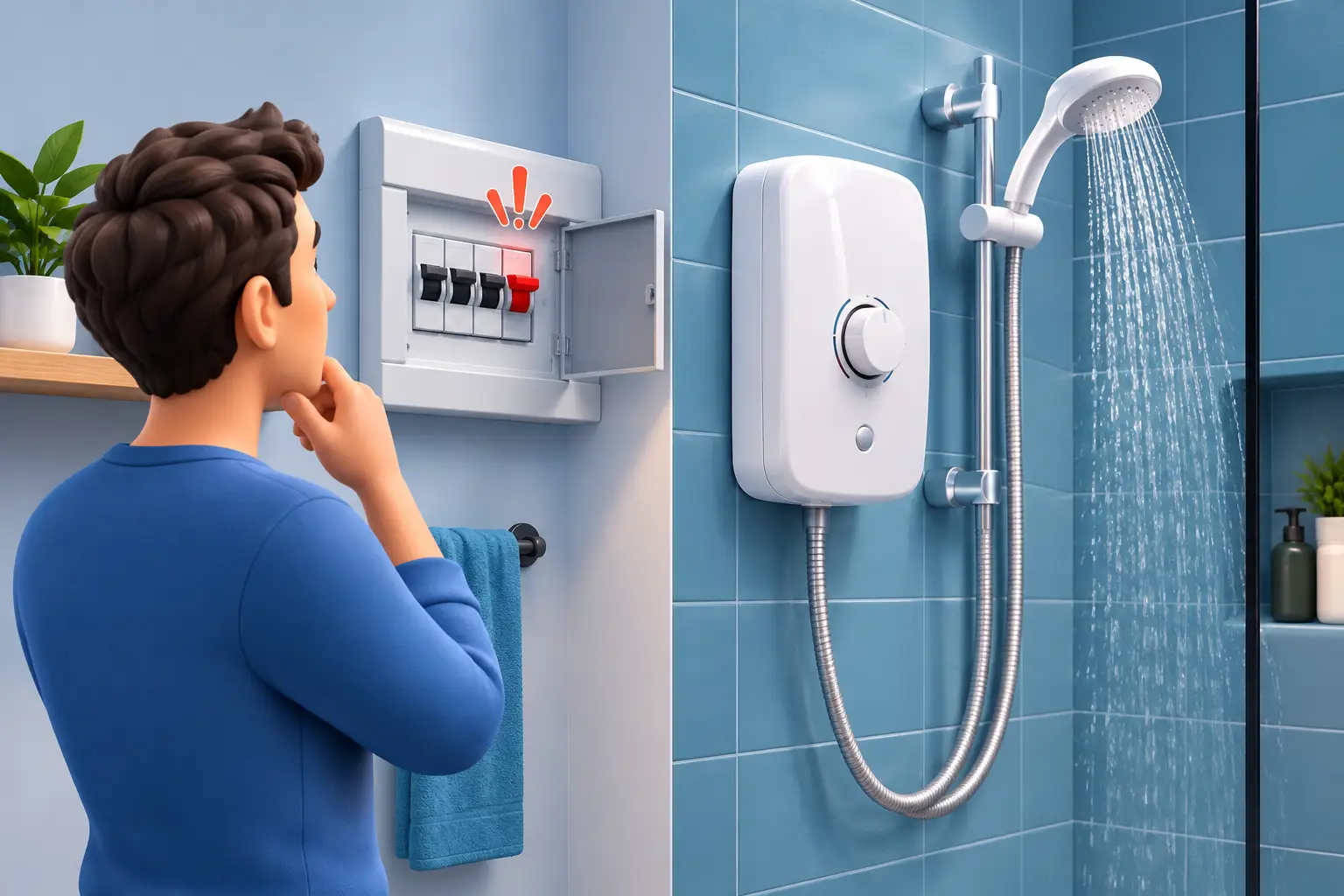
Electric shower keeps tripping? Learn the likely causes, what you can safely check and when to call a qualified London electrician for a lasting...

Why are sockets sparking suddenly? Learn the likely causes, what to switch off immediately and when to call a certified London electrician for help...