November 7, 2026

Learn the most common power surge causes in London properties, the warning signs to act on, and how certified protection keeps people and equipment...






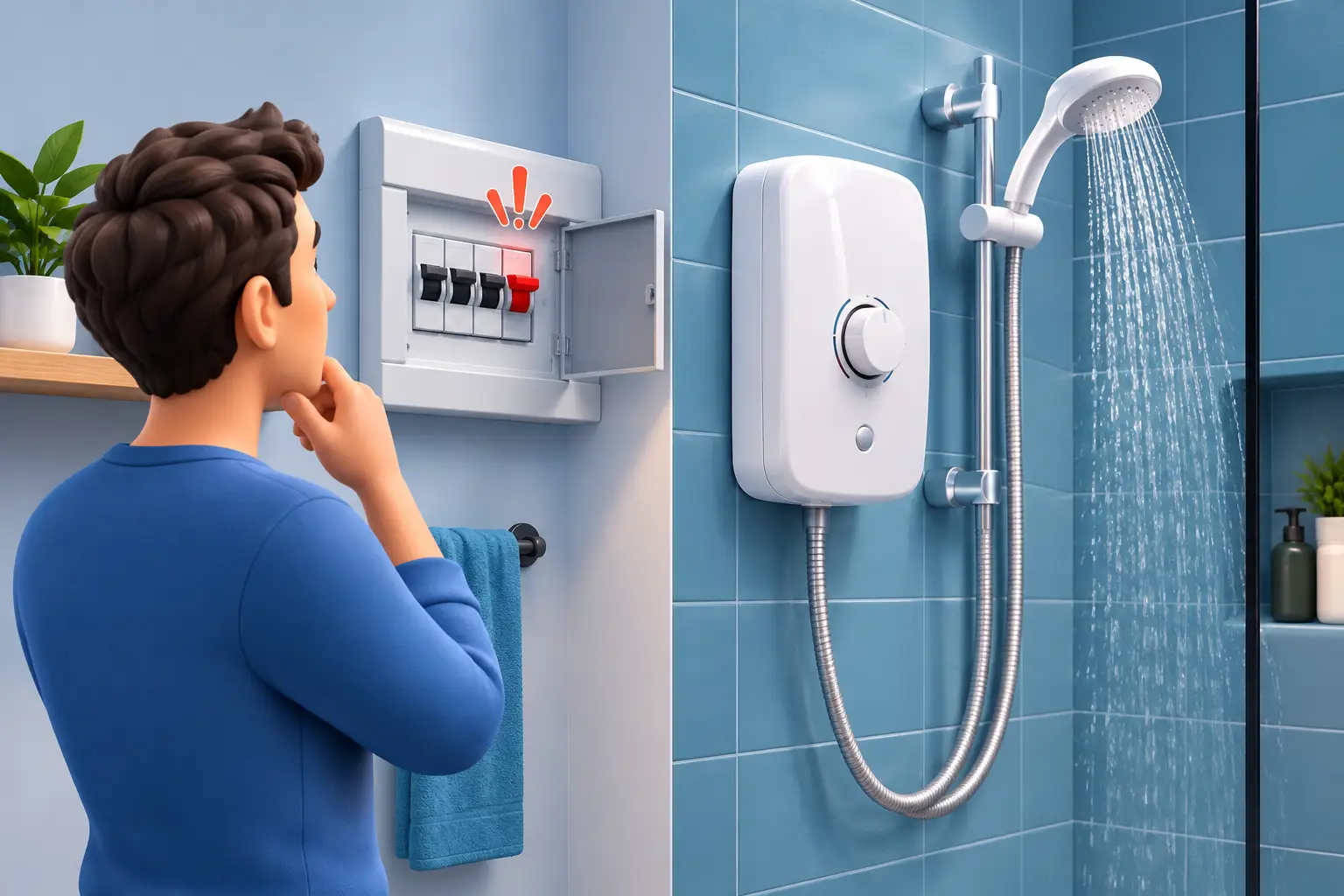
A shower that cuts out and trips the electrics is more than an inconvenient start to the day. If your electric shower keeps tripping, it may be responding to a fault that needs prompt attention – particularly where water, high electrical loads and older wiring are involved. Avoid repeatedly resetting the circuit breaker to get another shower. The trip is a safety device doing its job.
An electric shower has its own high-demand circuit in most properties, often protected by an RCD or RCBO at the consumer unit. These devices disconnect the supply when they detect a potential overload, earth fault or current leakage. Finding the source properly protects the people using the property and helps prevent further damage to the shower, cable or consumer unit.
The first clue is which protective device has operated. A circuit breaker usually trips when there is too much current flowing, often because of an overload or short circuit. An RCD or RCBO is more sensitive to electricity escaping from the intended circuit path, which can happen with damaged insulation, moisture ingress or a faulty appliance component.
Electric showers use a substantial amount of power. A typical unit may be rated between 8.5kW and 10.5kW, so even a small defect can quickly become apparent when the shower is running. The fault may be inside the unit, in the isolator switch, along the shower cable or at the consumer unit. It is not always the shower itself.
If the power cuts out only when the shower is switched on, that narrows the investigation. If it trips even with the shower switched off, or other circuits are affected too, the issue may be more widespread and should be assessed by a qualified electrician without delay.
The heating element is one of the most common causes. Over time, limescale, wear and heat cycling can damage the element or its insulation. Once this happens, current can leak to earth when the element heats up, causing an RCD or RCBO to trip.
This fault may be intermittent at first. The shower may run for a few minutes before cutting out, then trip sooner on later use. That pattern should not be ignored. Continued use can worsen the fault and may lead to damage inside the shower unit.
Electric showers are designed for a bathroom environment, but they are not immune to leaks. A failed seal, loose cover, damaged pipe connection or internal component fault can allow water into areas that should remain dry. Condensation can also affect ageing units.
Do not remove the shower cover yourself to inspect it. Internal terminals carry high current, and dangerous parts may remain live depending on how the shower is connected. Turn the shower off at its local isolator if safe to do so, leave it unused and arrange an inspection.
High-current circuits depend on secure terminations. A loose connection at the shower, pull-cord switch, wall isolator or consumer unit can generate heat and damage cable insulation. You may notice a burning smell, discolouration around a switch, a crackling sound or an isolator that feels unusually warm.
Treat these warning signs as urgent. Switch off the shower circuit if it can be done safely and do not use the shower again until an electrician has checked it. A loose electrical connection can become a serious fire risk.
An electric shower should normally be supplied by a dedicated circuit with correctly sized cable and appropriate protective devices. Problems can arise after a shower upgrade, especially if a higher-kilowatt model has replaced an older, lower-rated unit without checking the existing installation.
For example, a 10.5kW shower places a greater demand on the cable and protective device than an 8.5kW model. The correct arrangement depends on cable route, length, installation method, protective device type and the condition of the existing circuit. This is not something to judge by appearance alone.
In older London properties, previous alterations can also create uncertainty. A shower circuit may have been extended, poorly repaired or connected to a consumer unit that no longer meets the needs of the property. Testing is the only reliable way to establish whether the circuit is suitable.
Protective devices can fail or become unreliable, although they are less often the root cause than the shower or its wiring. A qualified electrician can test the RCD or RCBO, confirm that it trips within the required parameters and identify whether nuisance tripping is masking a genuine fault.
If several circuits trip together, lights flicker, or the consumer unit shows signs of heat damage, the issue requires more urgent investigation. It may be appropriate to isolate the affected circuit until it has been made safe.
There are a few observations that can help explain the fault, but homeowners and property managers should not attempt electrical repairs. With dry hands and without opening any electrical equipment, check whether the trip occurs immediately when the shower starts, only when hot water is selected, or after several minutes of use.
Note whether the shower has recently been replaced, whether water pressure has changed, and whether there are any visible leaks around the unit or isolator. It is also useful to see whether other appliances or circuits are affected. This information helps an electrician diagnose the problem efficiently.
You can reset a tripped protective device once after switching the shower off. If it holds, do not assume the fault has disappeared. If it trips again when the shower is used, leave the circuit off. Repeatedly resetting an RCD or circuit breaker can expose the installation to further risk and makes a developing fault harder to ignore.
Never bypass an RCD, fit a larger breaker, replace a fuse with a higher rating or continue using a shower with visible damage. These actions can remove the protection designed to prevent shock, overheating and fire.
A prompt callout is sensible whenever a shower trips repeatedly. It becomes urgent if you smell burning, see smoke or scorching, hear buzzing, receive an electric shock or tingling sensation, or find water leaking near electrical equipment. Turn off the shower at the isolator or consumer unit only if it is safe, keep people away from the area and seek professional help.
Landlords and managing agents should take a tripping shower particularly seriously. Aside from the immediate safety concern, a reliable electrical installation is central to meeting ongoing maintenance responsibilities. Temporary workarounds are rarely a good answer in occupied rental properties, where the shower may be used daily by tenants.
Commercial premises, staff accommodation and serviced properties need the same careful approach. High occupancy can conceal an intermittent fault until a more serious failure occurs, so early testing is usually the more cost-effective option.
A proper diagnosis goes beyond replacing the shower on assumption. An electrician will first inspect the shower circuit, isolator, cable route where accessible and consumer unit. They can then carry out electrical tests to identify insulation resistance issues, continuity faults, earth-fault conditions and the performance of the protective device.
The result may be a repair to the shower, replacement of a failed unit, correction of a damaged connection or work on the circuit itself. In some cases, particularly with an older or upgraded shower installation, a new dedicated circuit or consumer unit upgrade may be recommended. The right solution depends on the test results, not on a quick visual guess.
For London homeowners, landlords and businesses, EDL Electrical provides qualified electrical fault finding and rapid support when a shower circuit cannot be relied upon. Work should be completed safely, tested properly and explained clearly, so you know whether the fault has been resolved or further improvements are needed.
A shower that trips once may be an isolated event, but a shower that trips again is asking for attention. Leave it switched off, avoid improvised repairs and have the circuit tested before the next person turns the water on.
Learn the most common power surge causes in London properties, the warning signs to act on, and how certified protection keeps people and equipment...

Why are sockets sparking suddenly? Learn the likely causes, what to switch off immediately and when to call a certified London electrician for help...
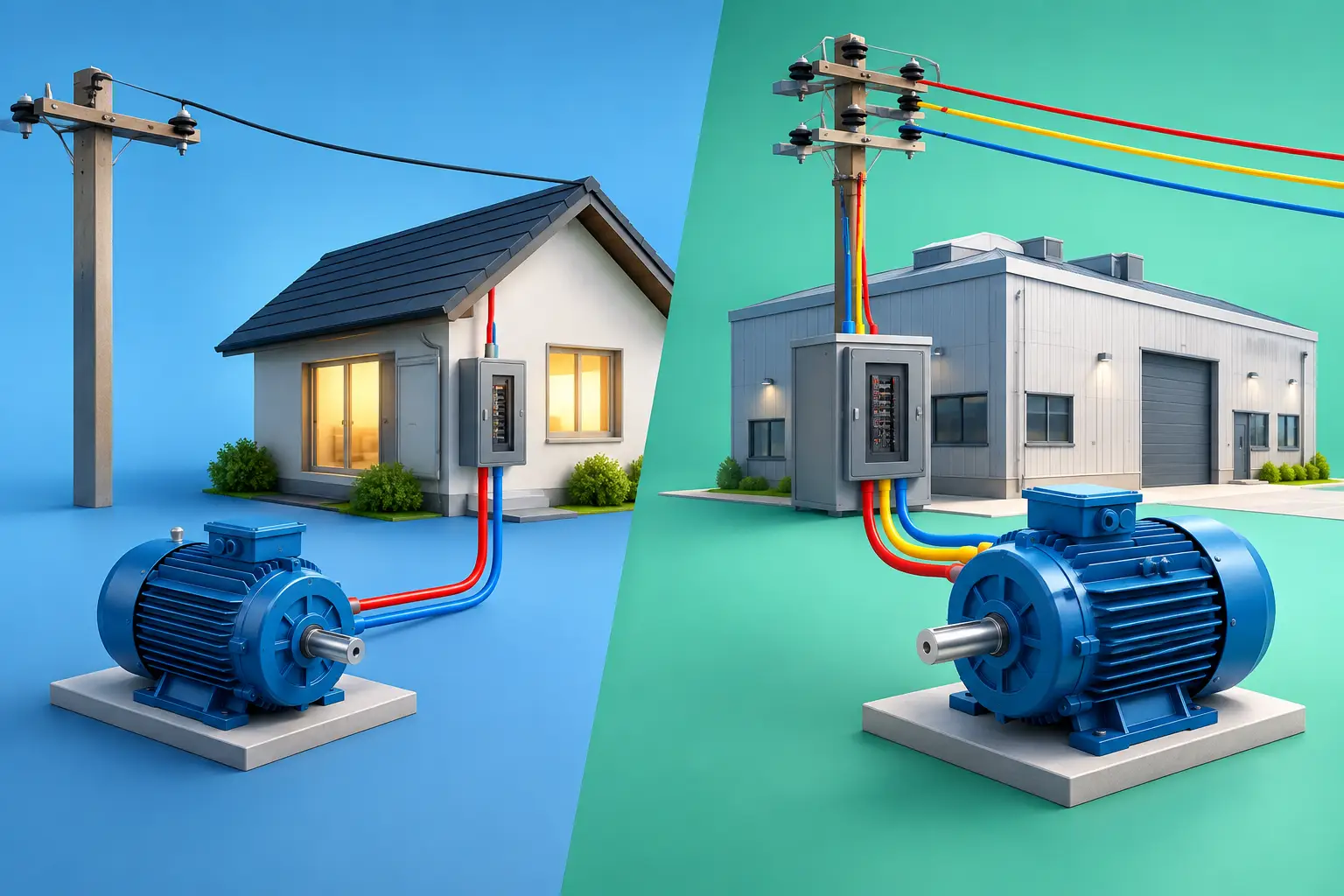
Compare single phase versus three phase power for homes, flats and London commercial premises, including capacity, cost, safety and upgrade work.