
August 15, 2026

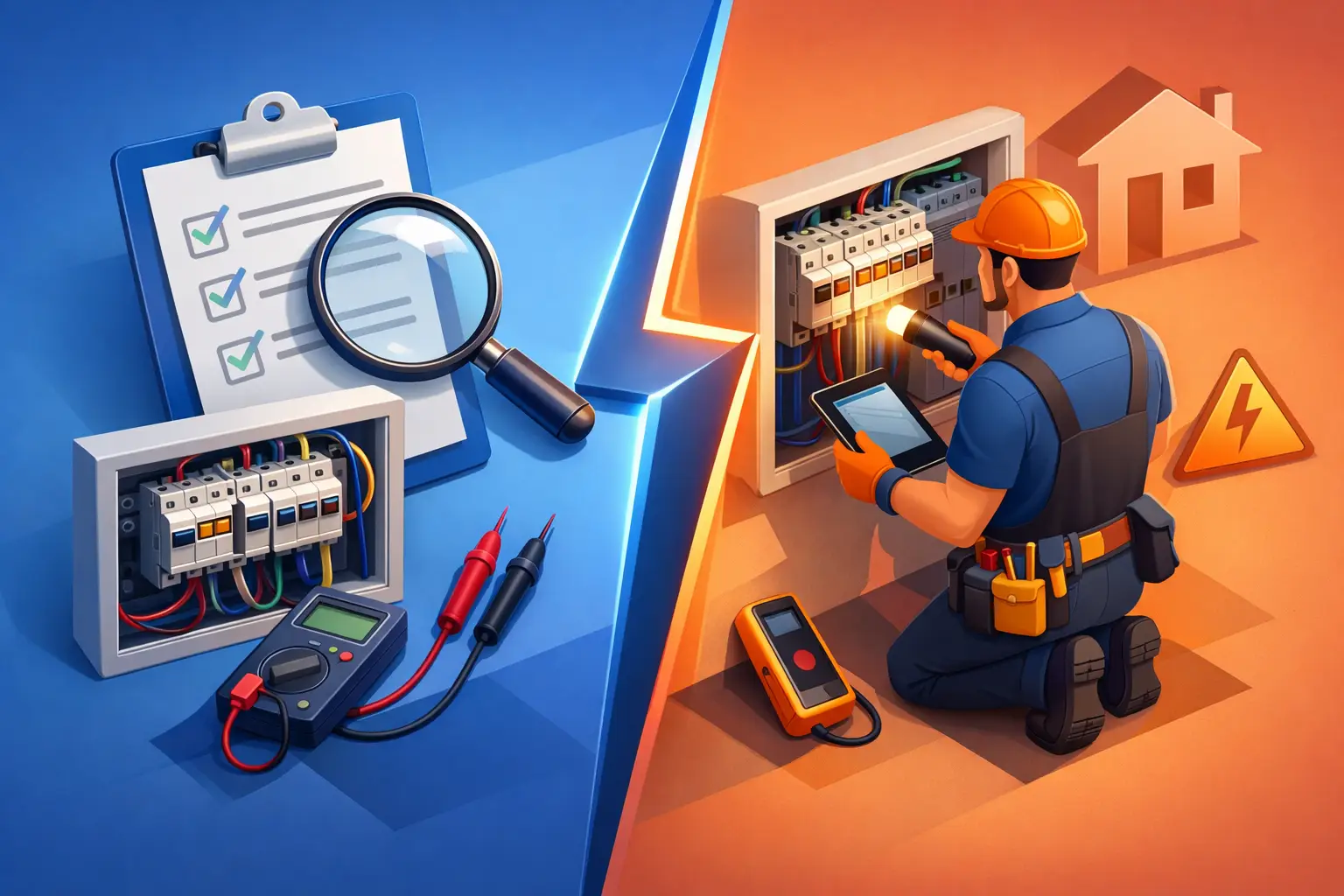
Understand the difference between an EICR vs electrical inspection, when each is needed, and how to keep your London property safe and compliant today.







A burning smell near a socket, lights that suddenly dim across several rooms, or a consumer unit that will not reset are not jobs to put off until the weekend. Electrical repairs protect people, property and the day-to-day reliability of a home or business. The right response depends on the fault, but one rule remains clear: where there is any risk of shock, fire or loss of essential power, a qualified electrician should assess it promptly.
For homeowners, landlords and commercial operators in London, early action can prevent a minor fault becoming costly damage or a serious safety incident. It also provides confidence that the work has been completed correctly and in line with current electrical requirements.
Some faults are inconvenient. Others can indicate immediate danger. If you see smoke, sparks, scorch marks, exposed wiring or water around electrical fittings, switch off power at the consumer unit only if it is safe to do so. Keep people away from the affected area and arrange an emergency electrician. Do not touch damaged cables, attempt to remove a plug from a hot socket, or use water on an electrical fire.
A repeated trip at the consumer unit also deserves attention. Modern protective devices are designed to disconnect the supply when they detect a fault. Resetting a breaker once may be reasonable after unplugging appliances on that circuit, particularly if an overloaded extension lead is the obvious cause. If it trips again, stays off or affects several circuits, stop resetting it. The underlying issue may be a faulty appliance, damaged cable, moisture ingress, an overloaded circuit or a problem within the installation.
Loss of lighting or power can be particularly disruptive for shops, offices, communal areas and rental properties. Emergency lighting, security systems, refrigeration, heating controls and data equipment may all be affected. A rapid professional diagnosis helps restore safe operation while reducing downtime for staff, customers and tenants.
Persistent buzzing from a socket or switch, flickering lights without an obvious bulb issue, warm faceplates and a crackling sound from electrical equipment all need investigation. The same applies to electric shocks or tingling sensations from taps, appliances or metal fittings. Even a mild shock is not normal and should be treated as a warning that a fault may be present.
Older properties can present additional challenges. Ageing wiring, limited socket capacity and outdated consumer units may no longer suit the demands of modern kitchens, home offices, electric heating or commercial equipment. A repair may solve the immediate problem, but an electrician should be clear about whether the wider installation needs further testing, upgrading or rewiring.
Replacing a lamp or resetting a tripped protective device is one thing. Fault-finding, alterations to fixed wiring and repairs inside a consumer unit are another. Electricity is unforgiving, and a repair that appears to work can still leave loose connections, inadequate earthing or concealed cable damage behind a wall.
The short-term saving of DIY work is rarely worth the risk. Incorrect repairs can increase the chance of electric shock, overheating and fire, and can make a future fault harder to diagnose. They may also create complications for landlords, insurers and property sales if work cannot be properly evidenced.
There are circumstances where homeowners can make a safe first check. Unplugging a suspected faulty appliance, checking whether a bulb has failed, or confirming that a local power cut is not affecting the street can help narrow down the issue. Beyond that, the safest option is to leave fixed electrical systems to a competent professional.
Effective electrical repair is not simply replacing the component that has stopped working. The visible failure may be the symptom rather than the cause. A qualified electrician starts by understanding when the fault occurs, which circuits are affected and whether recent work, water leaks, new appliances or changes in usage could be relevant.
Testing then confirms the condition of the circuit and protective devices. Depending on the fault, this may include checks on continuity, insulation resistance, polarity, earthing and RCD protection. These tests allow the electrician to identify the source of the issue rather than relying on guesswork.
Once the cause is confirmed, the repair can be completed using suitable materials and safe working methods. That might involve replacing a damaged accessory, correcting a loose connection, repairing a cable, replacing a failed light fitting or resolving a fault at the consumer unit. In some cases, particularly where wiring is old or extensively damaged, a partial or full rewire may be more sensible than repeated local repairs.
For landlords and commercial property managers, documentation matters as much as the repair itself. Keeping records of remedial work, inspection findings and certification supports maintenance planning and demonstrates a responsible approach to electrical safety.
Domestic faults often arise where demand has increased without the electrical installation changing with it. A kitchen may have accumulated high-load appliances, a loft conversion may need additional circuits, or a home office may rely on multiple extensions. Overloaded sockets and daisy-chained extension leads are common warning signs that more fixed outlets or a dedicated circuit may be needed.
In rented properties, damage to sockets, faulty extractor fans, failed lighting and tripping circuits can quickly become safety and habitability concerns. Landlords should respond promptly, particularly where a tenant reports heat, shocks, burning smells or loss of lighting. Regular inspection helps identify deterioration before it develops into an urgent call-out.
Commercial premises have different pressures. Retail lighting, extraction equipment, three-phase supplies, emergency lighting, security systems and IT infrastructure can all be critical to normal operations. A repair plan should balance speed with the need to protect staff and customers, isolate affected equipment and maintain compliance. Out-of-hours work can sometimes reduce disruption, but it depends on the type of fault and the safety risks involved.
Not every electrical issue can be predicted, but good maintenance reduces the likelihood of unexpected failures. Avoid overloading sockets, replace damaged leads promptly and use suitable equipment in bathrooms, kitchens and outdoor areas. Do not run cables beneath rugs or pinch them in doors, where wear can go unnoticed.
Property owners should also pay attention to changes in how a building is used. An additional electric shower, induction hob, EV charger, air-conditioning unit or bank of office workstations can place greater demand on an existing installation. Planning the electrical work before adding the equipment is safer and often more cost-effective than dealing with nuisance tripping afterwards.
Routine inspection is particularly valuable in older homes, rental portfolios and commercial spaces. It can reveal loose connections, deterioration, inadequate bonding or circuits that no longer meet the practical needs of the building. An Electrical Installation Condition Report can provide a clear picture of the installation’s condition and identify any remedial work required.
Speed matters when there is an emergency, but competence should never be sacrificed. Look for an electrician who can explain the fault clearly, carry out appropriate testing and provide straightforward advice on repair versus replacement. A reliable contractor should be transparent about the work required and avoid promising a quick fix before the fault has been properly assessed.
For urgent problems, confirm that the electrician can attend promptly and is equipped to make the area safe. For planned repairs, ask whether the issue could point to a wider concern, such as ageing wiring or an undersized consumer unit. This is especially relevant for landlords and businesses responsible for multiple occupants or public-facing premises.
EDL Electrical provides responsive electrical support across London for faults ranging from damaged sockets and lighting failures to consumer unit issues and more complex repair work. Whether the problem is an emergency or a recurring fault that needs careful diagnosis, certified workmanship gives you a safer, more dependable result.
If something electrical feels wrong, smells unusual, makes noise or repeatedly cuts out, trust that instinct. Isolate the affected circuit where safe, avoid further use and arrange professional help before a small warning becomes a larger problem.
Understand the difference between an EICR vs electrical inspection, when each is needed, and how to keep your London property safe and compliant today.

Use this landlord electrical checklist to keep London rental properties safe, compliant and ready for tenants, from EICRs to practical checks and repairs.
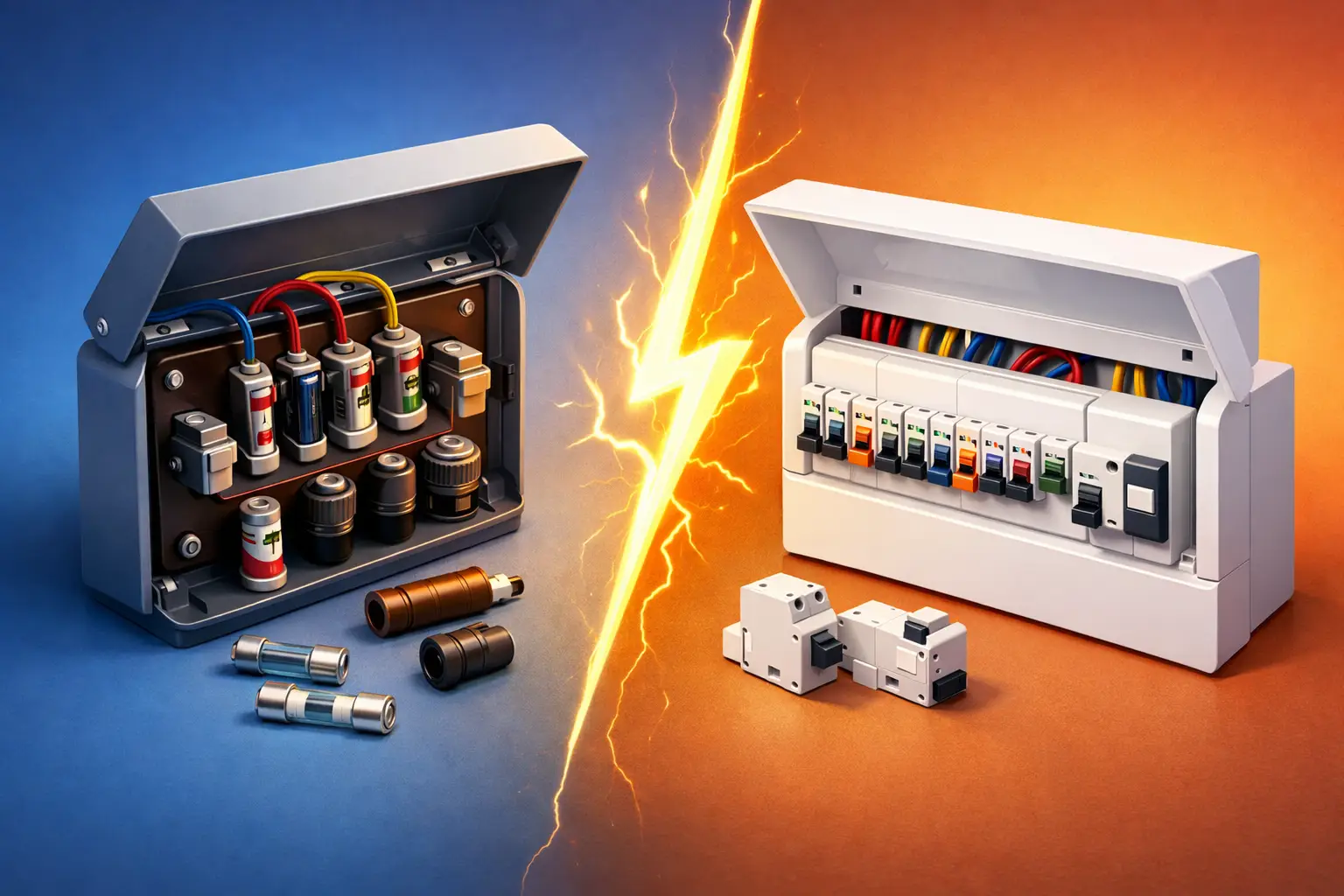
Compare a fuse box vs consumer unit, understand modern RCD protection, and know when a London property needs a safe, compliant upgrade without delay.