
September 22, 2026

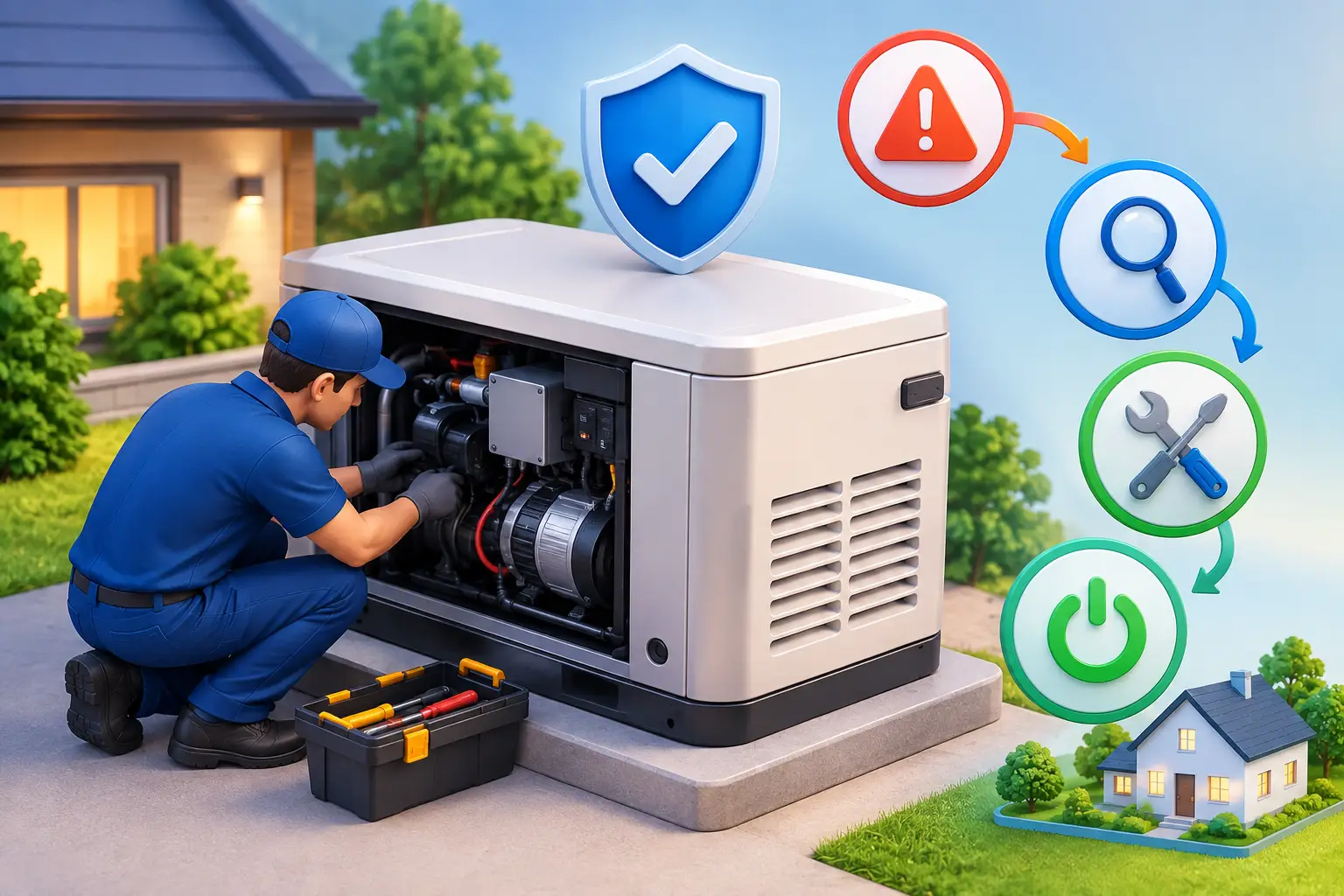
Generator failure recovery for London homes and businesses: immediate safety steps, fault checks and when to call a qualified electrician for urgent help.







A tripping consumer unit at home, failed emergency lighting in a shop, or a burning smell from a socket all demand more than a quick fix. Residential and commercial electrical services should protect people, property and day-to-day operations, while ensuring every installation and repair meets the right safety standards.
For London homeowners, landlords and business operators, the right electrical contractor provides support before a fault becomes disruptive as well as when an urgent problem cannot wait. That means clear advice, certified workmanship, dependable scheduling and a rapid response when safety is at risk.
Electrical work looks different in a Victorian terrace, a rental flat, a retail unit and a busy office, but the principle is the same: the system must be safe, suitable for its use and properly maintained. A qualified electrician should assess the condition of the existing installation before recommending work, particularly in older London properties where wiring may have been altered over several decades.
For residential properties, services commonly include fault finding, socket and switch repairs, lighting installation, consumer unit upgrades, full or partial rewiring, electrical inspections and smart home integration. Homeowners may also need surge protection to help protect sensitive appliances and electronics, or generator solutions where continuity of power is essential.
Commercial work often has additional demands. Offices, shops, restaurants, warehouses and mixed-use buildings may need power distribution upgrades, commercial lighting, emergency lighting repairs, planned maintenance and testing. The work must take account of staff safety, customer access, trading hours and the practical need to keep disruption to a minimum.
A new kitchen installation can normally be scheduled around other trades. A damaged cable, repeated loss of power or a consumer unit that will not reset may require immediate attention. Both jobs deserve the same standard of care, but urgent faults call for a methodical diagnosis rather than guesswork.
A 24/7 emergency electrician can make a real difference where there is an immediate risk or significant loss of service. If you notice sparks, smoke, a burning smell, exposed wiring, water near electrical equipment or repeated tripping, switch off the supply if it is safe to do so and seek professional help. Do not repeatedly reset a circuit breaker without finding the cause.
Many electrical problems are not visible. A socket may appear to work while loose connections, overloaded circuits or deteriorating cables sit behind the wall. Equally, a nuisance trip may come from one faulty appliance rather than from the fixed wiring. Proper fault finding separates the symptom from the underlying issue, helping to avoid unnecessary work and repeat callouts.
An electrician should inspect, test and explain the findings in plain language. The appropriate solution depends on the age of the installation, the condition of the wiring, current and future electrical demand, and the way the property is used. For example, replacing a single damaged accessory may be enough in one home, while another property may need a consumer unit upgrade or more extensive rewiring to remain safe.
Electrical Installation Condition Reports, commonly called EICRs, are particularly valuable for landlords, property managers and commercial operators. They identify defects, deterioration and potential non-compliance within the fixed installation. For rented homes, an up-to-date report and prompt remedial work help landlords meet their responsibilities and give tenants greater confidence in the property.
The consumer unit is the point at which the property’s circuits are protected. Older fuse boards may not offer the level of protection expected in a modern installation, especially where a home or business now relies on more appliances, technology and electrical equipment than it did originally.
An upgrade may be appropriate after an unsatisfactory inspection, during a rewire, when adding major new circuits, or where the existing unit is damaged or outdated. Modern protection devices can improve safety by responding quickly to certain faults, but an upgrade is not a cure-all. The condition of the cables, connections and earthing arrangements still needs to be checked carefully.
For commercial premises, capacity also matters. Additional workstations, refrigeration, specialist equipment or upgraded lighting can place new demands on an existing supply. Planning the distribution properly from the start can reduce future disruption and help avoid overloaded circuits.
Rewiring is among the most significant electrical projects a property can undertake. It can involve replacing old cables, updating circuits, improving earthing and fitting new accessories, with parts of walls or ceilings sometimes needing to be opened for access. It is therefore sensible to coordinate the work with refurbishment, decorating or an extension where possible.
Signs that a rewire may be needed include ageing fabric-covered or rubber-insulated cables, frequent faults, scorching around accessories, inadequate socket provision, or an inspection report highlighting widespread issues. However, age alone does not determine the answer. A well-maintained installation may need targeted improvements rather than a full rewire, while a newer installation that has been poorly altered may need more urgent attention.
In commercial settings, careful phasing is often essential. Work may need to happen outside trading hours, in sections, or alongside temporary power arrangements. A professional contractor will discuss access, shutdown requirements and programme constraints before work begins, rather than leaving these critical details to the day of installation.
Lighting affects safety, comfort and running costs. In homes, a considered lighting scheme can make kitchens, hallways, gardens and workspaces more practical. In commercial premises, good lighting supports staff productivity, customer experience and safe movement around the building.
LED upgrades can reduce energy use and maintenance requirements, but the best choice depends on the space. A retail display, office workstation, warehouse aisle and residential bathroom each require different levels and types of light. Exterior lighting also needs suitable fittings and controls to withstand weather exposure while providing reliable security and access.
Smart home systems can provide convenient control of lighting, heating-related electrical accessories, security devices and selected appliances. They should be installed with reliability in mind, not simply for novelty. A simple, well-configured system that the household can use confidently is usually more valuable than a complicated set-up that depends on one person understanding it.
Cost matters, but it should not be the only deciding factor. Electrical work can affect the safety and value of a property for years, so it is worth choosing a contractor who can explain the scope clearly and provide the right certification for completed work.
Look for qualified, insured electricians with relevant accreditations and experience of the type of property involved. Ask what is included in the quote, whether testing and certification are covered, how any additional faults will be handled, and when the work can be completed. For landlords and commercial clients, it is also useful to confirm how reports, remedial recommendations and ongoing maintenance will be managed.
A local London electrical team should understand the realities of occupied homes, managed blocks and trading premises. That means arriving prepared, protecting the work area, communicating clearly with tenants or site contacts, and completing work with minimal avoidable disruption.
The best electrical service is not defined only by the installation itself. It is defined by whether the work solves the problem safely, whether the customer understands what has been done, and whether help is available if an urgent fault develops later.
EDL Electrical provides residential and commercial support across London, covering planned installations, inspections, repairs and emergency callouts with a focus on certified, practical workmanship. Whether you are managing a rental property, upgrading a family home or keeping a business running, addressing electrical concerns early is usually safer, less disruptive and more cost-effective than waiting for a small fault to become an emergency.
Generator failure recovery for London homes and businesses: immediate safety steps, fault checks and when to call a qualified electrician for urgent help.

Security lighting helps London homes and businesses deter intruders, protect access routes and improve visibility. Guidance on choosing and proper upkeep.
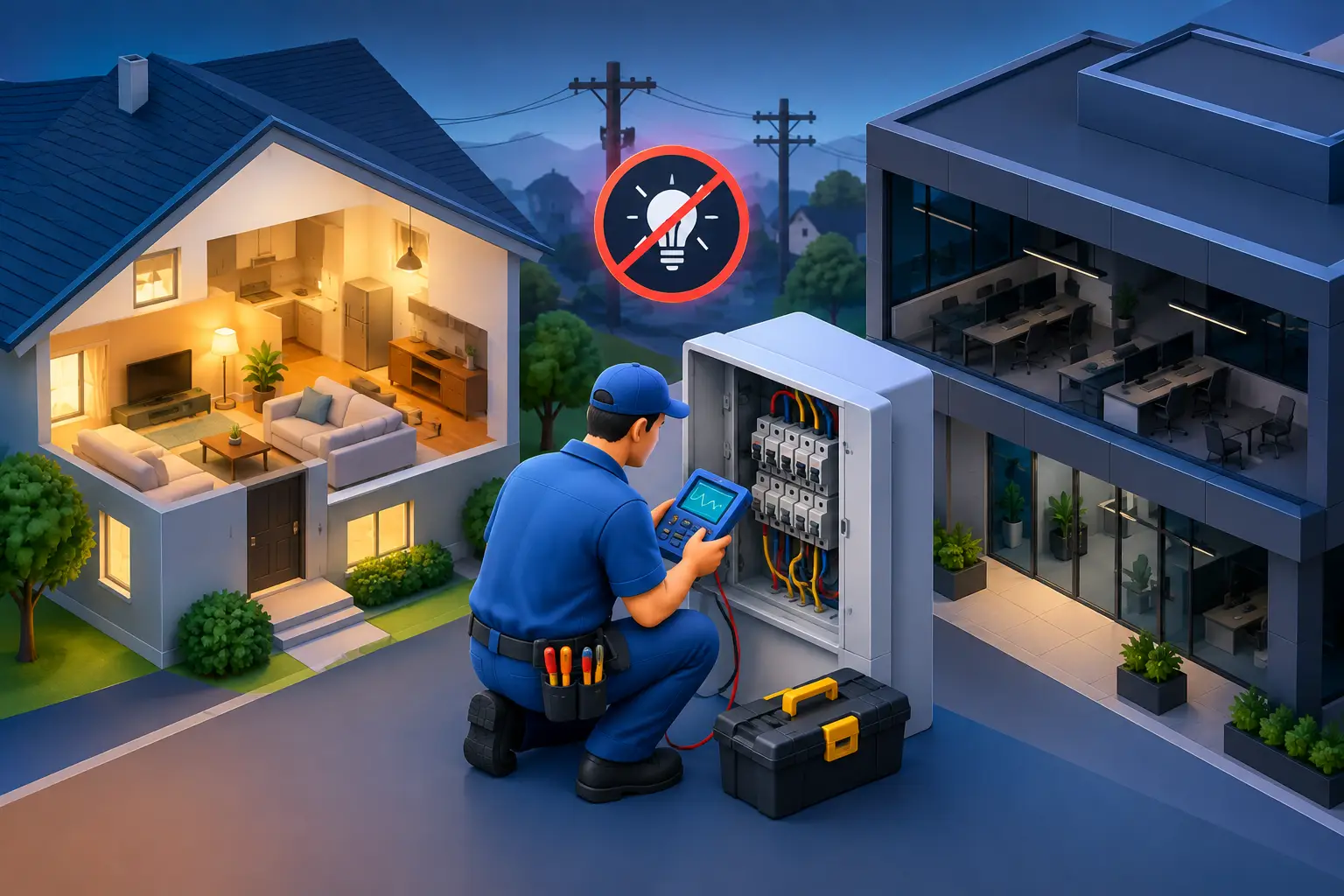
Need power cut fault diagnosis in London? Learn how to check your consumer unit safely, spot urgent risks and know when to call a...