September 22, 2026

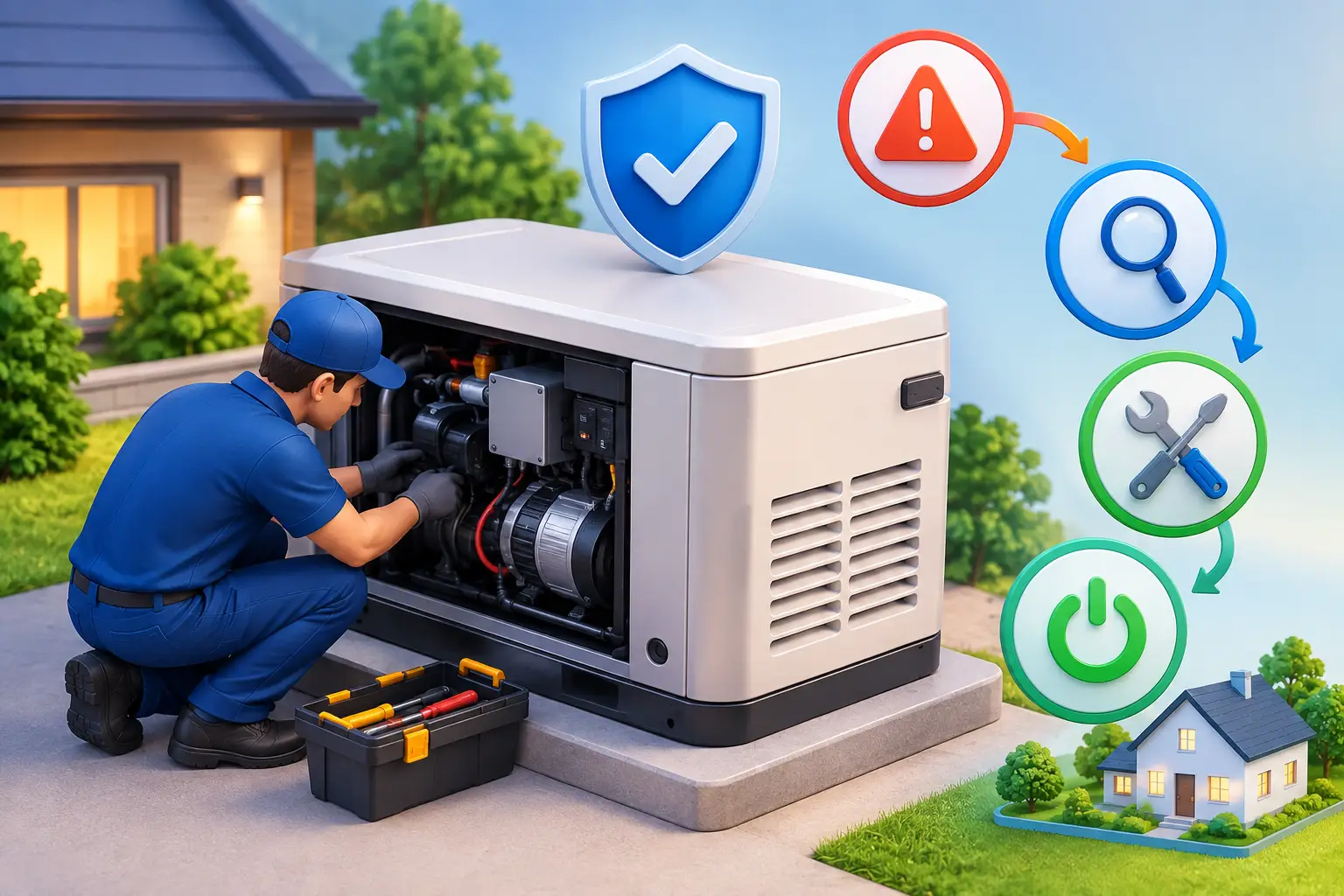
Generator failure recovery for London homes and businesses: immediate safety steps, fault checks and when to call a qualified electrician for urgent help.







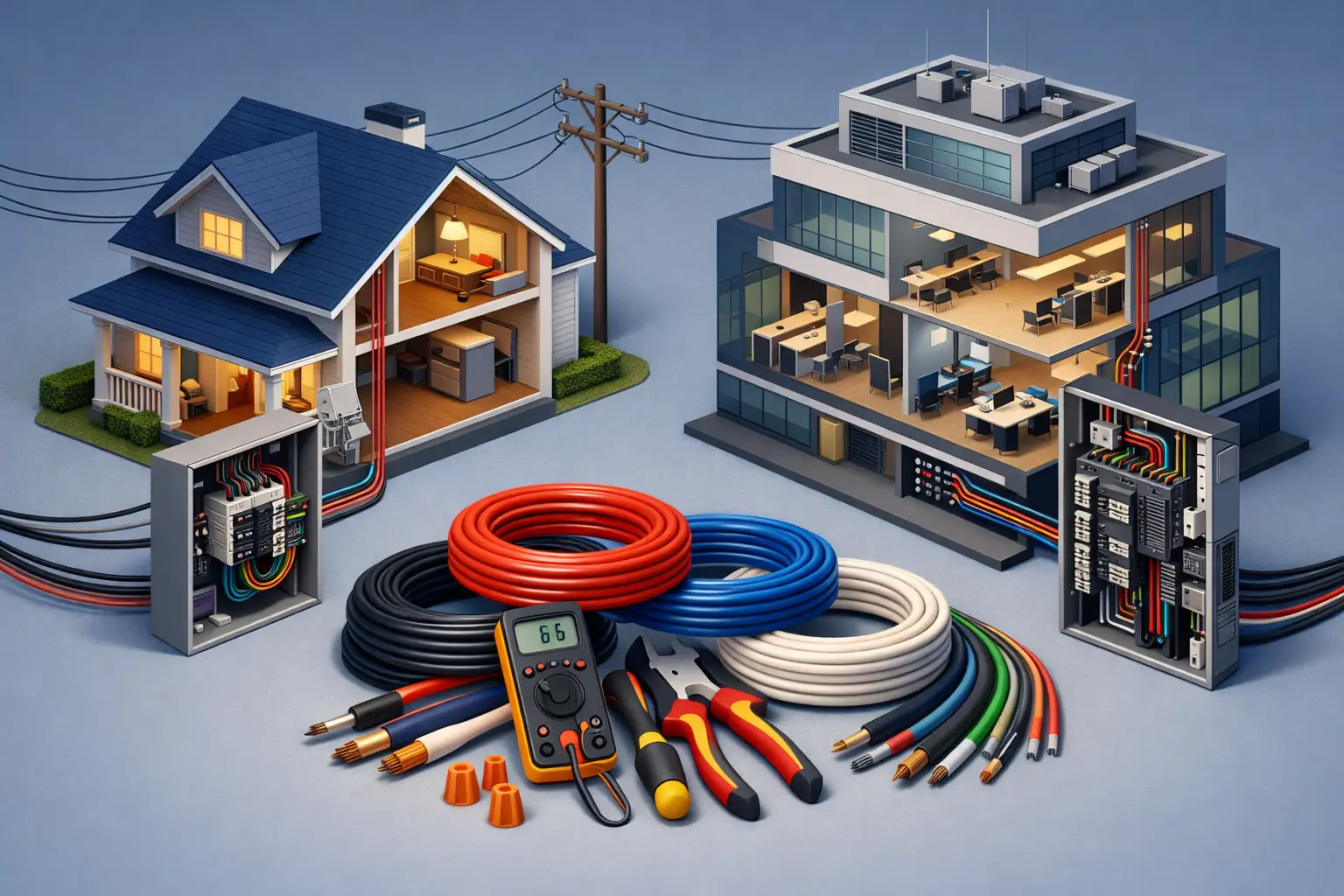
A flickering light in a flat and repeated power loss in a shop may both look like minor electrical problems. In practice, the cause, risk level and correct repair can be very different. Residential and commercial electrical wiring must be designed around how a property is used, protected against faults and installed to current safety requirements. Getting that work right protects people, equipment and the long-term value of the building.
For homeowners, landlords and business operators across London, the key is knowing when electrical work is routine, when it needs proper investigation and when it is unsafe to wait.
Electrical wiring is more than the cables hidden behind walls and ceilings. It is the complete system that carries power from the supply to consumer units or distribution boards, circuits, sockets, lighting, fixed appliances and specialist equipment. It also includes protective devices, earthing and bonding arrangements that reduce the danger of electric shock and fire when a fault occurs.
A safe installation is planned for the expected electrical load. A home may need reliable circuits for lighting, cooking, showers, heating controls, home working and charging devices. A commercial premises may need to support computers, refrigeration, machinery, emergency lighting, security systems or three-phase equipment. The more demanding the use, the more important circuit design, cable selection and protective measures become.
Age also matters. Older London properties can have wiring installed during very different periods of electrical standards. A system may appear to work day to day while still lacking sufficient circuit capacity, modern protection or suitable earthing. That is why visible condition alone is not a reliable safety test.
Domestic wiring should make a home practical as well as safe. Modern households use far more electrical equipment than many older installations were designed to support. Extension leads, overloaded adaptors and frequent tripping can be signs that the available circuits no longer suit the way the property is used.
A well-planned residential installation separates circuits so that a fault in one area does not unnecessarily cut power throughout the home. Lighting, socket outlets, cookers, showers and smoke alarms may require separate arrangements depending on the property and installation design. Residual current devices, often called RCDs, and RCBOs provide additional protection by disconnecting supply quickly when they detect certain faults.
Rewiring is often considered during a renovation, loft conversion, extension or major kitchen upgrade, when access to walls and floors is already available. It can also be necessary where cabling is old, damaged, poorly altered or unable to meet the property’s needs.
Consumer unit upgrades are another common project. A new unit does not automatically solve every problem in an old installation, but it can improve protection when the existing wiring has been properly assessed and is suitable. The right approach depends on the findings, not simply on replacing the visible board.
Landlords have an additional responsibility to keep electrical installations safe. Periodic inspection and testing provides evidence of condition, identifies defects and supports compliance with the relevant requirements for rented properties. It is a practical safeguard for tenants and a sensible way to avoid disruptive faults escalating into expensive repairs.
Commercial electrical wiring is usually more complex because the building has different operating demands, more users and greater consequences if power is interrupted. An office may need dependable data and power provision at every workstation. A retail unit may rely on lighting, payment systems, CCTV, alarms and displays. Restaurants, workshops and warehouses can have higher loads and specialist equipment that require more detailed design.
Business continuity is a central consideration. A circuit that trips repeatedly can stop trading, create safety concerns for staff and customers, or damage sensitive stock and equipment. For this reason, commercial installations are commonly designed with circuit separation, clear labelling, planned access for maintenance and appropriate emergency systems.
Some commercial premises use a three-phase supply, which can support higher loads and equipment that would not be suitable for a typical domestic supply. This should only be installed, altered or maintained by competent electricians who understand the distribution arrangement, fault protection and required testing.
Commercial work may also include emergency lighting, fire alarm interfaces, outdoor lighting, security systems, surge protection and backup generator connections. These systems need to work together without compromising the safety of the main installation. The cheapest initial option is not always the best value if it makes maintenance difficult or creates avoidable downtime later.
Both homes and businesses must comply with electrical safety requirements, including BS 7671, commonly known as the IET Wiring Regulations. However, the level of planning, documentation and ongoing inspection can differ considerably.
For domestic work, the focus is often on safe circuits, suitable protective devices, bathroom zones, kitchen loads and the condition of existing wiring. For commercial premises, risk assessments, employee safety, emergency arrangements and operational continuity may all influence the design. A landlord managing a mixed-use building must consider both sides, especially where residential areas and commercial units have separate supplies or shared service spaces.
Not every electrical job needs a full rewire. Equally, isolated repairs are not always appropriate where testing reveals widespread deterioration. A qualified electrician should inspect the installation, discuss how the property is used and explain the options in plain language. This helps clients make a decision based on risk, budget and the likely lifespan of the work.
Electrical faults should never be ignored just because they appear intermittent. If a circuit breaker trips once after an obvious overload, reducing the load may resolve the issue. If it trips repeatedly, there may be a fault that needs investigation.
Arrange a professional assessment if you notice burning smells, discolouration around sockets or switches, buzzing fittings, mild shocks or tingling from metalwork, frequent blown lamps, flickering lights, damaged cables or loose socket fronts. In commercial settings, unexplained equipment resets, recurring faults in one area or heat around distribution equipment should also be taken seriously.
If there is smoke, visible sparking, a burning smell or water affecting electrical equipment, switch off power only if it is safe to do so and seek urgent help. Do not touch damaged equipment, attempt a temporary repair or repeatedly reset a breaker without identifying the cause. Rapid response can prevent a local defect from becoming a serious incident.
Adding sockets, new lighting or higher-demand equipment can expose weaknesses in an existing installation. Before extending circuits, an electrician may need to test earthing, insulation resistance, polarity, protective devices and circuit capacity. This is not unnecessary delay. It confirms that the new work can be connected safely and that protective devices will operate as intended.
Testing is especially valuable in older properties, recently purchased premises and buildings that have been altered by previous owners or tenants. London’s converted houses and mixed-use properties often contain layers of electrical work completed at different times. Clear inspection, accurate certification and proper circuit labelling make future maintenance much safer and quicker.
For residential and commercial electrical wiring, choose an electrician who can assess the full installation rather than treating every fault as an isolated problem. Ask whether the work will be tested, what certification will be provided and how disruption will be managed. For a business, it is also worth discussing out-of-hours work, phased installation and contingency planning where shutdowns could affect trading.
Certified workmanship, transparent recommendations and clear communication matter just as much as the repair itself. EDL Electrical provides planned electrical work, inspections and emergency support across London, helping property owners address faults and upgrades with the right level of urgency.
Whether you are updating a family home, preparing a rental property or keeping a busy commercial site operational, safe wiring begins with a proper assessment. Acting early gives you more options, less disruption and greater confidence in the system behind every switch and socket.
Generator failure recovery for London homes and businesses: immediate safety steps, fault checks and when to call a qualified electrician for urgent help.

Security lighting helps London homes and businesses deter intruders, protect access routes and improve visibility. Guidance on choosing and proper upkeep.
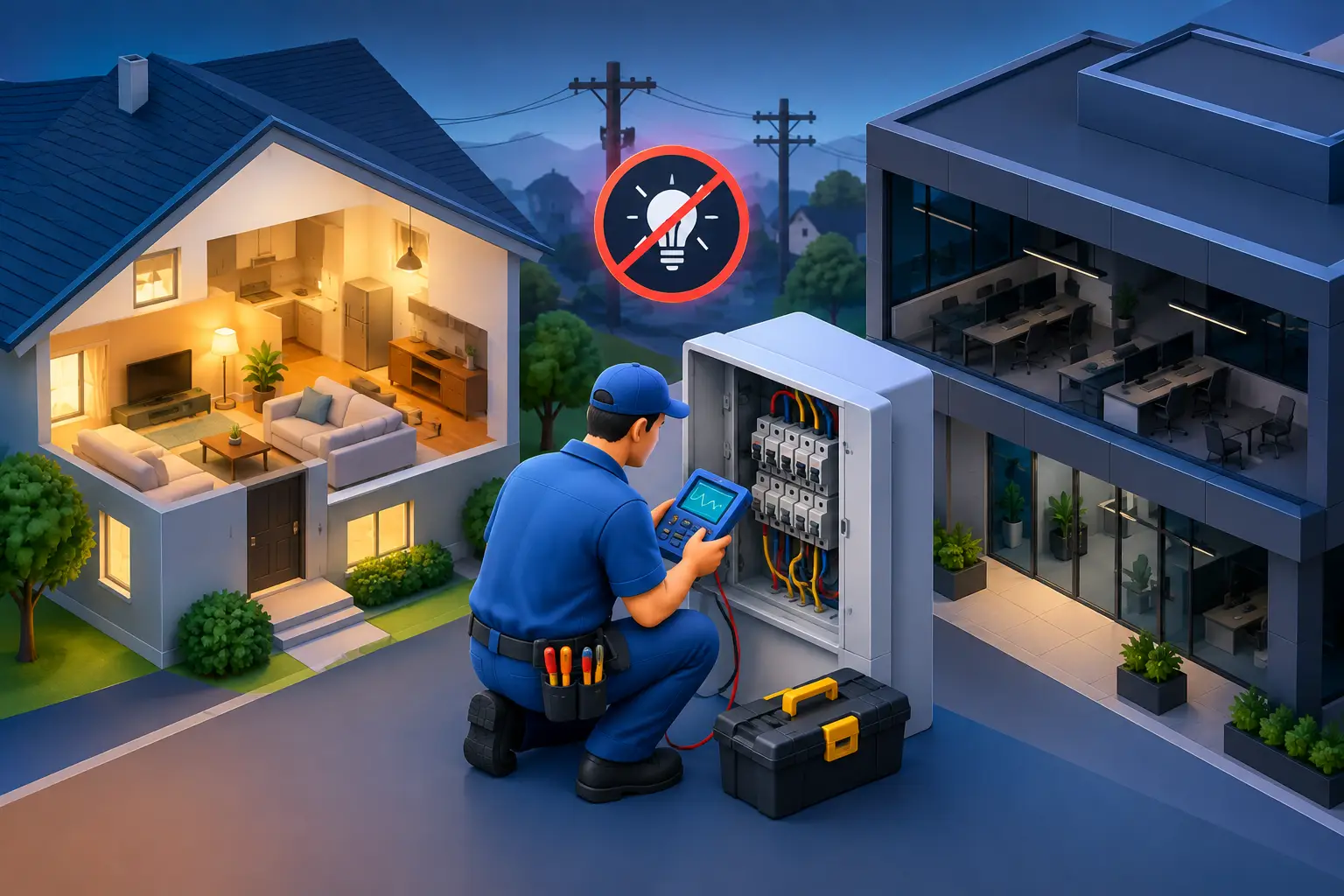
Need power cut fault diagnosis in London? Learn how to check your consumer unit safely, spot urgent risks and know when to call a...