September 16, 2026

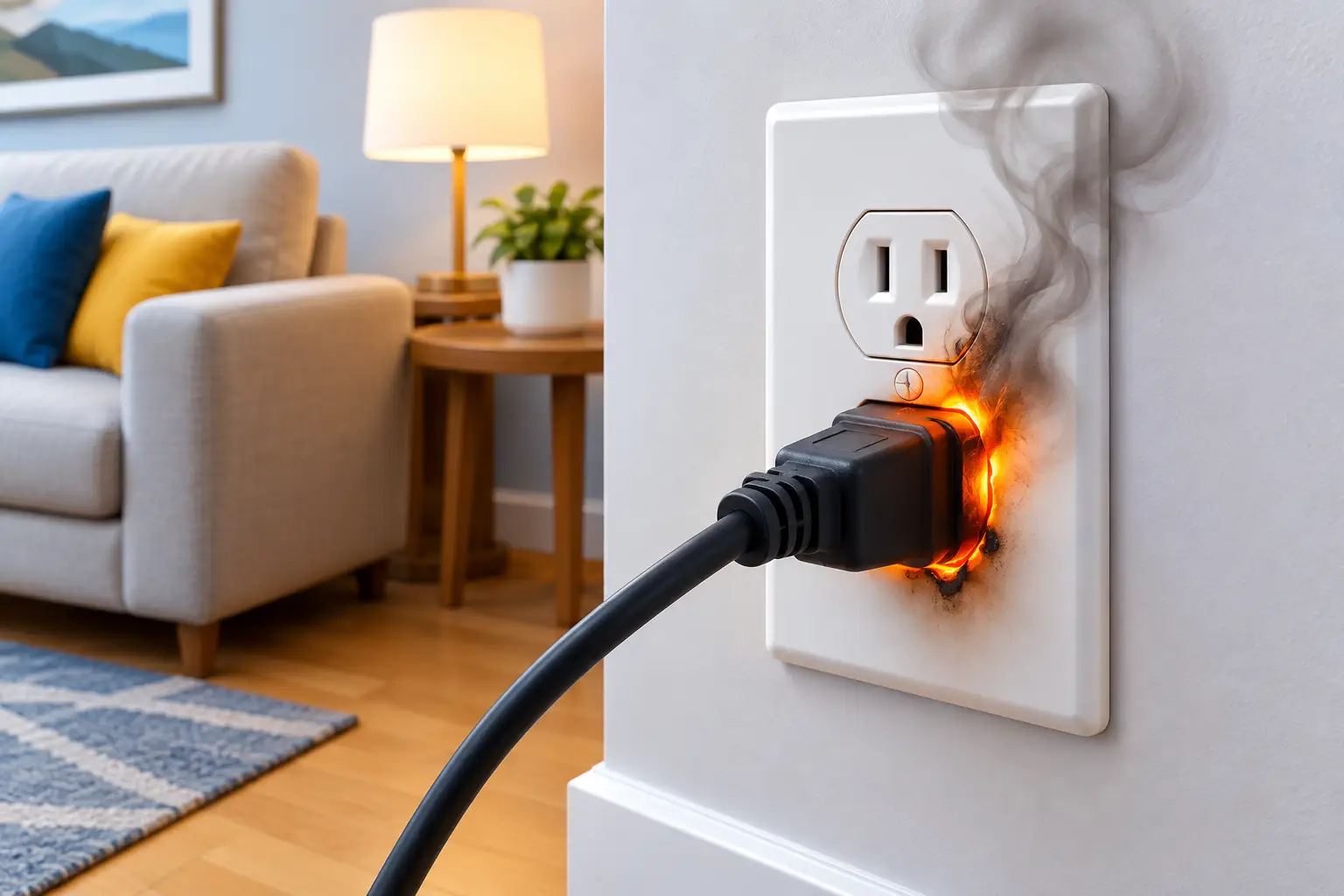
What causes burning sockets? Learn the warning signs, likely faults and safe next steps to protect your London home or business from electrical fire...







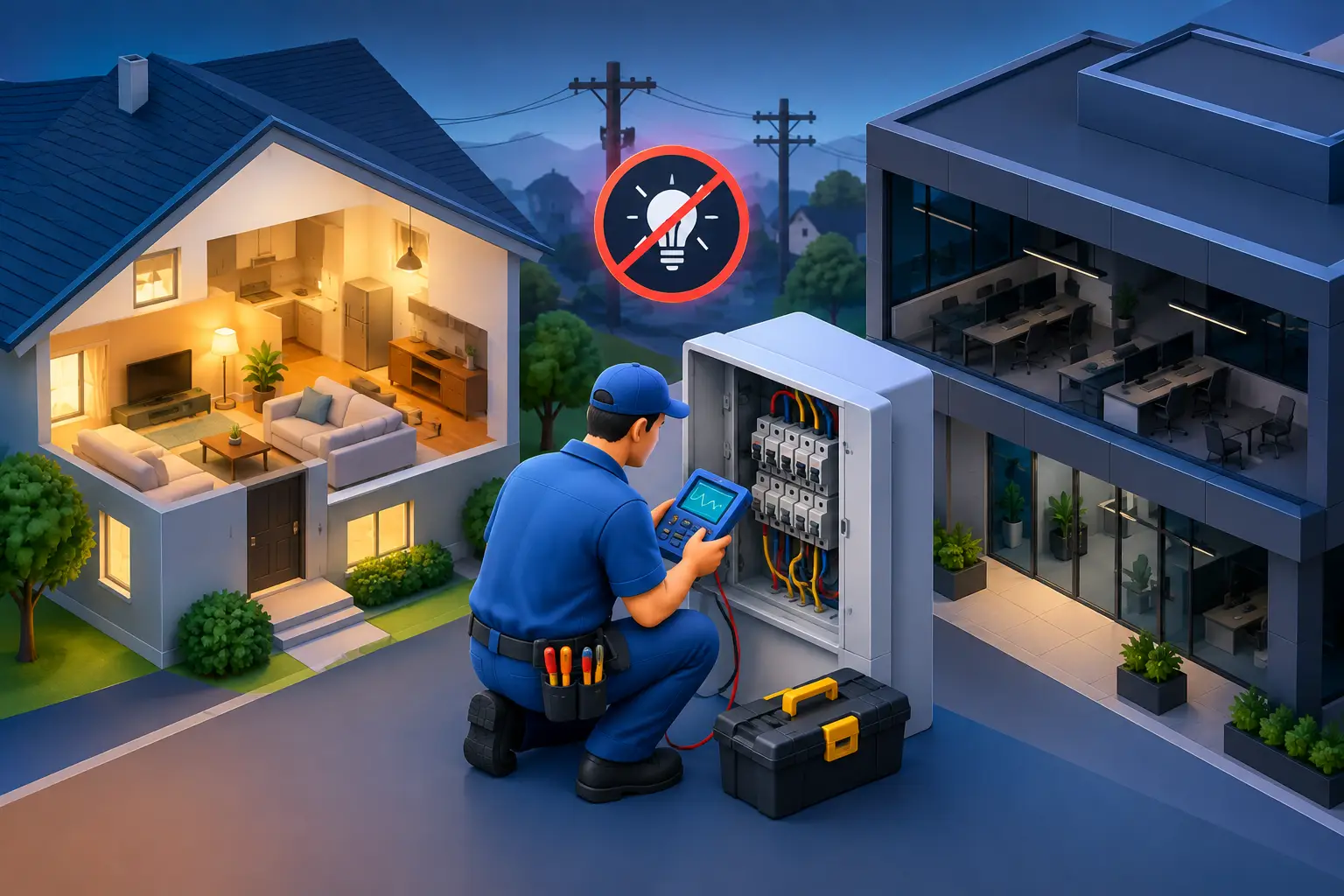
A power cut can be more than an inconvenience when it affects your heating, security, lighting, refrigeration or business equipment. Effective power cut fault diagnosis starts with one key question: is the supply issue affecting the wider area, or is there a fault within your property? Establishing that safely prevents unnecessary disruption and helps ensure serious electrical faults receive the right response.
For homeowners, landlords and commercial property managers in London, the priority is always safety. Never remove consumer unit covers, handle damaged cables, or repeatedly reset a circuit that trips. A qualified electrician can locate the cause accurately, complete repairs to current standards and confirm that the installation is safe to use.
First, look outside your property. Are streetlights off? Do neighbouring homes, shops or communal areas have no electricity? If the answer is yes, the issue may be a local network outage rather than a fault in your installation. Check the information provided by your electricity network operator or call 105 to report a power cut and receive outage updates.
If nearby properties still have power, check whether your electricity meter display is active and whether the main switch at your consumer unit is in the on position. Avoid touching the consumer unit if there is water nearby, signs of burning, a burning smell, smoke, crackling or visible heat damage. Move away from the area where it is safe to do so, keep others clear and arrange urgent professional help. Call 999 if there is an immediate fire risk or danger to life.
A loss of electricity limited to one room, floor, socket circuit or lighting circuit usually points to an internal issue. The consumer unit may show a tripped circuit breaker, an RCD, or an RCBO in the off position. These protective devices are designed to disconnect power when they detect overload, short circuit or earth leakage. Their operation is a warning that needs sensible investigation, not something to override.
The position and behaviour of protective devices give useful clues, but they do not provide a full diagnosis on their own. Modern consumer units often use RCBOs, which protect individual circuits. Older units may use MCBs for individual circuits and one or more RCDs protecting several circuits. When an RCD trips, multiple circuits can go off together.
An MCB that trips may indicate an overloaded circuit or a short circuit. For example, several high-demand appliances operating from the same kitchen ring circuit may overload it. A damaged extension lead, failed socket outlet or appliance with internal damage can also create a short circuit.
An RCD or RCBO trip is more commonly associated with earth leakage. Moisture in an outside fitting, a deteriorated cable, a faulty immersion heater or a damaged appliance can all cause enough leakage for the protective device to operate. This protection is essential. It reduces the risk of electric shock, so it should never be bypassed or held in place.
If a circuit has tripped once and there is no sign of damage, you may reset it once at the consumer unit. Before doing so, switch off and unplug appliances on the affected circuit where practical. If it remains on after resetting, reconnect items one at a time. Should the circuit trip when a particular appliance is plugged in or switched on, stop using that appliance. It may need repair or replacement.
If the switch will not reset, trips again immediately, or trips again after equipment has been disconnected, leave it off and call a qualified electrician. Repeated resetting can worsen a fault, damage connected equipment and remove the time needed to identify an intermittent problem.
A proper fault diagnosis considers the type of property, the affected circuit, recent work and the pattern of the failure. There is rarely one safe assumption. In a period home, ageing accessories and older wiring may be part of the picture. In a newer flat, a single faulty appliance or water ingress around external equipment may be more likely.
Common causes include:
Commercial premises can introduce further variables. Display lighting, HVAC systems, kitchen equipment, shutter controls, server equipment and three-phase supplies may be involved. A fault that appears minor can affect safety systems, stock, trading hours or staff welfare. In these situations, rapid attendance and a methodical test process are usually more valuable than repeated attempts to restore supply without finding the cause.
Not every trip requires an emergency call-out, but certain signs should always be treated as urgent. Burning smells, buzzing, sparking, scorching, electric shocks from metalwork or sockets, and persistent tripping all require professional attention. The same applies if a circuit supplies essential equipment, such as a boiler, medical device, alarm system, fire safety equipment, freezer stock or communal lighting.
Landlords and property managers should be especially careful where tenants report intermittent power loss. An intermittent fault can be difficult to reproduce and may only appear when a circuit is under load, during wet weather or when a particular appliance heats up. Recording when the issue occurs, which rooms lose power and what equipment was in use can help an electrician test efficiently. It does not replace inspection, but it can reduce disruption and speed up the repair.
Do not ask tenants or staff to remove socket fronts, access ceiling voids or investigate live equipment. Their role should be limited to reporting symptoms and switching off affected appliances if it is safe. The person responsible for the property should arrange a competent electrician and keep a record of the remedial work completed.
A qualified electrician will begin by making the installation safe and confirming the extent of the outage. They will identify whether the issue is on the supplier side, at the meter arrangement, at the consumer unit or on a final circuit. From there, testing can isolate the affected circuit and determine whether the defect lies in fixed wiring, an accessory, a protective device or connected equipment.
This process may include visual inspection, continuity testing, insulation resistance testing, polarity checks, earth fault loop impedance testing and RCD or RCBO testing. The exact tests depend on the nature of the fault and the type of installation. In a commercial building, the electrician may also assess load demand, distribution boards, emergency lighting and equipment isolation requirements.
There is a practical trade-off between restoring power quickly and carrying out enough testing to prevent the fault returning. In some cases, a safe temporary restoration can be appropriate while replacement parts are sourced or a larger repair is planned. In others, leaving a faulty circuit isolated is the only responsible option until repairs are complete.
Following repairs, a competent electrician should explain what caused the fault, what has been repaired and whether any wider improvement is advisable. If the consumer unit is outdated, circuits are showing signs of deterioration or the property has had repeated faults, an Electrical Installation Condition Report may be recommended. For landlords, this can also support ongoing compliance duties and provide a clearer picture of the installation’s condition.
Many internal power cuts are preventable with regular maintenance and sensible use. Avoid overloading extension leads and adaptors, replace damaged leads promptly, use suitable weatherproof equipment outdoors and arrange checks after leaks or building work. Older properties, rented properties and busy commercial spaces benefit from periodic inspection because electrical deterioration is not always visible.
Surge protection, consumer unit upgrades and correctly designed additional circuits can also reduce avoidable disruption where demand has increased. A home office, electric vehicle charger, loft conversion, commercial kitchen or new air-conditioning equipment can change how an installation is used. Adding loads without assessing circuit capacity is a common source of nuisance tripping and overheating risks.
When the cause is unclear, leave the affected circuit switched off rather than taking chances. A fast, careful diagnosis by a qualified electrician protects the people in your property, preserves your equipment and gives you a reliable route back to safe power.
What causes burning sockets? Learn the warning signs, likely faults and safe next steps to protect your London home or business from electrical fire...

Decide whether to rewire or partial rewire your London property, recognise warning signs and plan safe, compliant work with a certified electrician today.
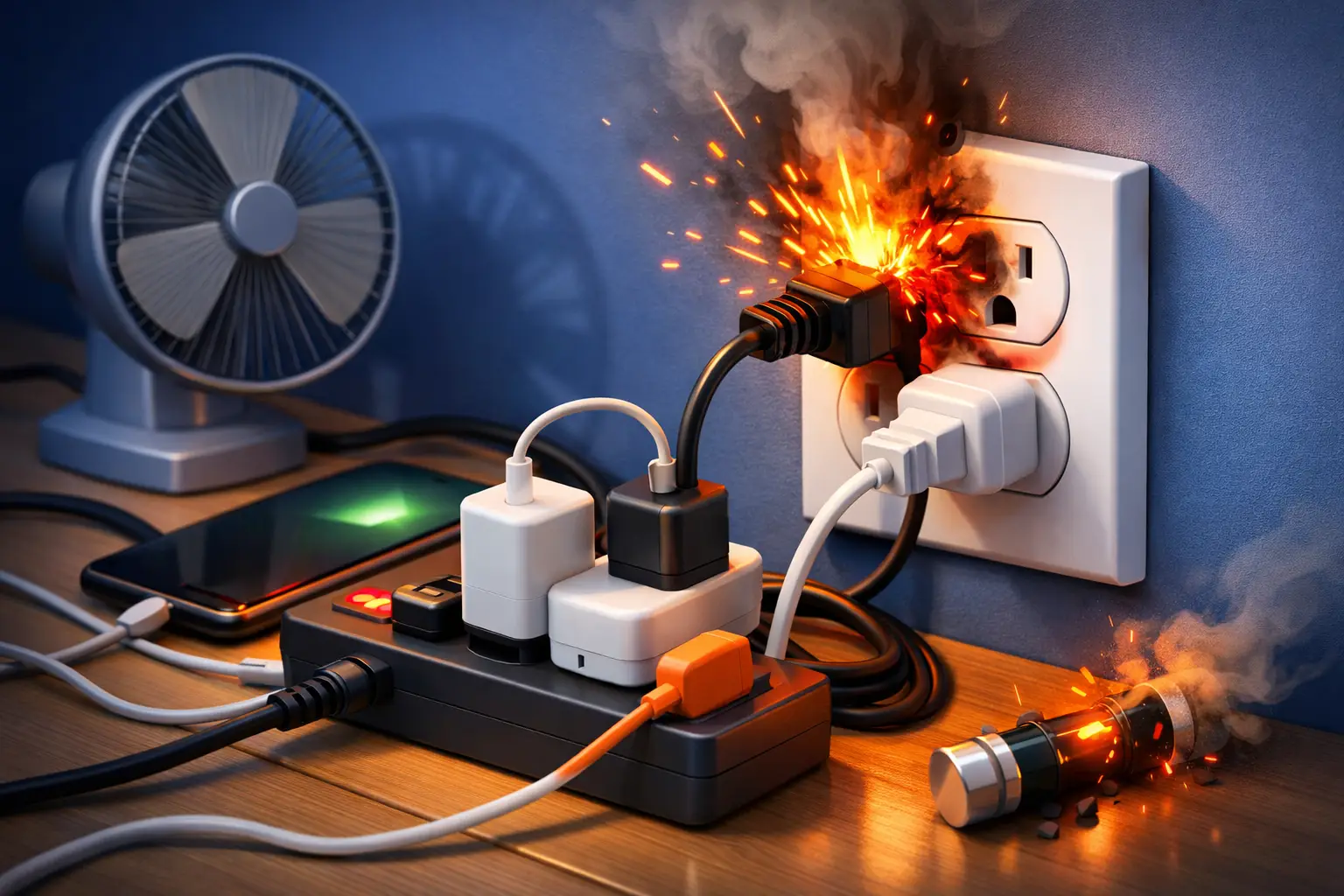
Spot overloaded circuit symptoms early, reduce electrical risk and know when a qualified London electrician should inspect your home or business wiring.