November 7, 2026

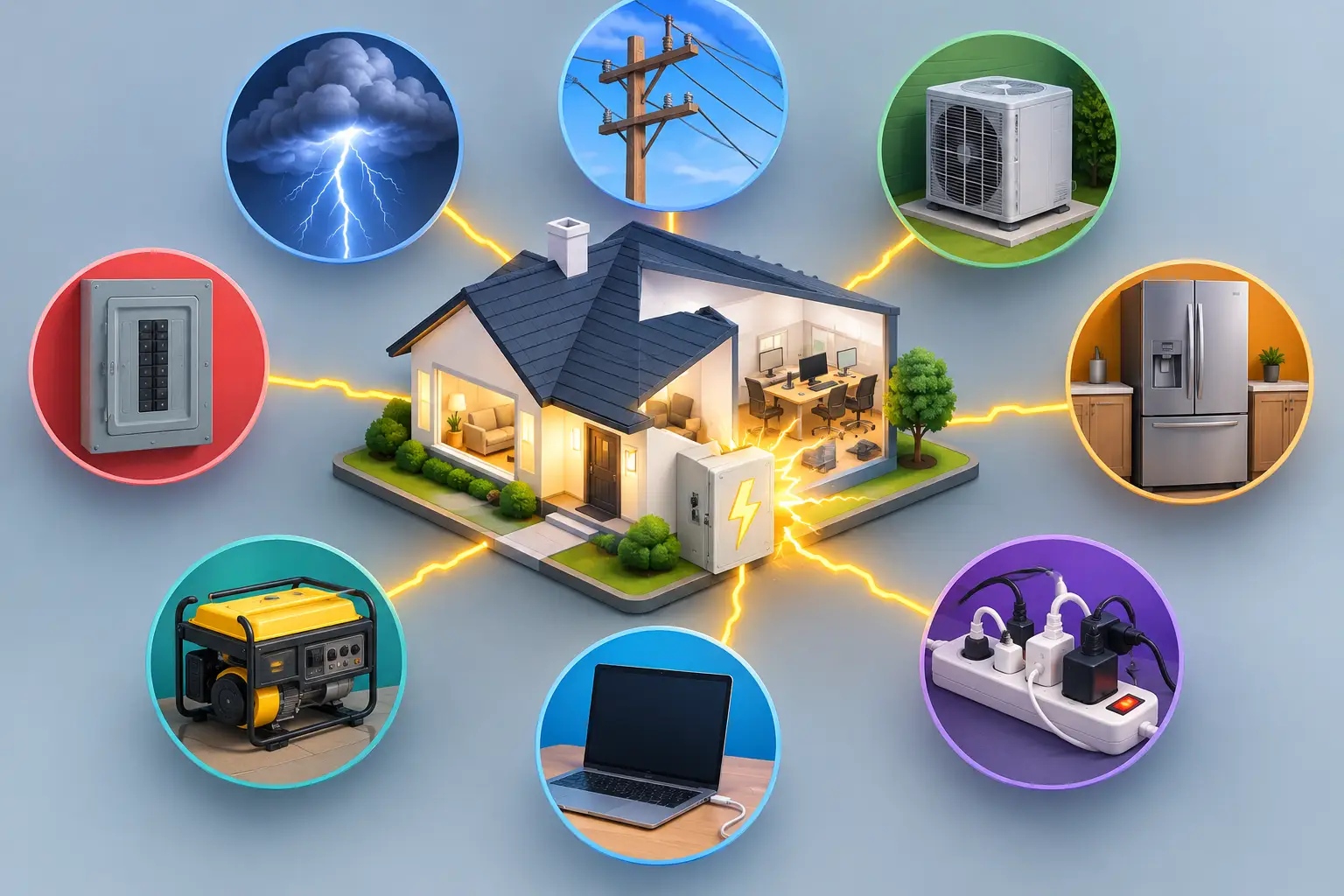
Learn the most common power surge causes in London properties, the warning signs to act on, and how certified protection keeps people and equipment...






A kettle, microwave and toaster running together may seem routine, until the lights flicker or a circuit trips. Overloaded circuit symptoms are often a property’s early warning that too much demand is being placed on one part of its electrical system. Acting early protects people, appliances and the wiring hidden behind your walls.
An overloaded circuit is not simply an inconvenience to reset and forget. In a well-maintained installation, the protective device in the consumer unit should disconnect the supply before cables overheat. But repeated tripping, hot accessories or burning smells need proper attention, particularly in older London properties where circuits may not match the way a home, flat, shop or office is used today.
Every circuit is designed to carry a maximum electrical load. That load is measured in amps and depends on the circuit’s cabling, protective device and intended use. When several high-demand appliances operate from the same circuit, they can collectively draw more current than it is designed to carry.
The circuit breaker or fuse should then operate, cutting power to prevent excessive heat building up in the cable. This safety feature is doing its job, but it does not answer the underlying question: why is the circuit being asked to carry too much?
It may be a temporary situation, such as using portable heaters on a cold day. It may also point to a poorly distributed installation, inadequate socket provision, ageing wiring, an unsuitable extension lead arrangement or a fault that requires investigation. A breaker that trips can be caused by an overload, but it can also be caused by a short circuit, earth fault or a defective appliance. The distinction matters and should not be guessed.
A circuit breaker that trips once after several appliances have been switched on may be responding to an obvious overload. Switch off and unplug the appliances, then reset the breaker only if there are no signs of damage or burning.
If it trips again, or trips when normal equipment is in use, stop resetting it repeatedly. Repeated resets can mask a more serious fault and leave a damaged appliance or cable energised. A qualified electrician can test the circuit, identify the cause and advise whether the issue is loading, a faulty item or a wiring defect.
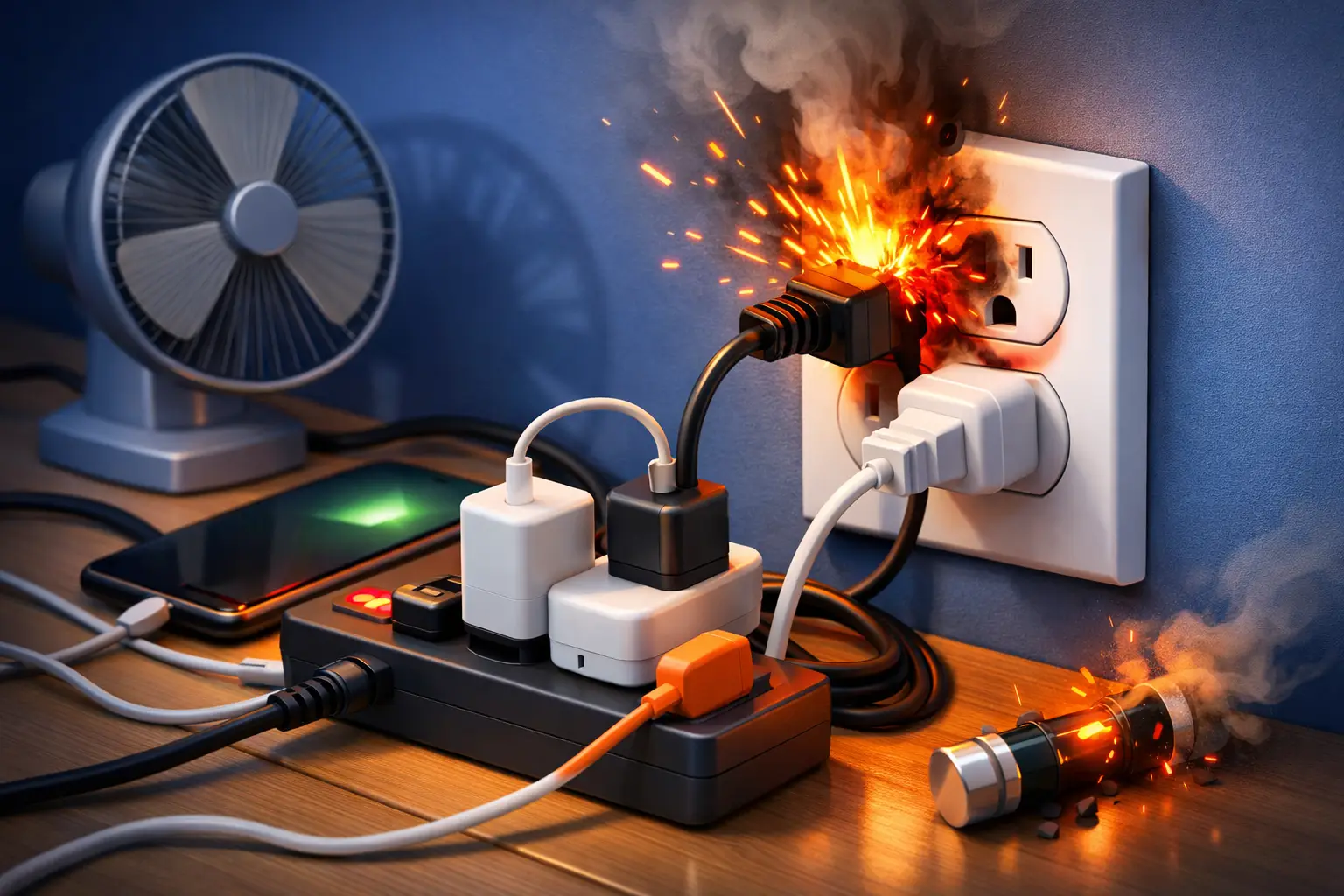
Electrical accessories should not become noticeably hot in normal use. A plug that feels mildly warm after a short period may still warrant checking, especially where a high-load appliance is connected. A hot socket, discoloured faceplate, softened plastic or scorch marks demand immediate action.
Turn off the supply to the affected circuit if it is safe to do so, unplug equipment without touching damaged areas, and arrange urgent electrical assistance. Do not continue using the socket or attempt a temporary repair with tape or replacement parts unless you are competent and authorised to do so.
Lights can dim briefly when a powerful appliance starts, particularly in older installations. However, frequent flickering, lights changing brightness when equipment is used, or fittings that cut in and out should be investigated.
These symptoms may reflect high demand on a shared circuit, loose connections or another electrical fault. LED lamps can also flicker because of an incompatible dimmer or failed lamp, so the cause is not always an overload. The pattern is useful: if several lights or sockets are affected together, the circuit needs professional assessment.
Buzzing from a consumer unit, socket or switch is never a sound to ignore. Crackling, sizzling, acrid smells and visible smoke can indicate overheating or arcing, where electricity jumps across a poor connection. These are fire-risk warning signs rather than routine maintenance issues.
If you can do so safely, isolate power at the consumer unit. Keep clear of the affected equipment, do not use water on an electrical fire, and contact an emergency electrician. If there is smoke, fire or immediate danger, leave the property and call the emergency services.
Extension leads are useful for temporary, low-demand needs. They are not a permanent substitute for sufficient fixed sockets. Daisy-chaining adaptors, plugging extension leads into other extension leads, or running heaters, kettles, tumble dryers and other high-load equipment from them can overload both the lead and the socket circuit.
This is particularly common in home offices, rented rooms, retail counters and older commercial spaces where the number of devices has grown over time. More sockets alone are not always the answer. The circuit capacity, cable routes and expected load should be considered as part of the installation design.
In properties with older fuse boards, an overloaded circuit may cause a fuse to operate. Never replace a fuse with one of a higher rating in an attempt to stop it blowing. The rating is there to protect the cable, not to accommodate more appliances.
Appliances that repeatedly lose power, chargers that become unusually hot, or equipment that behaves inconsistently may also be connected to an overloaded or faulty circuit. Test by removing non-essential loads, but do not dismantle sockets or consumer unit components to diagnose the problem.
Overloads tend to occur where electricity use changes faster than the installation does. A kitchen with multiple countertop appliances, a loft conversion, an added shower, electric heating, EV charging, server equipment or a growing commercial workstation area can all increase demand.
Landlords should pay particular attention after a change in occupancy or layout. A property that was safe for one household may be used very differently by several sharers. Likewise, a shop or office can acquire extra displays, refrigeration, printers or portable heating without reviewing the circuits serving them.
Older wiring does not automatically mean an unsafe installation, but it should be assessed against its condition and current use. An Electrical Installation Condition Report can identify concerns such as overloaded circuits, damaged accessories, inadequate protection and signs of deterioration. For businesses and landlords, regular inspection also supports safer management of ongoing compliance responsibilities.
First, reduce the load. Switch off appliances on the affected circuit and unplug non-essential items. Avoid using high-wattage equipment together, especially heaters, cooking appliances and drying equipment. If the circuit can be reset and remains stable after reducing demand, keep usage low until the cause has been reviewed.
Do not ignore a breaker that will not reset, trips immediately, or is linked with heat, smell, noise, discolouration or damage. These signs may indicate something other than a straightforward overload. A certified electrician can carry out testing safely, inspect the consumer unit and accessories, and determine the correct repair.
The solution might be as simple as replacing a defective appliance or redistributing everyday use. In other cases, the right answer is additional sockets on a suitably designed circuit, a dedicated circuit for a high-load appliance, repairs to damaged wiring, or a consumer unit upgrade with appropriate protection. The correct option depends on the existing installation, the property’s supply capacity and the loads involved.
Good electrical habits reduce avoidable risk. Spread high-demand appliances across appropriate circuits rather than relying on one bank of sockets. Use quality extension leads only when necessary, fully unwind cable reels before use with significant loads, and never cover leads or run them where they can be crushed or damaged.
For planned improvements, involve an electrician before installing an electric shower, induction hob, air conditioning, EV charger, new kitchen equipment or additional office facilities. Planning the electrical work at the outset is safer and usually more cost-effective than correcting overloaded circuits after the space is in use.
If overloaded circuit symptoms are appearing in your London property, treat them as a reason to pause, reduce demand and get the system checked. Prompt, qualified attention can turn a recurring nuisance into a clear, safe solution before it becomes an urgent fault.
Learn the most common power surge causes in London properties, the warning signs to act on, and how certified protection keeps people and equipment...
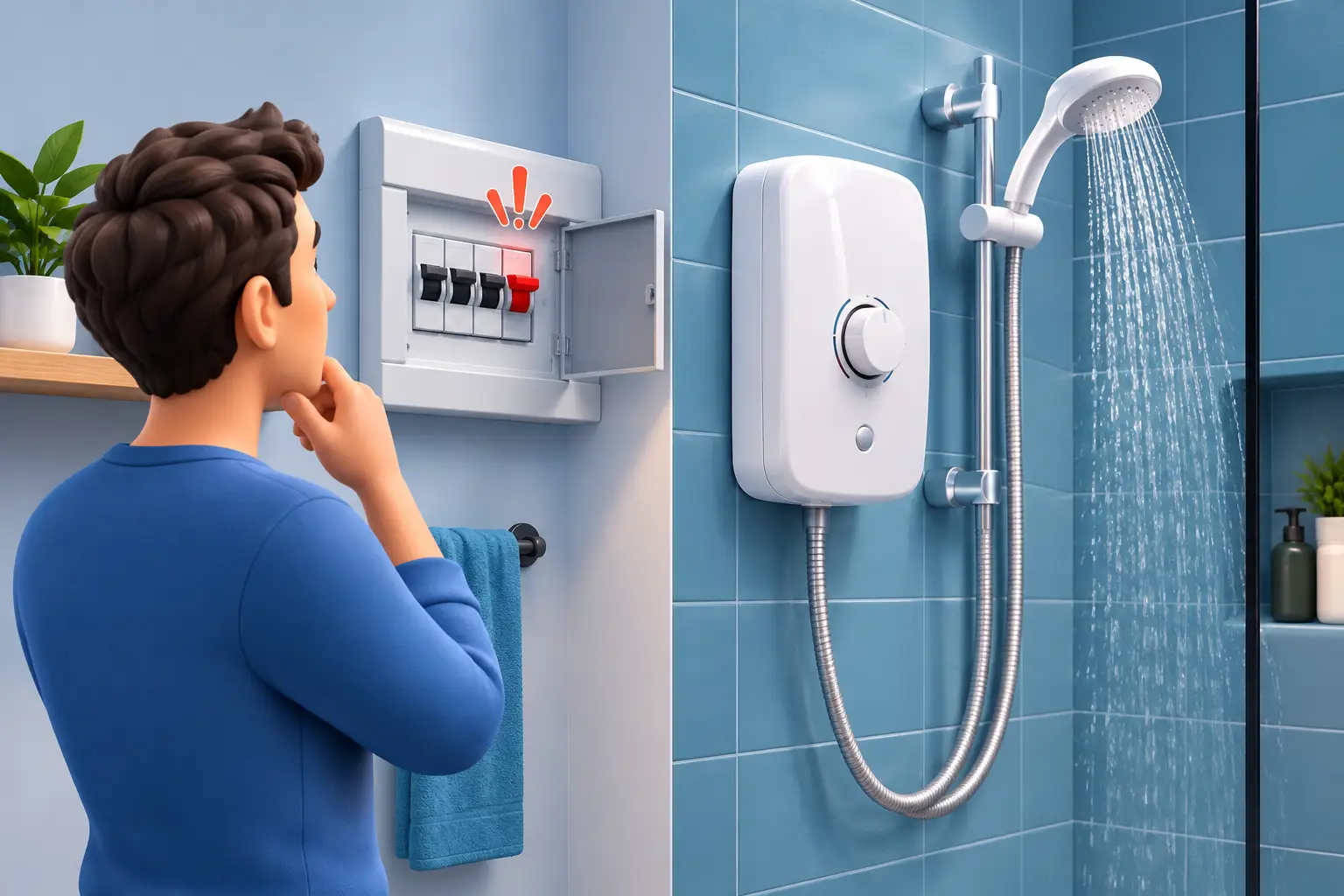
Electric shower keeps tripping? Learn the likely causes, what you can safely check and when to call a qualified London electrician for a lasting...

Why are sockets sparking suddenly? Learn the likely causes, what to switch off immediately and when to call a certified London electrician for help...