November 7, 2026

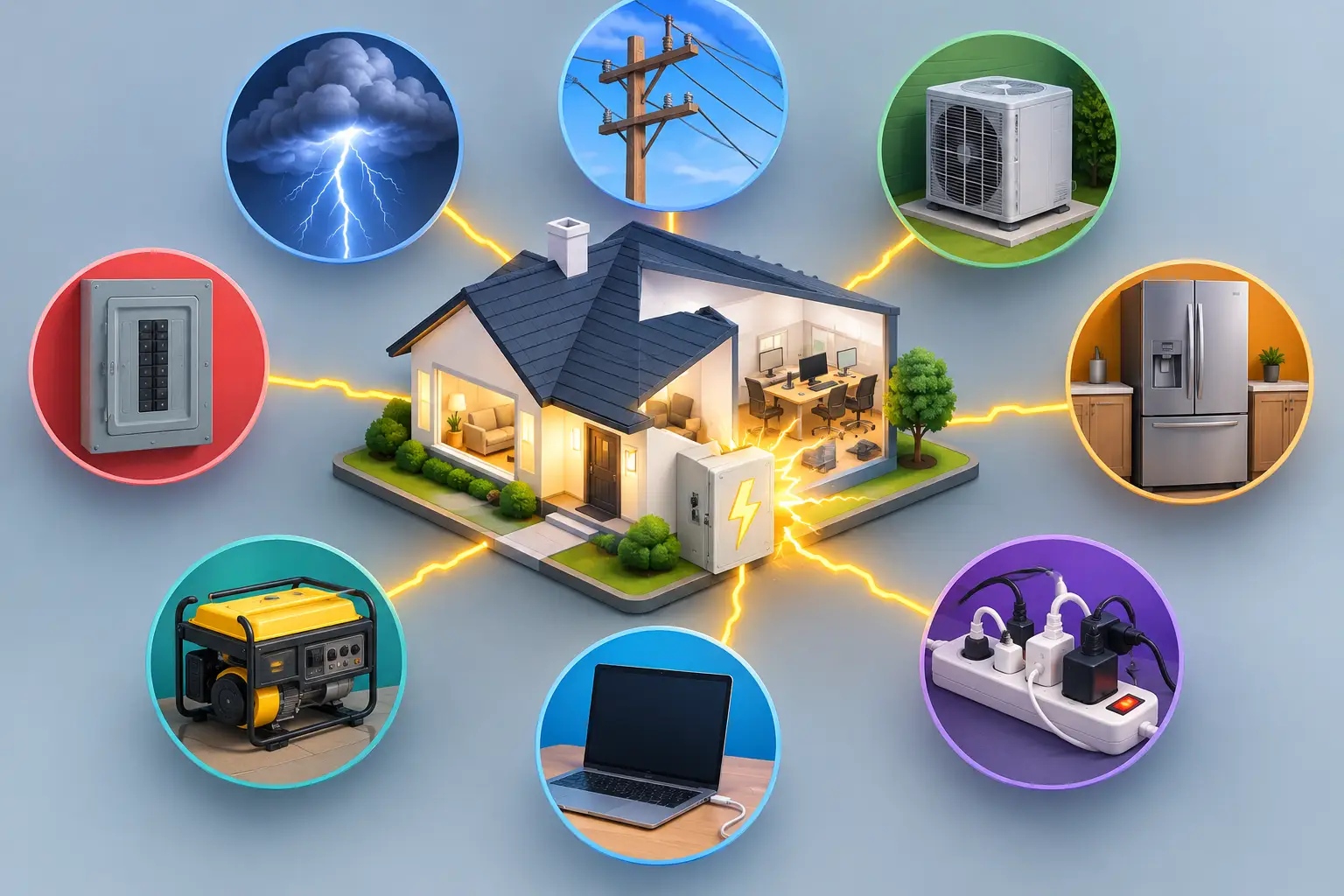
Learn the most common power surge causes in London properties, the warning signs to act on, and how certified protection keeps people and equipment...






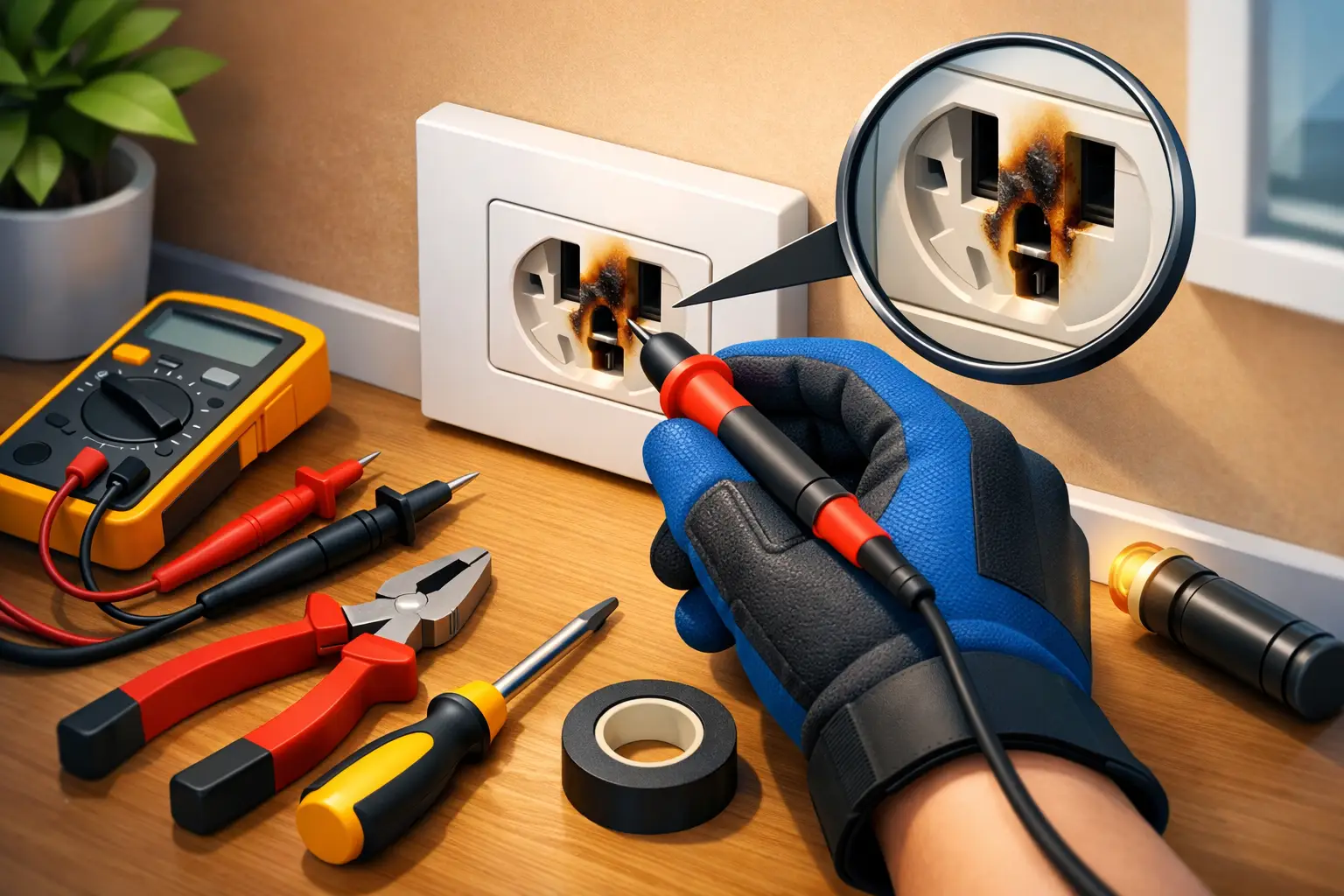
A cracked faceplate may look like a small cosmetic issue, but a socket is part of a live electrical installation. Damage can expose conductive parts, indicate overheating behind the wall, or allow a plug to make an unreliable connection. Knowing how to inspect damaged sockets safely helps you decide whether the issue can wait for a planned repair or needs an electrician immediately.
For homeowners, landlords and business owners, the key point is simple: inspect what you can see without dismantling anything. If there is any sign of heat, burning, moisture or electrical instability, stop using the socket and arrange professional help.
Start by unplugging anything connected to the socket. Hold the plug itself rather than pulling on the cable, and do not touch any damaged area while a plug is still inserted. If the plug feels stuck, the socket is loose, or the faceplate is cracked around the pins, do not force it. Switch off the relevant circuit at the consumer unit if you can identify it safely.
If you are unsure which circuit supplies the socket, or the consumer unit has no clear labels, leave the socket alone and contact a qualified electrician. Guesswork around electrical circuits is not worth the risk, particularly in older London properties where alterations and extensions may have changed the original wiring layout.
Keep children, pets and anyone not involved away from the area. Do not cover a damaged socket with tape, furniture or a decorative cover. Covering the warning sign does not remove the fault and can allow heat to build up unnoticed.
A visual inspection should be calm and thorough, but it must remain external. You do not need to remove the faceplate, undo screws or put anything into the socket openings to identify the common signs of damage.
Look closely at the faceplate. Hairline cracks, chips around the pin holes, missing sections of plastic, scorch marks and discolouration all justify further attention. Yellowing can occur with age, but brown or black marks, especially around one pin opening, may point to overheating or arcing.
Check whether the socket sits firmly against the wall. A faceplate that moves when touched lightly, appears crooked, or has gaps around its edge may have loose fixings or damaged back-box connections. Do not press it back into place. Movement can strain cables behind the plate and make an existing issue worse.
Then inspect the plug and lead of the appliance that was connected. A melted plug, bent pin, frayed cable or smell of hot plastic may be the cause of the problem rather than the socket itself. In practice, both may need attention. Reusing a damaged plug with another socket can transfer the risk elsewhere in the property.
A torch can help you see the faceplate and surrounding wall clearly, but never shine tools or objects into the socket openings. The inspection is about spotting visible evidence, not probing for a fault.
Some symptoms mean the socket should not be used again until it has been checked by a competent electrician. These include a burning smell, buzzing or crackling, smoke, sparks, a warm or hot faceplate, tripping circuit breakers, or visible melting.
Turn off the circuit at the consumer unit if it is safe to do so. If you see smoke, flames or active sparking, move people away from the area and call the emergency services. Do not use water on an electrical fire. Once the immediate danger is under control, arrange an emergency electrical inspection.
Repeated tripping also deserves attention, even if the socket looks undamaged. A protective device trips for a reason: it may be reacting to an overloaded circuit, a faulty appliance, damaged cable, moisture ingress or a fault within the socket accessory.
The location of the socket often provides useful clues. In kitchens, utility rooms, bathrooms-adjacent areas, basements and commercial premises, moisture and condensation can affect electrical accessories. Look for staining, damp patches, peeling paint or signs of a leak near the socket. Water and electricity are a serious combination, so do not use the outlet if dampness is present.
Consider what has been plugged into it. High-load appliances such as portable heaters, kettles, microwaves, tumble dryers and extension leads can expose weak connections, especially when used for long periods. A socket should not be overloaded simply because a multi-way adaptor makes more outlets available.
Extension leads are particularly worth checking. Daisy-chaining one extension into another, running leads under rugs, or powering several high-wattage appliances from one outlet can cause overheating. The socket may be showing the symptom, while the load arrangement is the underlying problem.
In offices, shops and rental properties, ask whether users have noticed intermittent power, loose plugs or a smell when specific equipment is used. These details help an electrician diagnose the fault quickly and reduce disruption to the building.
It can be tempting to tighten a loose plate, replace a damaged front or test the outlet with a plug-in device. For most property owners, this is where a safe inspection should end. Work on fixed wiring and sockets can expose you to live conductors, even when a switch appears to be off.
Do not remove the socket cover, attempt to tighten terminal screws, spray cleaning products into the openings, or insert a screwdriver, tester or any other object into the socket. Do not continue using a socket that only works when a plug is held at a certain angle. That is a strong indication that the connection needs professional repair.
A plug-in socket tester can sometimes flag obvious wiring issues, but it is not a full safety assessment and cannot confirm that a circuit is safe. It may also give false reassurance where faults are intermittent or located behind the accessory. A qualified electrician uses appropriate test equipment and follows safe isolation procedures before working on the circuit.
A superficial mark on an otherwise firm, cool and reliable faceplate may be suitable for a booked replacement, provided there is no cracking, heat damage or loss of function. Even then, it is sensible to avoid using it until it has been assessed, particularly in a busy household or commercial setting.
A loose socket, cracked plate, intermittent connection or damaged pin opening should be treated as a prompt repair. Stop using it and arrange an inspection soon. The longer a poor connection carries electrical load, the greater the chance of heat damage developing behind the wall.
Any burning smell, sparking, buzzing, tripping, moisture exposure or visible melting is urgent. Isolate the circuit where safe and seek a rapid response from a certified electrician. This is not a situation to monitor for a few days in the hope that it settles down.
Landlords have a duty to keep the electrical installation safe and must ensure required electrical safety checks are completed for rented homes. A tenant reporting a damaged or overheating socket should be treated as a maintenance priority, with clear advice not to use the outlet until it is inspected.
For commercial operators, a faulty socket can affect staff safety, equipment reliability and business continuity. Portable appliance checks can identify damaged plugs and leads, while periodic inspection and testing of the fixed installation helps uncover issues that are not visible at the faceplate. The right approach depends on the age, use and condition of the premises.
When contacting an electrician, explain what you saw, when it happened and what was connected at the time. Mention any tripping, smells, heat, water leaks or recent electrical work. A photograph of the external damage can also be useful, provided you take it from a safe distance and do not disturb the socket.
An electrician can safely isolate the circuit, inspect the socket and connections, test the wiring, replace damaged accessories and identify whether a wider issue needs attention. EDL Electrical provides responsive electrical repairs and inspections across London, including urgent support where a damaged socket presents an immediate safety concern.
A socket should be easy to forget about when it is working properly. If it becomes loose, hot, noisy or visibly damaged, treat that change as useful information from your property and act before a small defect becomes a larger electrical fault.
Learn the most common power surge causes in London properties, the warning signs to act on, and how certified protection keeps people and equipment...
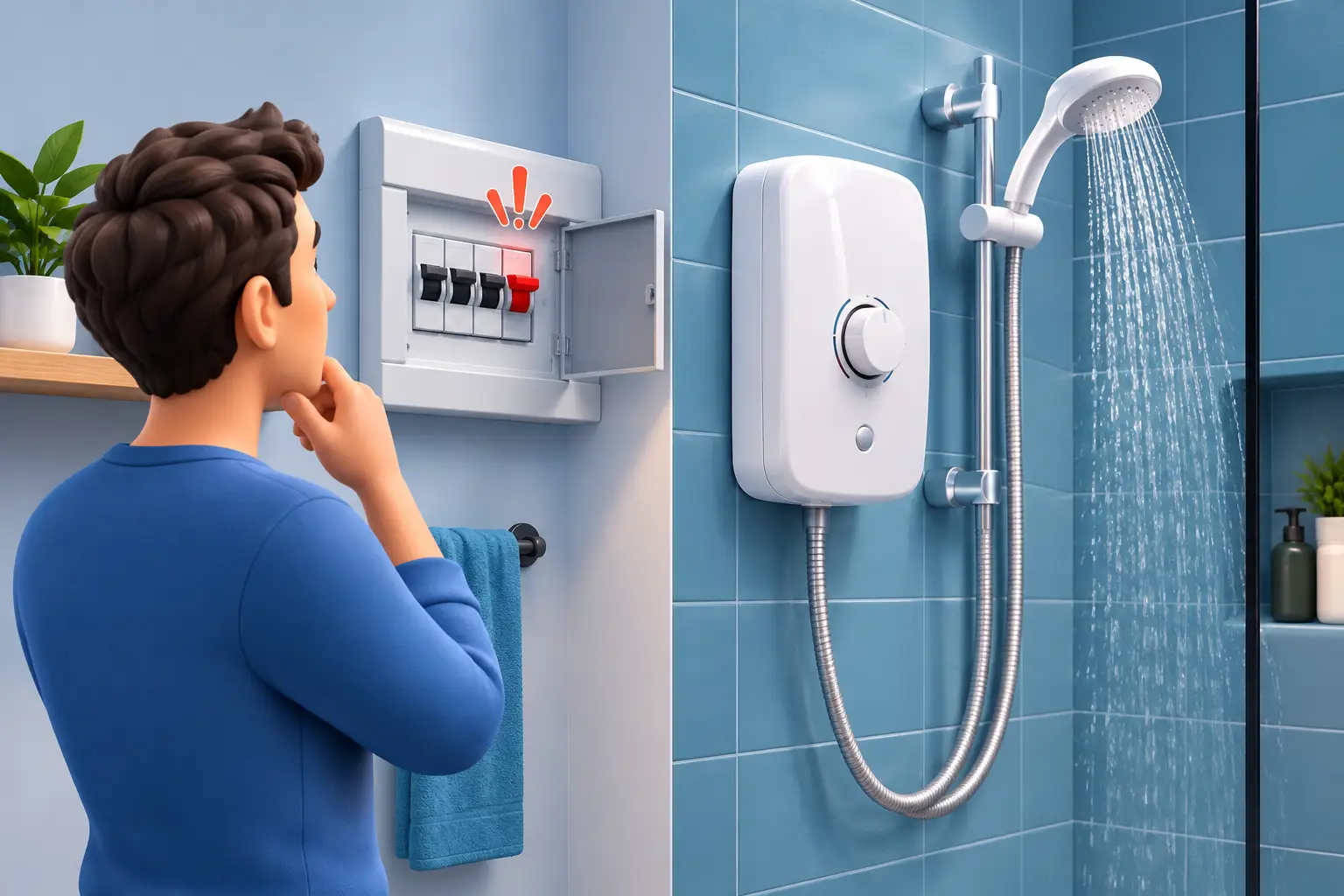
Electric shower keeps tripping? Learn the likely causes, what you can safely check and when to call a qualified London electrician for a lasting...

Why are sockets sparking suddenly? Learn the likely causes, what to switch off immediately and when to call a certified London electrician for help...