September 22, 2026

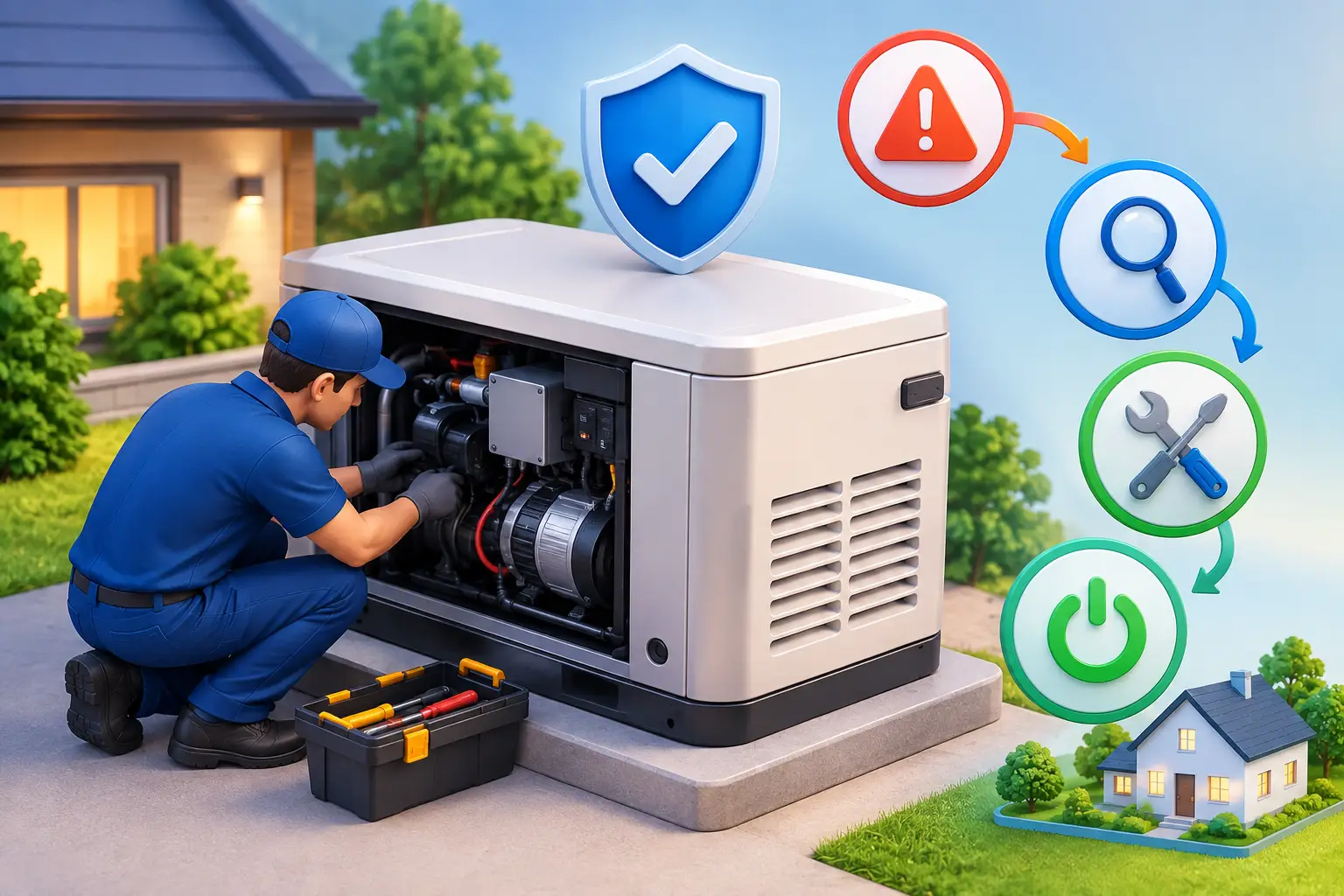
Generator failure recovery for London homes and businesses: immediate safety steps, fault checks and when to call a qualified electrician for urgent help.








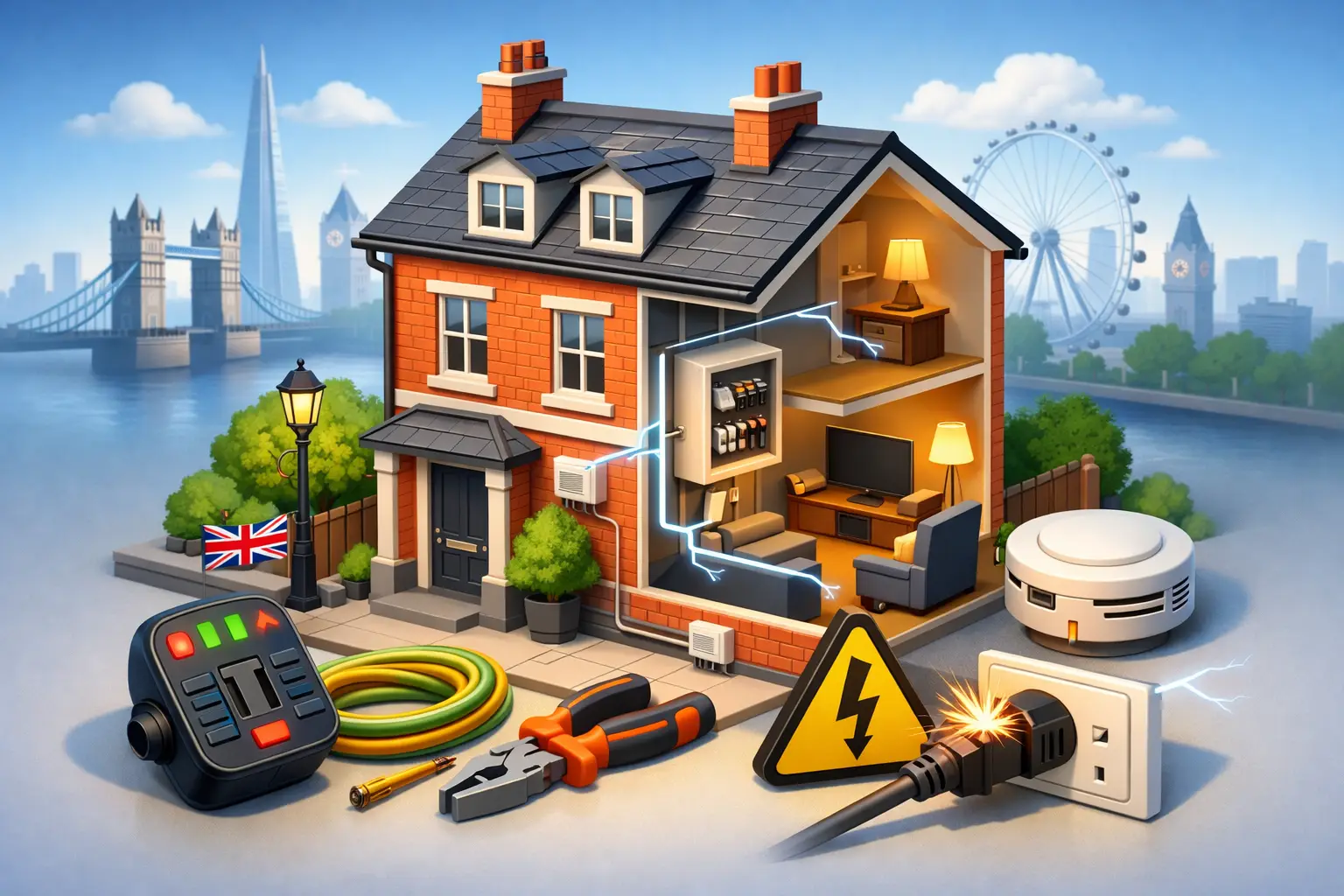
A warm socket, a breaker that keeps tripping, or lights that briefly dim when an appliance starts are not small irritations to ignore. They can be early warning signs of an overloaded circuit, a loose connection or ageing wiring. This home electrical safety guide is designed for London homeowners, landlords and property managers who want to recognise risks early and make sound decisions about when professional help is needed.
Electrical systems tend to stay out of sight until something goes wrong. That is exactly why routine checks, sensible use and properly certified work matter. A safe installation protects people first, but it also protects your property, appliances and ability to meet landlord responsibilities.
Your consumer unit, sometimes called a fuse box, is the control centre of the property’s electrical installation. It should be accessible, clearly labelled and free from signs of overheating, damage or moisture. Do not store household items in front of it, particularly in a cupboard where access may be needed quickly.
Modern consumer units commonly include RCDs or RCBOs. These protective devices disconnect the supply rapidly when they detect a fault that could cause electric shock. They do not remove every risk, but they offer a vital extra layer of protection. Older properties across London may still have dated fuse boards without modern RCD protection, especially where no substantial upgrade has taken place for many years.
Test RCDs using the marked test button at intervals recommended by the manufacturer. The device should switch off. If it does not, or if a circuit will not reset after tripping, do not keep forcing it back on. Unplug appliances on that circuit where safe to do so, then arrange for a qualified electrician to investigate the cause.
The safest electrical habits are usually straightforward. Avoid overloading extension leads and multi-socket adaptors, particularly with high-demand appliances such as kettles, portable heaters, microwaves, washing machines and tumble dryers. An extension lead may appear convenient, but it is not a permanent answer to a shortage of sockets.
Check leads, plugs and sockets as part of normal housekeeping. A cracked plug, exposed cable, loose socket faceplate or scorch mark deserves attention. Stop using the item immediately rather than covering the problem with tape or continuing until it fails completely.
Keep electricity well away from water. This is particularly relevant in kitchens, bathrooms, utility rooms and outdoor areas. Never use damaged appliances near a sink, and do not operate switches or plug in equipment with wet hands. Bathroom electrical work is subject to strict location-based rules, so changes to lighting, extractors, shaver points or underfloor heating should be planned and installed correctly.
Portable heaters need particular care during colder months. Place them on a stable, level surface, keep them away from bedding, curtains and furniture, and connect them directly to a suitable wall socket. Never cover one to dry clothes. If a room needs regular portable heating, it is worth considering whether the underlying heating or electrical provision needs a longer-term solution.
Electrical faults do not always announce themselves with a complete power cut. Watch for repeated tripping, flickering lights, buzzing or crackling sockets, a burning smell, discolouration around accessories, shocks or tingles from appliances, and switches that feel unusually warm.
One isolated event can have an innocent explanation. A single tripped circuit after a faulty toaster is different from a circuit that trips each evening with no obvious appliance connected. The pattern matters. Repeated faults point to a problem that needs diagnosis, not guesswork.
If you notice smoke, sparks, a burning smell or visible arcing, switch off the supply at the consumer unit only if it is safe to do so. Do not touch damaged equipment, metal fittings or exposed wiring. Evacuate the property and call emergency services if there is fire, smoke or an immediate danger to life. For urgent faults without fire, a 24/7 emergency electrician can isolate the issue and make the installation safe.
Replacing a standard light bulb or carefully changing an accessible appliance fuse are everyday tasks. Altering fixed wiring, adding sockets, changing a consumer unit, installing a shower circuit or modifying kitchen and bathroom electrics is different. These jobs can involve legal requirements, testing and certification under Building Regulations and BS 7671 standards.
The trade-off with unqualified work is rarely worth it. A quick alteration may appear to work, yet leave loose connections, inadequate earthing, overloaded cables or missing protection hidden behind a wall. Those defects can take months to reveal themselves, often when the circuit is under heavier load.
Use a competent, certified electrician for fixed electrical work. On completion, keep any electrical installation certificates, minor works certificates and inspection reports with your property records. They are useful for future maintenance, sales, insurance queries and landlord compliance.
London contains a wide range of housing, from Victorian terraces and mansion blocks to newly converted flats. Older properties are not automatically unsafe, but their electrical installations may have been extended in stages to accommodate modern demand. A house designed long before home offices, induction hobs, EV chargers and multiple entertainment devices may need a careful review of circuit capacity.
Common concerns include old rubber or fabric-insulated cable, dated accessories, insufficient sockets leading to adaptor use, poor earthing and consumer units that lack RCD protection. In flats, work can also affect communal supplies, shared risers, fire stopping and access arrangements. That makes clear planning and professional assessment particularly important.
A full rewire is not always necessary. It depends on the condition of the wiring, the test results, the age of the installation, planned alterations and how the property is used. An Electrical Installation Condition Report, or EICR, provides a structured assessment and identifies observations by severity. It is a practical starting point when you are unsure whether repairs, upgrades or more extensive work are required.
For rented homes in England, landlords must ensure the fixed electrical installation is inspected and tested at least every five years by a qualified person, with the appropriate report provided to tenants and retained for records. New tenancies, remedial works and local authority requests can create additional deadlines, so records should be organised rather than left until renewal time.
Landlords should also make it easy for tenants to report faults. A tenant may not know that a repeatedly tripping RCD or a loose socket is significant. Clear reporting routes and prompt action reduce risk and prevent a minor fault becoming an emergency callout.
Tenants, meanwhile, should avoid unauthorised alterations and report damaged sockets, persistent faults and signs of overheating without delay. Portable appliances belong to a separate maintenance consideration, but the fixed installation remains the landlord’s responsibility.
Many electrical safety issues arise because a property’s use changes while its installation does not. A loft conversion, new kitchen, electric shower, air conditioning unit, garden office or EV charger can place substantial demand on existing circuits. Adding another socket to an already heavily used circuit may not be the right answer.
Before work begins, an electrician should assess the supply capacity, consumer unit, cable routes, protective devices and earthing arrangements. This is especially relevant in London properties where space is limited and previous alterations may not be well documented. Proper design may cost more than a quick fix, but it helps prevent nuisance tripping, damage and future disruption.
Surge protection can also be worth discussing where a property has sensitive electronics, smart-home equipment or valuable appliances. It cannot guarantee protection from every event, but it can reduce the risk from transient overvoltages within an installation.
A safe property is not one where nothing ever trips or needs attention. It is one where warning signs are taken seriously, circuits are not pushed beyond their purpose and qualified help is called before a fault escalates. For homeowners, landlords and managers, that approach brings reassurance as well as safer day-to-day living.
If something does not look, sound or smell right, trust that instinct. Isolate the issue where it is safe to do so, avoid makeshift repairs and arrange a professional inspection. Small decisions made early are often what keep an electrical fault from becoming a costly or dangerous problem.
Generator failure recovery for London homes and businesses: immediate safety steps, fault checks and when to call a qualified electrician for urgent help.

Security lighting helps London homes and businesses deter intruders, protect access routes and improve visibility. Guidance on choosing and proper upkeep.
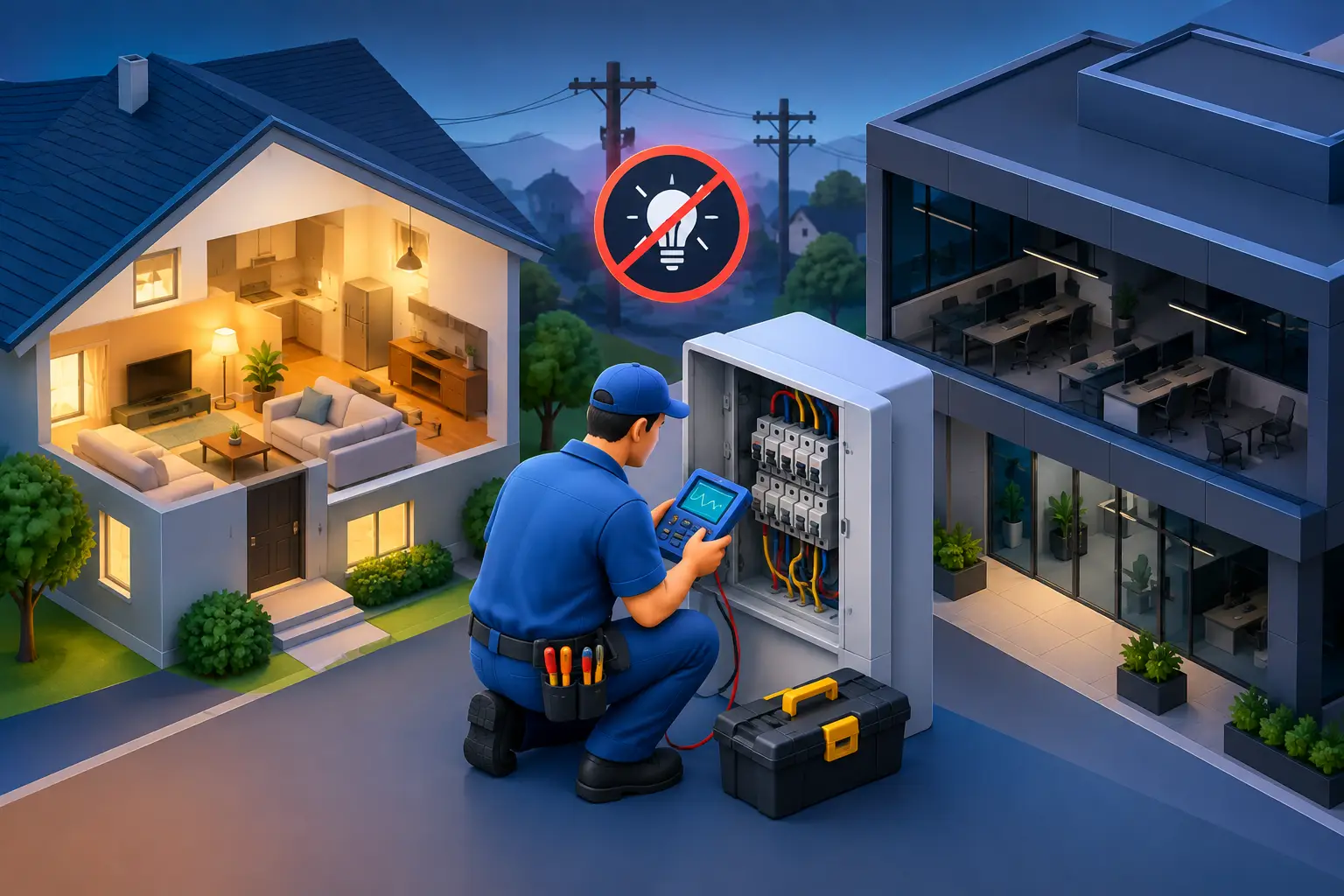
Need power cut fault diagnosis in London? Learn how to check your consumer unit safely, spot urgent risks and know when to call a...