
September 22, 2026

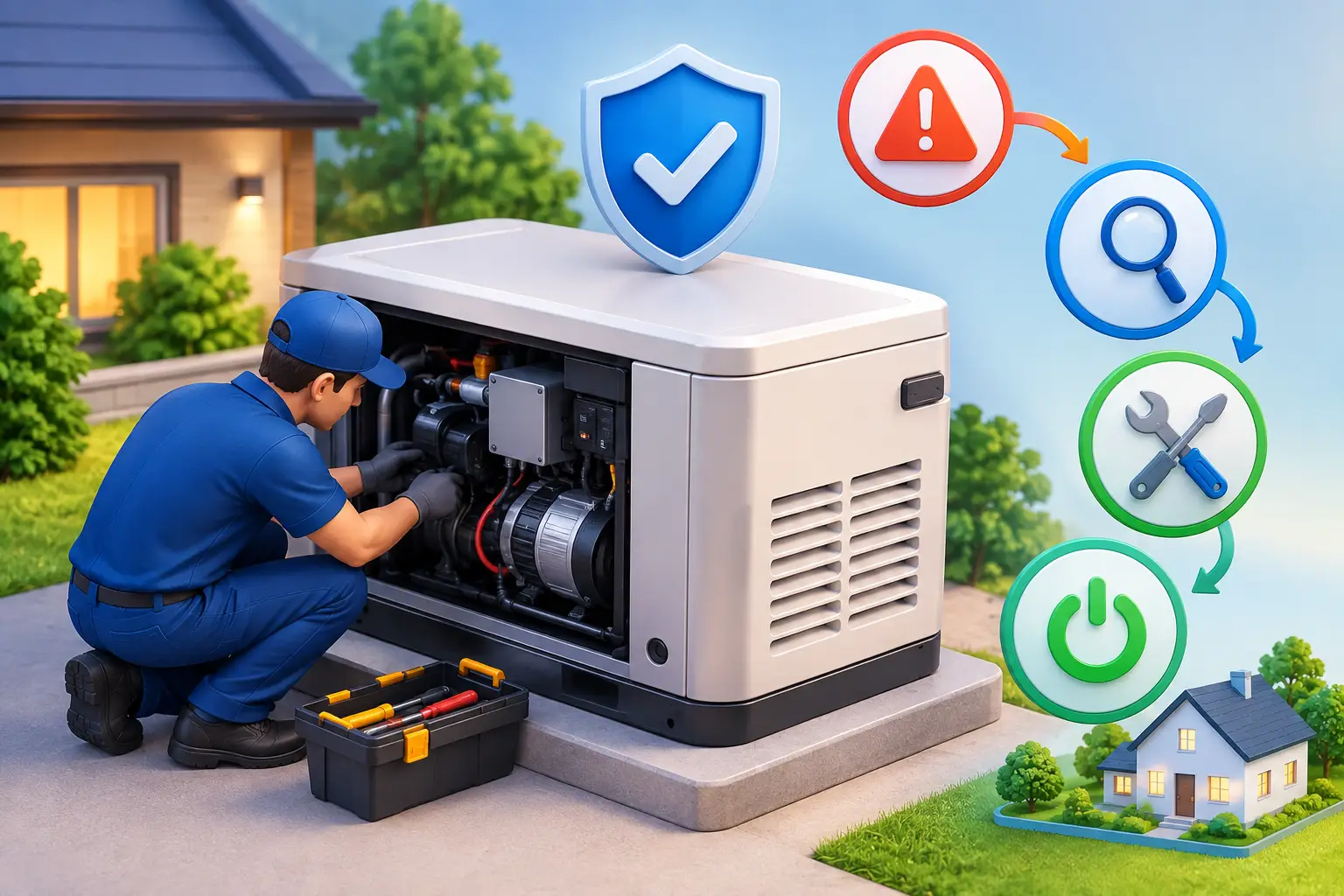
Generator failure recovery for London homes and businesses: immediate safety steps, fault checks and when to call a qualified electrician for urgent help.







A consumer unit that looks tidy can still conceal a loose connection, ageing wiring or a circuit that no longer meets the demands placed on it. Electrical inspections give homeowners, landlords and business owners a clear picture of what is happening behind sockets, switches and distribution boards – before a fault becomes a safety issue or disruptive emergency.
For London properties in particular, the mix of older housing stock, converted flats, extensions, rental homes and busy commercial premises makes regular electrical inspections a sensible part of property maintenance. They are not simply a formality for paperwork. A properly completed inspection helps identify deterioration, incorrect alterations and risks that may not be visible during everyday use.
An Electrical Installation Condition Report, usually called an EICR, assesses the fixed electrical installation in a property. This includes the consumer unit or distribution board, wiring, sockets, switches, lighting circuits, earthing and bonding, and fixed equipment such as electric showers or hard-wired appliances where applicable.
A qualified electrician will begin with a visual inspection, looking for signs of overheating, damaged accessories, unsuitable wiring methods, missing covers, overloaded circuits and previous work that does not appear safe. They then carry out a series of tests to confirm that protective devices, earthing arrangements and circuit connections are operating as they should.
The process may require circuits to be switched off temporarily. In a home, this is usually manageable with some planning. In an office, shop, restaurant or other trading premises, inspections may need to be arranged outside busy hours or completed in stages to minimise disruption. The right approach depends on the size of the installation, access to equipment and the practical needs of the building.
An EICR is different from a quick visual check and different again from portable appliance testing. PAT testing concerns plug-in appliances, while an electrical inspection focuses on the permanent wiring and electrical infrastructure that supplies them. Both may be useful, particularly in a workplace or rental property, but one does not replace the other.
Electrical systems wear gradually. Connections can loosen through heat cycles, cables can be damaged by building work, and older protective devices may not offer the level of protection expected in a modern installation. A property can seem to work normally while a hidden issue is developing.
Common concerns found during inspections include inadequate earthing, damaged cables, circuits without suitable additional protection, overloaded consumer units and signs of overheating at connections. These defects can increase the risk of electric shock, fire or unexpected loss of power.
There is also the question of how a property has changed. A house that once had modest electrical demand may now support home working, induction cooking, electric heating, a loft conversion, an EV charger or more outdoor lighting. Commercial sites often change even faster, with new equipment, displays, IT systems or machinery added over time. Electrical capacity and circuit protection should be reviewed when demand changes, rather than assumed to be sufficient.
An inspection does not mean every older installation must be completely rewired. That would depend on its condition, test results and suitability for continued use. In some cases, targeted repairs or a consumer unit upgrade may be the right solution. In others, extensive deterioration or unsafe wiring may justify partial or full rewiring. A clear report allows decisions to be based on evidence rather than guesswork.
Landlords in England must have the electrical installation in their rented properties inspected and tested at least every five years by a qualified person. They must also provide the required report to tenants and follow the duties that apply when remedial work is identified. For landlords and managing agents, booking early helps avoid rushed renewals, void-period delays and uncertainty over compliance.
Homeowners are not generally subject to the same fixed legal interval, but an EICR is strongly worth considering when buying an older home, before major renovation work, after flooding or fire damage, or if the installation has not been inspected for many years. It is also sensible to arrange one if fuses or breakers trip regularly, sockets feel warm, lights flicker without an obvious cause, or there is a burning smell near electrical equipment. If there is an immediate danger, switch off the affected circuit if it is safe to do so and call an emergency electrician.
For commercial premises, the appropriate inspection frequency depends on the type of building, how it is used and the level of risk. A quiet office, a retail unit, a workshop and a restaurant kitchen do not place the same demands on an installation. Insurance requirements, internal safety procedures and industry-specific obligations can also affect the inspection schedule. A competent electrician can advise on a proportionate interval after assessing the site.
Once testing is complete, the report records the condition of the installation and any observations found. These observations are normally assigned a classification code to show their urgency.
A C1 observation indicates danger is present and immediate action is required. A C2 observation means the issue is potentially dangerous and needs urgent remedial work. FI means further investigation is needed without delay because the electrician cannot confirm the safety of that part of the installation. A C3 observation is an improvement recommendation and does not, on its own, make the report unsatisfactory.
This distinction matters. An unsatisfactory report is not always a sign that an entire property is unsafe to occupy, but it does mean the installation has issues requiring attention before it can be considered satisfactory. Equally, a satisfactory report is not a lifetime guarantee. It reflects the condition of accessible parts of the installation at the time of inspection and should be supported by sensible ongoing maintenance.
The report should be specific enough to help you understand what needs doing and why. If remedial work is recommended, ask for a clear scope of work, the likely urgency and a transparent quotation. Avoid treating the report as a box-ticking exercise. It is a practical record that can guide maintenance spending and help prevent recurring faults.
Good access makes an inspection more thorough and more efficient. Consumer units, meters, distribution boards and fixed electrical equipment should be accessible. In rented homes, tenants should be given reasonable notice and informed that power may be interrupted during testing. For commercial sites, it helps to identify critical equipment in advance, such as servers, refrigeration, alarms or point-of-sale systems.
Do not conceal known faults in the hope of obtaining a better outcome. Tell the electrician about circuits that trip, damaged fittings, previous water leaks, alterations and any areas with restricted access. This information can save time and ensure potential risks receive the right attention.
If the building has been extended, converted or refurbished, gather any available certificates for previous electrical work. Older records may not always be available, especially in long-held London properties, but any documentation can help build a more complete picture of the installation.
Electrical inspections require more than a basic visual assessment. The electrician must be competent to inspect, test, interpret results and issue the appropriate documentation. Certification, experience with the relevant property type and a methodical approach all matter.
For landlords and businesses, reliability is especially important. A missed appointment can affect tenant arrangements, trading hours or compliance deadlines. Look for an electrician who can explain the process clearly, work around operational needs and provide reports promptly. If faults are discovered, it is also useful to have access to a team that can complete remedial work safely and respond quickly if a serious defect or unexpected outage occurs.
EDL Electrical supports London homeowners, landlords and commercial clients with professional inspection, testing and remedial electrical services. The focus should always be on clear findings, practical recommendations and work completed to the required standard – not unnecessary upgrades or confusing technical language.
The best time to arrange an inspection is before a deadline, sale, tenant move-in or emergency forces the issue. Keep the report with your property records, note the next recommended inspection date and act promptly on any urgent observations. That small amount of forward planning protects the people using the building and gives you greater confidence that its electrical system is ready for everyday demand.
Generator failure recovery for London homes and businesses: immediate safety steps, fault checks and when to call a qualified electrician for urgent help.

Security lighting helps London homes and businesses deter intruders, protect access routes and improve visibility. Guidance on choosing and proper upkeep.

Need power cut fault diagnosis in London? Learn how to check your consumer unit safely, spot urgent risks and know when to call a...