September 22, 2026

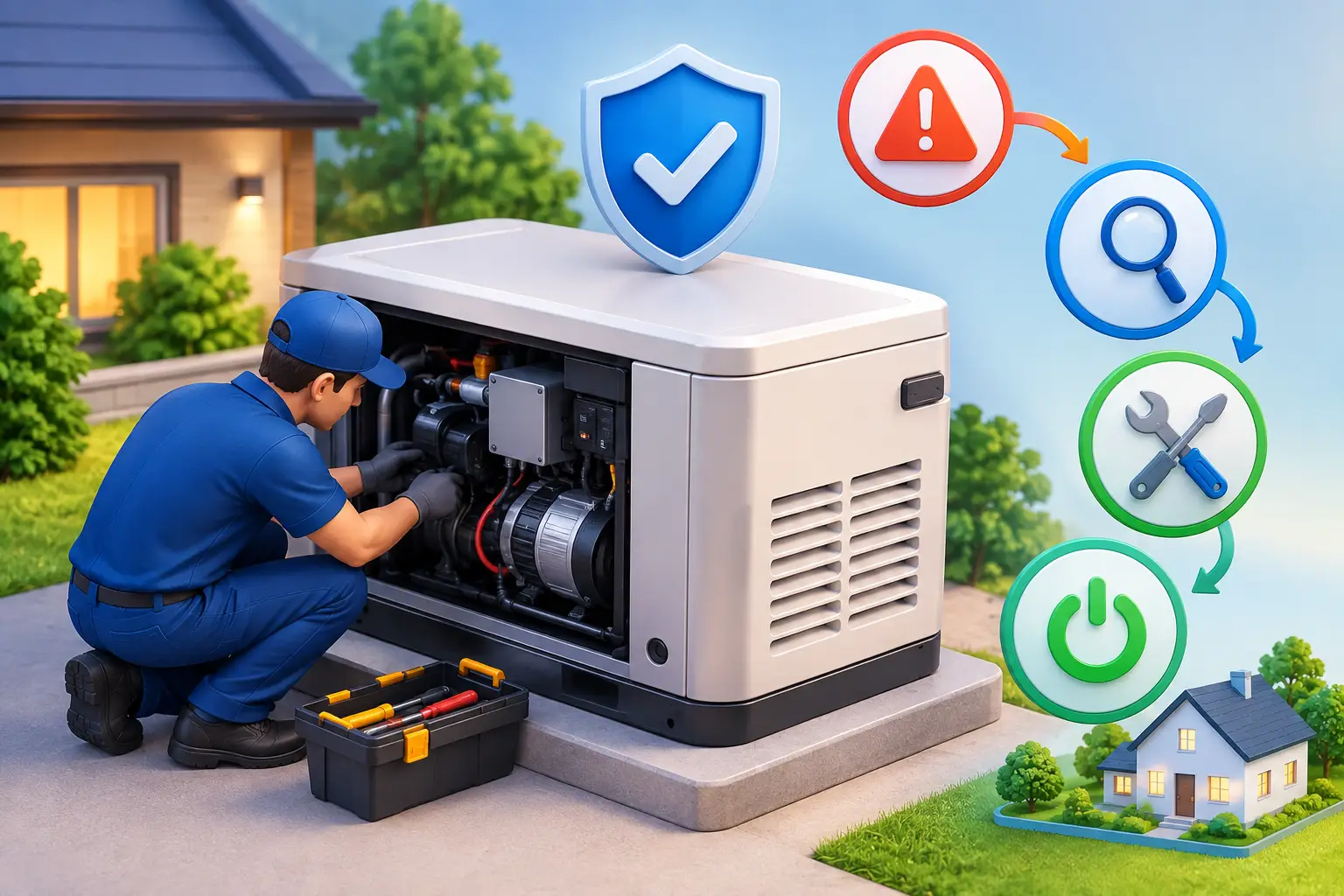
Generator failure recovery for London homes and businesses: immediate safety steps, fault checks and when to call a qualified electrician for urgent help.







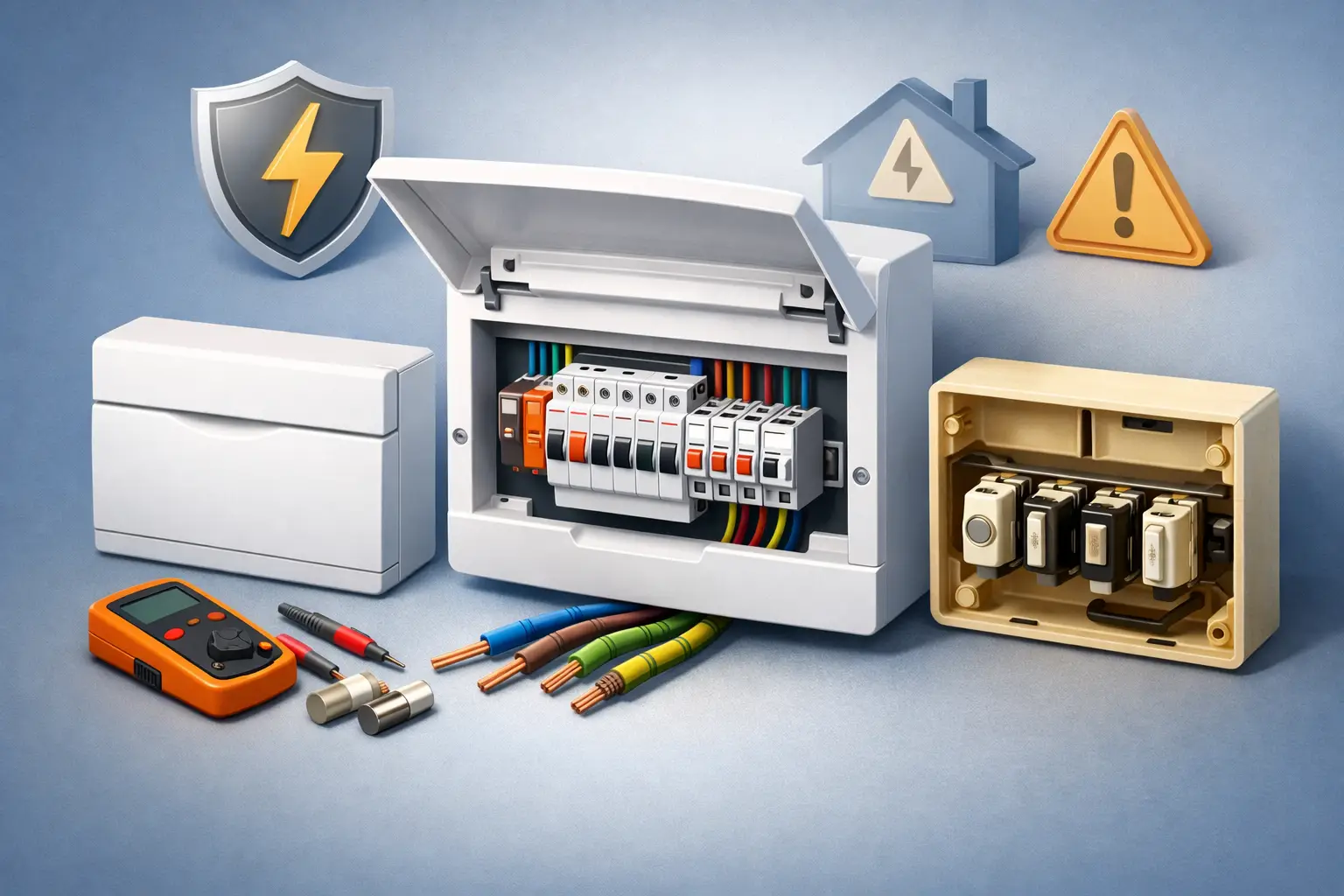
A consumer unit upgrade is not simply a way to make an electrical cupboard look neater. It replaces the point where your property’s electrical circuits are protected and controlled. For London homeowners, landlords and business owners, it can be a decisive safety improvement when an older fuse board no longer provides the protection required by modern electrical standards or modern living.
With more appliances, chargers, kitchen equipment, heating controls and home-working equipment connected than ever, older electrical installations can be placed under pressure they were never designed to handle. The right answer is not always a full replacement, but a qualified electrician can assess the installation and explain whether an upgrade, repairs or wider rewiring work is the sensible next step.
Often called a fuse box or fuse board, the consumer unit distributes electricity from the mains supply to individual circuits around a property. These may include lighting, sockets, a cooker, shower, smoke alarms, immersion heater, outbuildings or fixed equipment in a commercial premises.
Each circuit needs suitable protection. Modern consumer units commonly use miniature circuit breakers (MCBs) and residual current devices (RCDs), or RCBOs that combine both functions. These devices are designed to disconnect power quickly where there is an overload, short circuit or earth fault. They reduce the risk of electric shock and fire, but they cannot correct unsafe wiring elsewhere in the building.
A replacement unit also needs to be correctly selected for the property’s supply, installed to current wiring requirements and labelled clearly. That is why this is not a DIY job or a quick swap for an old board. The condition of the entire installation must be considered before work begins.
Age alone does not automatically mean a consumer unit is unsafe. A well-maintained installation may still be serviceable, while a newer one may need attention after poor workmanship, alterations or damage. However, several warning signs call for a professional inspection.
Rewireable fuse boards with fuse wire, old cartridge fuses, wooden-backed boards and units without RCD protection are common reasons to investigate an upgrade. These arrangements may not offer the level of fault protection expected in a modern property, particularly where circuits have been extended over time.
Frequent tripping is another concern. A circuit breaker that trips occasionally may be responding correctly to a faulty appliance or overloaded circuit. One that repeatedly trips should not be held in place or ignored. The cause needs to be found, whether it is a damaged cable, moisture, a faulty appliance, overloaded usage or a more serious fault.
Other signs include a burning smell, scorching, buzzing, loose fittings, cracked casing, hot switches, flickering lights or visible corrosion. If you notice these, switch off power if it is safe to do so and seek urgent help from a qualified electrician. A consumer unit that shows signs of heat damage requires immediate attention.
For landlords, an unsatisfactory Electrical Installation Condition Report (EICR) may identify consumer unit defects or recommend upgrades. For businesses, changes to equipment, layout or occupancy can reveal that circuits are no longer suitable for the way the premises are being used.
A safe consumer unit replacement starts before the old unit is removed. An electrician should inspect and test the existing circuits to establish whether the wiring, earthing and bonding arrangements are suitable. This is vital because a modern RCD or RCBO may identify faults that an older fuse board did not detect.
If testing reveals issues such as poor insulation resistance, inadequate earthing, incorrect circuit connections or damaged cables, those faults need to be resolved first. This can affect the scope and cost of the work, but it prevents a new consumer unit from being fitted onto an unsafe installation.
Once the installation is confirmed as suitable, the electrician will isolate the supply, remove the existing unit and fit the new consumer unit with appropriate protective devices. Circuits are identified, tested and labelled. Power is then restored carefully, with testing carried out to confirm the installation operates correctly.
Expect planned disruption while the electricity is off. In a straightforward domestic property, this may be completed in a day, but the timeframe depends on the number of circuits, access to the existing board, the condition of wiring and whether remedial work is required. Properties with multiple consumer units, three-phase supplies, outbuildings or complex commercial distribution may need a more detailed programme.
In England, replacement consumer units in dwellings are generally notifiable work under Building Regulations. The work should be completed by a competent, appropriately registered electrician who can test, certify and arrange notification where required. Keep all certificates with your property records. They are useful for future sales, tenancy files, insurance queries and later electrical work.
The best consumer unit is not necessarily the largest or the most feature-heavy. It should be designed around the property’s circuits, supply characteristics and expected use.
For many homes, RCBO protection for individual circuits can be a practical choice. If one circuit develops a fault, it is less likely to take out power to other areas of the property. That can be particularly useful where fridges, freezers, broadband equipment, lighting or smoke alarms need to remain operational. A split-load RCD arrangement can still be suitable in some circumstances, but the decision should follow a proper assessment rather than a standardised approach.
Surge protection is also worth discussing. It can help protect sensitive electronics and connected appliances from transient overvoltage events, although it does not guarantee protection against every type of electrical damage. In properties with smart home controls, EV chargers, solar equipment, office IT or high-value appliances, it is often a sensible part of the conversation.
Fire-resistant metal enclosures are now the usual choice for domestic consumer units. The correct unit also needs adequate capacity for existing and foreseeable circuits. If you are planning a loft conversion, electric heating, an induction hob, garden office, air conditioning or EV charging, raising this before installation can avoid an inconvenient second upgrade later.
A fixed price without an inspection can be misleading. The consumer unit itself is only one part of the job. The final cost depends on the number and type of circuits, required protective devices, access, the condition of existing wiring, whether earthing and bonding need improvement, and the level of testing and certification needed.
A simple replacement in a modern flat with accessible circuits may be relatively straightforward. An older Victorian or Edwardian property can involve more investigation, particularly if there have been several extensions or alterations over the years. Hidden junctions, mixed wiring types and legacy circuits can all add time.
The lowest quote is not always the best value if it excludes thorough testing, correct certification or necessary remedial work. Ask what is included: the type of consumer unit and circuit protection, testing, labelling, certification, notification where applicable, and how any faults discovered during testing will be handled. Clear scope makes it easier to compare quotes fairly.
For rented homes, electrical safety is a legal responsibility, not a cosmetic upgrade. An EICR helps identify whether the fixed installation is satisfactory and highlights observations that require improvement. A consumer unit upgrade may form part of the remedial work, but it should be based on the report and the actual condition of the installation.
Commercial premises require the same disciplined approach, with additional consideration for staff, customers, business continuity and specialist equipment. Retail units, offices, workshops and mixed-use buildings may have circuits added over many years. A board that is full, poorly labelled or repeatedly tripping can make fault-finding slower and increase operational risk.
Planned electrical work is usually less disruptive and more cost-effective than waiting for a failure. However, if a consumer unit is damaged, overheating or causing widespread loss of power, treat it as an urgent electrical issue rather than waiting for routine maintenance.
A consumer unit is the heart of your electrical installation. Fitting one correctly involves more than connecting cables to breakers. It requires inspection, testing, sound judgement and knowledge of current requirements. It also requires the confidence to stop and investigate when the existing wiring does not test as it should.
EDL Electrical provides consumer unit upgrades across London with safety, clear communication and properly completed electrical work at the centre of the service. Whether you are updating an older home, preparing a rental property or improving a commercial installation, the first step should be a professional assessment of what is already in place.
If your fuse board is showing its age, tripping regularly or no longer suits the way you use the property, arrange an inspection before a small concern becomes a larger electrical fault. A considered upgrade gives you clearer protection, better visibility of your circuits and greater confidence in the system behind your walls.
Generator failure recovery for London homes and businesses: immediate safety steps, fault checks and when to call a qualified electrician for urgent help.

Security lighting helps London homes and businesses deter intruders, protect access routes and improve visibility. Guidance on choosing and proper upkeep.
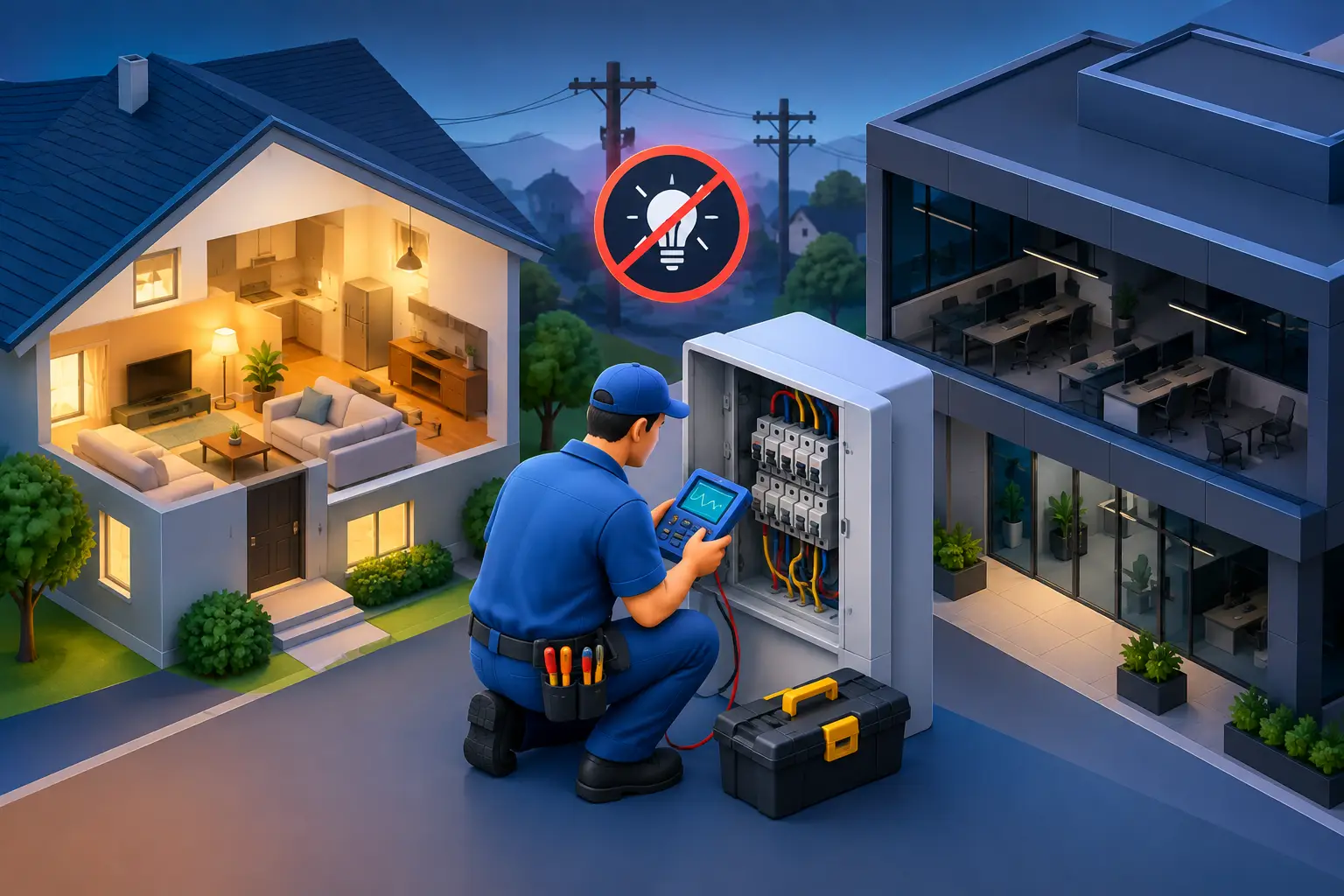
Need power cut fault diagnosis in London? Learn how to check your consumer unit safely, spot urgent risks and know when to call a...