
November 7, 2026

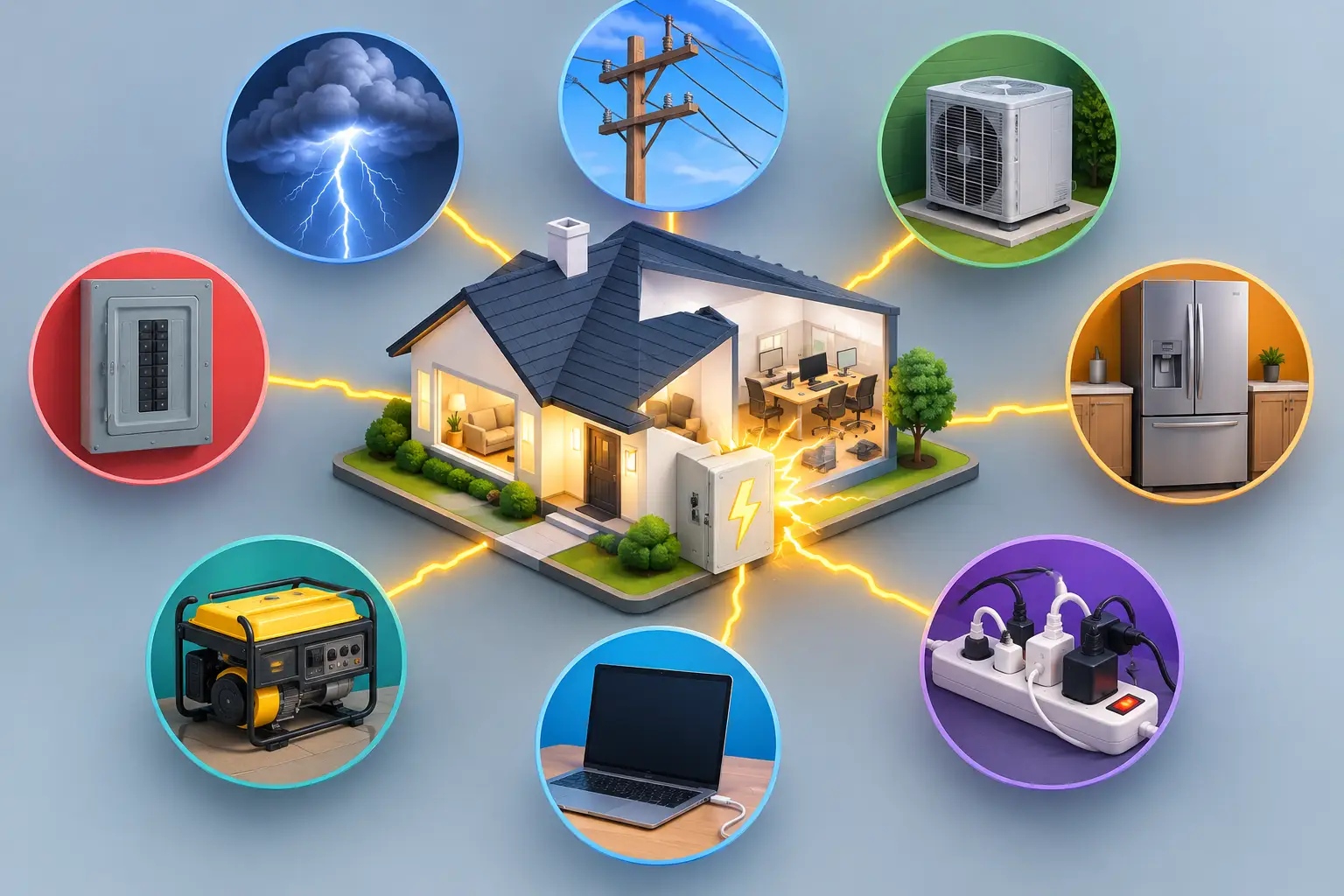
Learn the most common power surge causes in London properties, the warning signs to act on, and how certified protection keeps people and equipment...






A single failed circuit can stop far more than the lights. For a London office, shop, restaurant or managed building, it can interrupt trading, disable essential equipment, create safety risks and leave staff unable to work. This commercial electrical maintenance guide explains how planned maintenance helps businesses stay safe, compliant and operational without waiting for a fault to force an urgent call-out.
Commercial electrical maintenance is not simply a matter of arranging an inspection when something looks wrong. It is a practical programme of checking, testing, repairing and recording the condition of an installation over time. The right plan reflects how the premises are used, the age and condition of the wiring, the equipment connected and the consequences of downtime.
Electrical faults do not always announce themselves with a complete power failure. A breaker that trips occasionally, a socket that feels warm, lights that flicker or a persistent burning smell can all indicate a developing problem. Left unresolved, minor defects can damage equipment, interrupt operations or become a fire and shock hazard.
Employers, landlords and duty holders have responsibilities to ensure electrical systems are maintained so they do not present danger. In practice, this means having a sensible system for inspection, testing and remedial work, rather than relying on informal visual checks or reacting only when a circuit fails.
Planned maintenance also gives you more control over cost and disruption. A scheduled visit can often be arranged outside busy hours, with testing targeted around your operations. Emergency work remains essential when safety or continuity is at risk, but it is rarely the most convenient way to discover that a distribution board is overloaded or that a damaged cable needs attention.
No two buildings need exactly the same programme. A small office with modern wiring has different risks from a busy café with commercial kitchen equipment, or a warehouse with high-level lighting and loading equipment. A competent electrician should assess the installation and recommend an approach based on risk, usage and the findings from previous reports.
The fixed installation includes the cabling concealed in walls and ceilings, switches, sockets, isolators, protective devices and distribution boards. These components should be checked for damage, overheating, loose connections, incorrect labelling, signs of alteration and suitability for the electrical load.
Distribution boards deserve particular attention. Circuits should be clearly identified, unused openings properly blanked and protective devices appropriate for the circuits they serve. Repeated tripping is not a nuisance to be worked around by continually resetting a breaker. It is a signal to investigate the cause.
Periodic inspection and testing of fixed wiring is normally documented in an Electrical Installation Condition Report, commonly known as an EICR. The report records observations, test results and any defects found. Its recommended inspection interval is not a substitute for ongoing maintenance, and the appropriate frequency depends on the premises and how the installation is used.
Emergency lighting must operate when normal lighting fails, allowing people to leave the building safely. It requires routine functional checks and longer duration testing at appropriate intervals, with results recorded in a logbook. A green indicator light alone does not prove that every fitting will provide adequate light for the required duration.
Where electrical systems support fire alarms, smoke ventilation, security shutters or other life-safety functions, maintenance should be coordinated carefully. Isolating a circuit without understanding what it supplies can create a separate risk. Clear circuit schedules and communication with building management are essential before testing begins.
General lighting, socket outlets, switches and fused spurs are often the items staff notice first. A maintenance visit should identify damaged accessories, insecure fittings, poor-quality alterations and areas where the layout no longer suits the way the workspace operates.
Lighting maintenance can also reduce operating costs. Replacing failing fittings with suitable LED alternatives may improve light levels and lower energy use, but the design matters. Warehouses, retail displays, workstations and communal corridors have different illumination needs, so a like-for-like swap is not always the right answer.
Portable appliance testing, or PAT testing, can form part of a wider safety regime for items such as kettles, extension leads, computers, power tools and kitchen equipment. It should be risk-based, not treated as a sticker exercise. Equipment used daily in a workshop or kitchen will need more frequent attention than a low-use device in a supervised office.
Visual checks by staff remain valuable. Frayed leads, cracked plugs, loose sockets, scorch marks and damaged extension leads should be taken out of use and reported immediately. Testing does not make unsafe equipment safe if its condition changes the next day.
A clear schedule avoids both neglect and unnecessary work. Keep it proportionate to your premises, record what has been checked and act on defects within a suitable timeframe. For many commercial sites, the programme will include these distinct activities:
The schedule should be reviewed after a major fit-out, change of tenant, installation of high-load equipment or a significant incident. Adding air conditioning, commercial catering equipment, electric vehicle charging or extra workstations can change demand across the installation. What was suitable when the circuit was installed may no longer provide the right capacity or protection.
Good records make maintenance easier to manage, especially across multi-site portfolios or shared buildings. Keep EICRs, minor works certificates, test results, distribution board schedules, emergency-lighting logs and details of remedial work together. These documents help demonstrate that issues were identified and addressed, while giving the next electrician an accurate picture of the installation.
If an EICR identifies observations, check the classification and recommendation rather than assuming every item has the same urgency. Observations indicating immediate danger require prompt action. Other issues may need improvement or further investigation, but they should still be assessed and planned rather than filed away.
It is also sensible to record recurring faults. If one circuit repeatedly trips during busy periods, note the time, equipment in use and affected area. This can help an electrician distinguish between overload, a faulty appliance, nuisance tripping or a fault in the fixed wiring.
Some electrical issues should not wait for the next maintenance visit. Burning smells, buzzing at a distribution board, visible sparks, electric shocks, smoke, water entering electrical equipment or a loss of power to critical systems all require immediate action. Isolate the affected area if it is safe to do so, keep people away and contact a qualified electrician.
Do not ask staff to remove covers, replace protective devices with higher-rated alternatives or repeatedly reset a tripped breaker. These actions can hide the symptom while increasing the danger. For premises that rely on refrigeration, IT systems, security, emergency lighting or specialist equipment, an emergency response plan should identify who can authorise work and how the business will operate safely during an outage.
Commercial maintenance depends on more than a low initial quote. Choose a contractor with appropriately qualified electricians, commercial experience and a clear approach to certification, testing and communication. They should explain what has been found in plain language, identify safety priorities and provide documentation that can be relied on by property managers, insurers and future contractors.
Availability matters too. Planned visits reduce the likelihood of disruption, but critical faults can still occur without warning. For London businesses, access to responsive emergency electrical support can protect staff, customers and trading when a serious issue develops out of hours.
EDL Electrical supports commercial clients across London with planned maintenance, inspections, repairs and emergency electrical assistance. A well-maintained installation is easier to manage, safer to use and less likely to disrupt the work your premises are there to support. Start by reviewing your current records and recurring faults, then arrange a professional assessment before the next small issue becomes a costly interruption.
Learn the most common power surge causes in London properties, the warning signs to act on, and how certified protection keeps people and equipment...
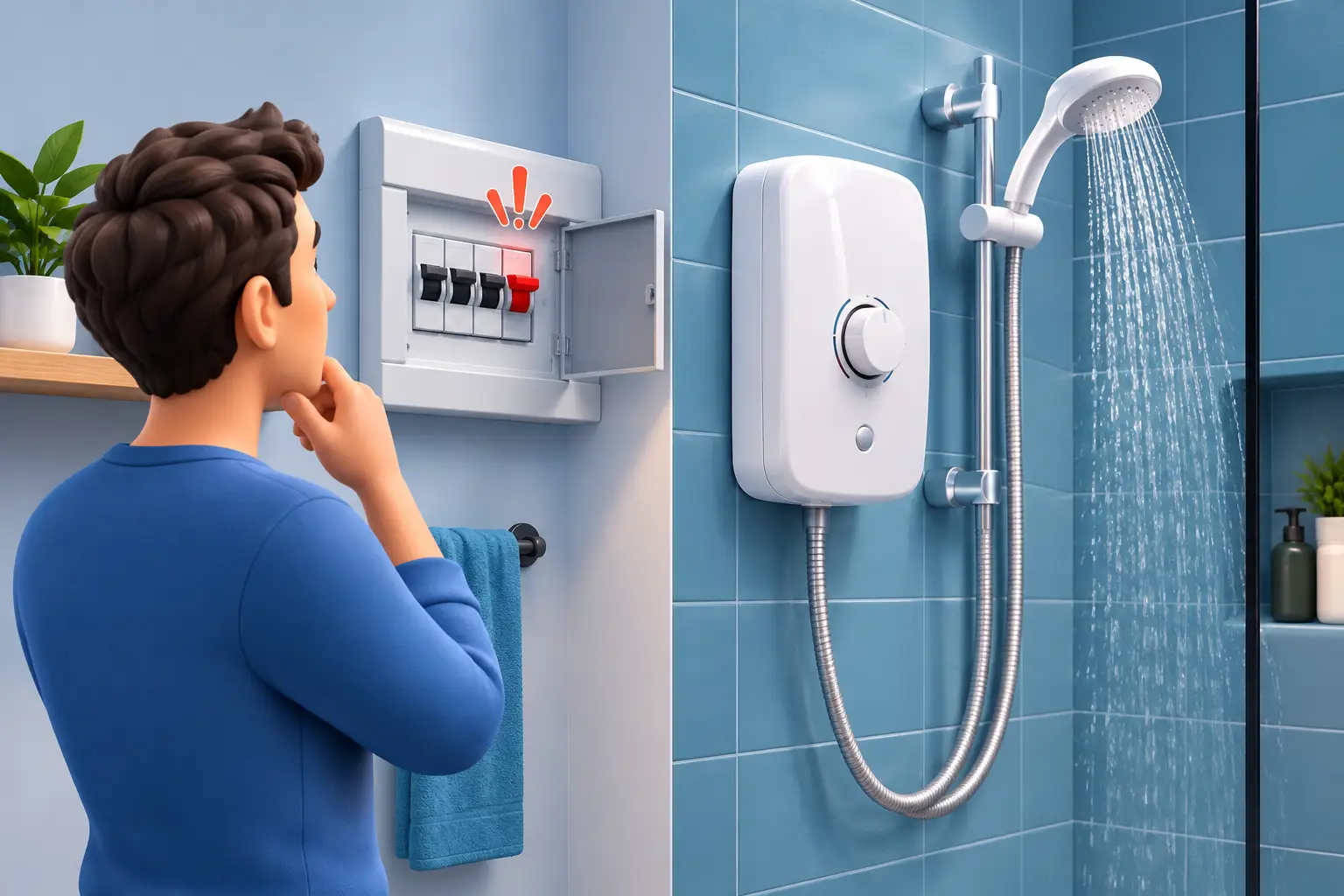
Electric shower keeps tripping? Learn the likely causes, what you can safely check and when to call a qualified London electrician for a lasting...

Why are sockets sparking suddenly? Learn the likely causes, what to switch off immediately and when to call a certified London electrician for help...