November 5, 2026

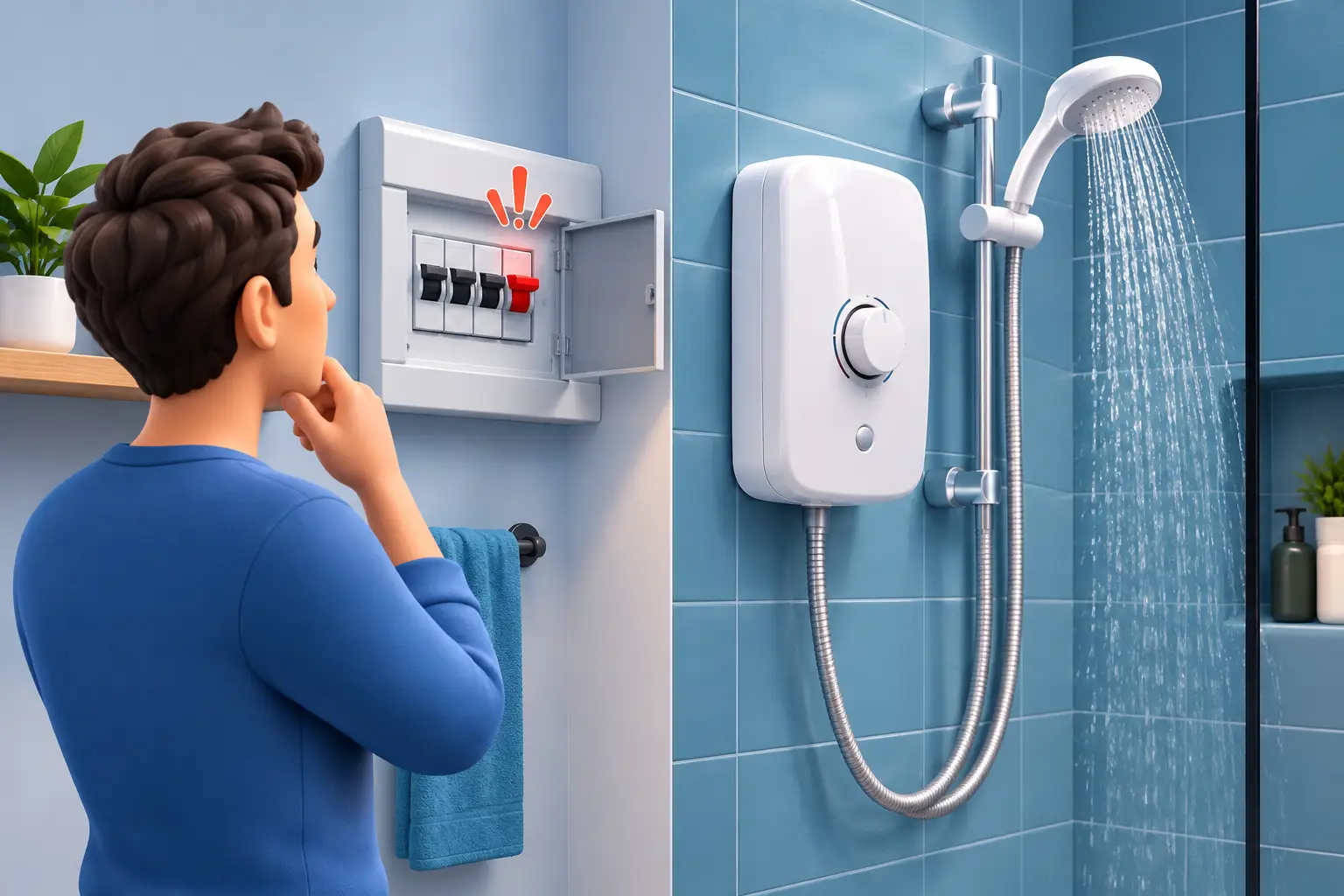
Electric shower keeps tripping? Learn the likely causes, what you can safely check and when to call a qualified London electrician for a lasting...





A boiler controls panel that suddenly fails after a storm, an office router that will not restart, or a tripped circuit after machinery powers up can all point to the same issue. Understanding power surge causes helps homeowners, landlords and business owners protect equipment, prevent repeat faults and know when an electrical problem needs urgent attention.
A power surge is a brief rise in voltage above the level electrical equipment is designed to handle. UK properties are supplied at a nominal 230 volts, but short-lived changes can still place pressure on sensitive circuits. The surge may last only a fraction of a second, yet it can damage circuit boards, degrade appliances over time or cause immediate failure.
Not every surge comes from a dramatic lightning strike. In London homes and commercial premises, many are created inside the building or occur through routine changes on the local electricity network. Finding the source matters because the right solution for a one-off external event may differ from the right solution for a recurring fault within the installation.
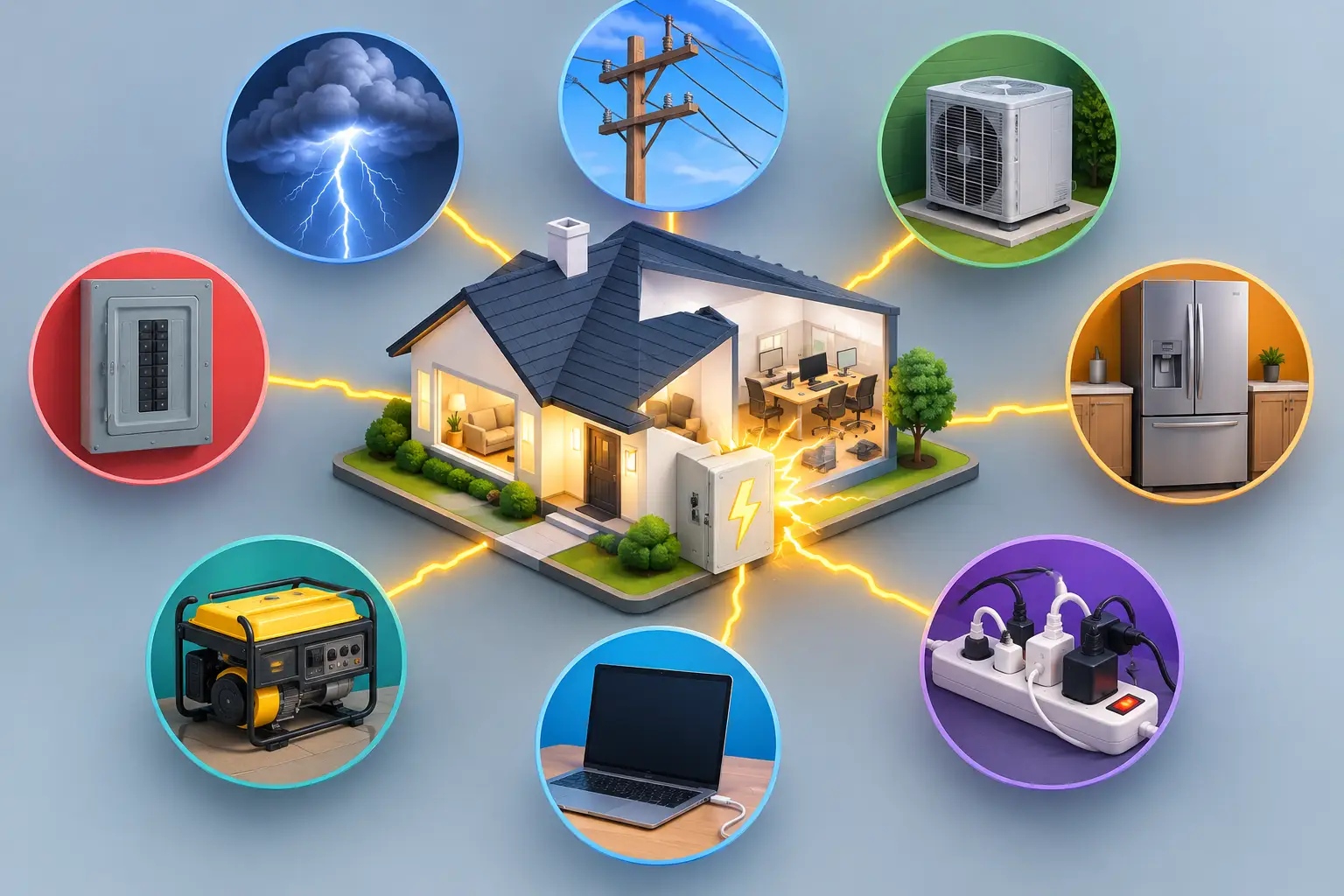
Lightning is the best-known cause of a major power surge. A direct strike is uncommon, but a strike near overhead lines, substations or external cabling can send a powerful transient through the supply. Electrical equipment connected to mains power, data lines or aerial cables may be affected.
Surge protection can reduce the risk, but no device can guarantee that equipment will survive every direct strike or extreme event. Where a property has external services, solar equipment, data cabling or expensive controls, a qualified electrician should assess the whole installation rather than treating one socket as the only point of risk.
When the electricity network loses power and then restores it, the change in load across the network can create a voltage spike. This may happen during storm damage, planned works or a local fault. It is one reason equipment can fail immediately after the lights return, even if there was no obvious issue beforehand.
If several properties on the same street have experienced an outage or flickering supply, the distribution network operator may need to investigate. An electrician can check your consumer unit, earthing and affected circuits, but faults on the incoming supply side are the responsibility of the network operator.
Motors and compressors need a significant amount of energy when they start and stop. In a home, this may include a fridge-freezer, extractor fan, heat pump, washing machine or air conditioning unit. In commercial premises, lifts, pumps, refrigeration, shutters, ventilation systems and workshop equipment can produce more noticeable switching effects.
A small switching surge is not automatically dangerous. Modern installations and appliances are designed with normal operation in mind. However, repeated spikes, ageing equipment or poor circuit design can contribute to nuisance tripping, damaged electronic controls and shortened equipment life.
An appliance with worn insulation, a loose connection, a damaged circuit board or an overheating motor can create irregular electrical behaviour. The same is true of deteriorating switches, sockets, junctions and wiring. Older consumer units may also lack modern protective measures that are now commonly fitted as part of an upgrade.
Do not assume a failed appliance is simply at the end of its life if it has been accompanied by burning smells, scorch marks, buzzing, flickering lights or repeated tripping. These signs can indicate a fault in the appliance, the circuit supplying it or both. Continued use risks further damage and, in some cases, fire.
Loose terminals increase resistance. As current passes through the connection, heat can build up, which can damage cables and accessories and create intermittent voltage issues. This is particularly concerning in older properties, extensions with undocumented alterations, rental homes with heavy occupancy, and busy commercial spaces where electrical loads have changed over time.
Poor-quality alterations can also leave circuits overloaded or incorrectly protected. A consumer unit may trip for a valid safety reason, but repeatedly resetting it without identifying the cause can conceal a developing fault.
Utility works, construction activity and changes to large electrical loads nearby can occasionally affect supply quality. This is more likely to be noticed in dense commercial areas or blocks with shared infrastructure. If the issue is isolated to one property, however, the cause is more often within that installation.
Keeping a simple record helps. Note the time, the circuits affected, whether neighbours experienced the same issue and which equipment was running. This gives an electrician useful evidence and can help distinguish between a supply issue and an internal fault.
A surge is not the only explanation when lights flicker or equipment stops working. Voltage dips, overloaded circuits, earth faults and poor connections can produce similar symptoms. The distinction matters because surge protection devices are only one part of a safe electrical installation.
For example, a circuit breaker that trips when a kettle and microwave are used together may point to an overloaded circuit rather than a power surge. An RCD that trips may be responding to current leaking to earth from a damaged appliance or cable. Flickering lights confined to one room can indicate a loose connection that requires prompt investigation.
This is why diagnosis should come before replacement. Swapping damaged equipment without addressing the underlying electrical fault can lead to the same problem happening again.
Switch off and avoid using affected equipment if you notice any of the following:
If there is immediate danger, such as smoke, flames or exposed live parts, do not touch the installation. Isolate power only if it is safe to do so, leave the area and contact the emergency services where necessary. For an urgent electrical fault without immediate fire danger, arrange a qualified emergency electrician as soon as possible.
A surge protection device, often called an SPD, is normally installed at or near the consumer unit. It diverts excess transient voltage away from the installation and towards earth, helping to protect connected circuits and equipment. It does not replace circuit breakers, RCDs, correct earthing or sound wiring. Each has a different safety role.
Whether an SPD is appropriate depends on the property and the potential consequences of equipment damage. It is particularly worth considering where a home has smart controls, security systems, EV charging, heat pumps, home offices or valuable entertainment equipment. For landlords and businesses, the case may be stronger where failure could affect tenant safety, refrigeration, alarms, IT systems, payment terminals or day-to-day trading.
Surge protection is most effective when it is specified as part of a wider assessment. The electrician will consider the condition of the consumer unit, the earthing arrangement, cable routes, external services and the type of equipment being protected. Some sensitive systems may also benefit from additional protection closer to the equipment, rather than relying solely on one device at the consumer unit.
You cannot control the electricity network or the weather, but you can reduce avoidable risk. Keep high-value electronics on suitable protected outlets where appropriate, and avoid overloading extension leads or adaptors. Large appliances and fixed equipment should be supplied from correctly designed circuits, not improvised connections.
For rental properties, regular electrical inspection and testing is essential for identifying deterioration, overloaded circuits and defects before they become disruptive or dangerous. Commercial operators should also review their electrical installation when adding machinery, refurbishing space or increasing occupancy. An installation that was adequate five years ago may no longer suit the load placed on it now.
If your consumer unit is old, lacks modern protective devices or shows signs of wear, an upgrade may offer a safer foundation for the installation. The decision should be based on inspection findings, not simply the age of the board. A competent electrician can explain what is required, what is recommended and why.
When repeated faults, damaged equipment or unusual supply behaviour affect your London property, EDL Electrical can investigate the installation, identify practical protective measures and carry out repairs or upgrades to current standards. Acting early is usually less disruptive than waiting for the next trip, outage or failed appliance to make the problem impossible to ignore.
Electric shower keeps tripping? Learn the likely causes, what you can safely check and when to call a qualified London electrician for a lasting...

Why are sockets sparking suddenly? Learn the likely causes, what to switch off immediately and when to call a certified London electrician for help...
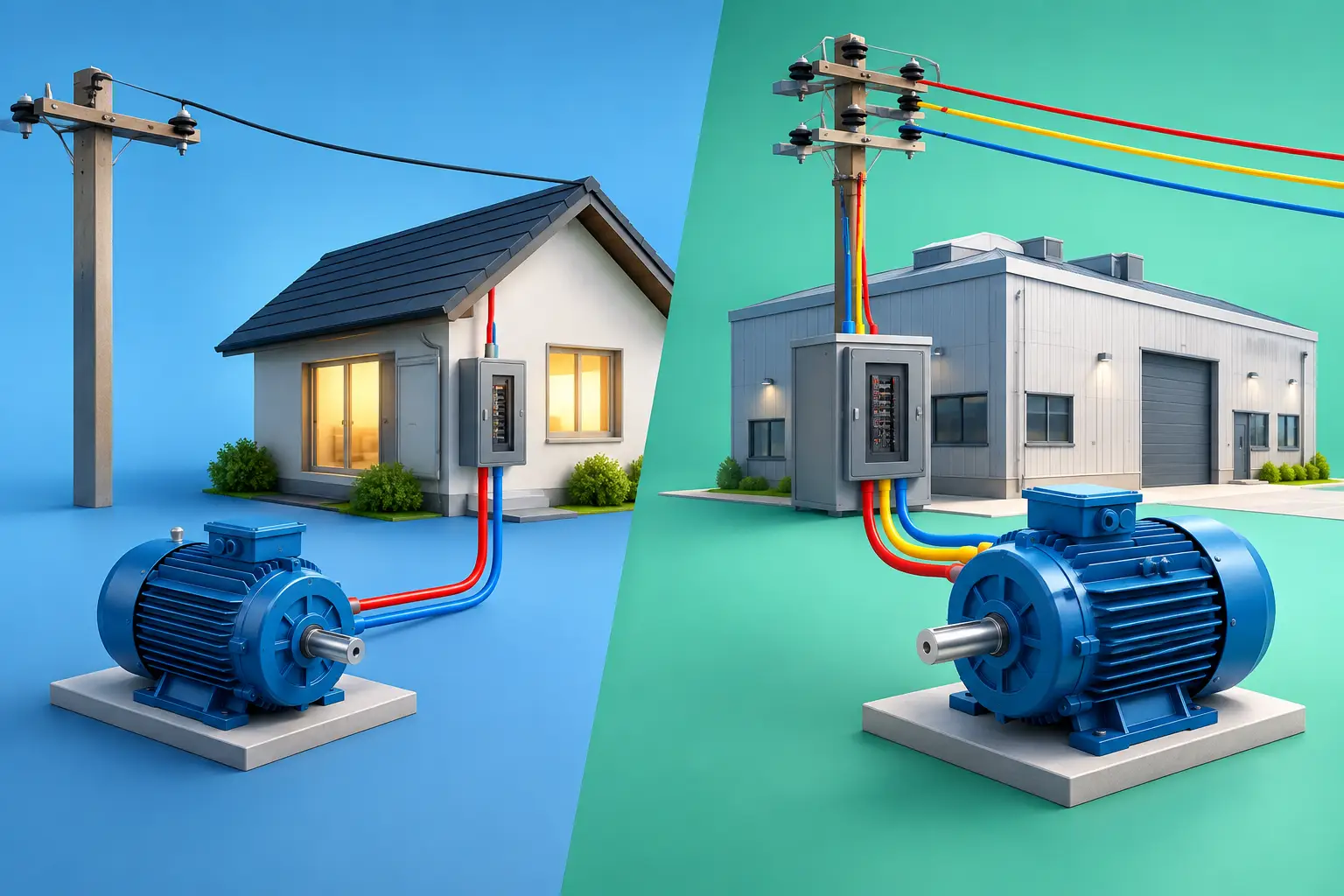
Compare single phase versus three phase power for homes, flats and London commercial premises, including capacity, cost, safety and upgrade work.