

October 16, 2026

Understand PAT testing requirements for London homes, landlords and businesses, including legal duties, risk-based testing intervals and clear records.








A poorly planned LED lighting installation can leave a kitchen full of shadows, an office with uncomfortable glare, or a rental property with fittings that fail long before they should. Good lighting is not simply about changing bulbs. It depends on the condition of the existing electrical circuit, the right fittings for the room, correct cable connections and thorough testing once the work is complete.
For London homes, rental properties and commercial premises, LED lighting offers lower running costs, long service life and far greater control over how a space looks and works. Those benefits only hold when the installation is designed around the property rather than treated as a quick replacement job.
LED fittings use considerably less energy than traditional halogen and incandescent lamps, while producing the light levels needed for everyday living and work. They also generate less heat at the lamp itself, which can help in enclosed fittings and frequently used rooms. However, LED systems have their own technical requirements, particularly where dimmers, transformers, drivers, smart controls or older wiring are involved.
A qualified electrician will first establish whether the circuit is suitable for the proposed load and fittings. This includes checking earthing, protective devices, cable condition and whether RCD protection is in place where required. In an older London property, the visible light fitting may be only one small part of an electrical system that has been altered over decades.
Installing new downlights, for example, means making openings in a ceiling and connecting multiple fittings safely. The work must take account of joists, insulation, fire separation, bathroom zones and access above the ceiling. It is not a job to judge by appearance alone.
The best lighting plan begins with what people need to do in the space. A single central pendant may be enough for a hallway, but it rarely provides useful light across a kitchen worktop or a larger office. Layering different types of light gives better results and avoids over-lighting the whole room.
In a kitchen, bright task lighting beneath wall units can make food preparation safer, while ceiling lights provide general illumination and pendant fittings can define a dining area. Bathrooms need clear, even light around mirrors, with fittings selected for the correct IP rating in relation to their position near water. Bedrooms often benefit from softer ambient lighting alongside bedside reading lights or controlled wardrobes lighting.
Commercial settings need equally careful consideration. Retail lighting should support product displays without producing harsh reflections. Office lighting should reduce glare on screens and provide suitable illumination across desks and circulation areas. Communal areas in managed buildings may require durable, sensor-controlled fittings that reduce wasted energy while maintaining safe visibility.
Colour temperature has a practical effect too. Warm white light is commonly preferred in lounges, bedrooms and hospitality spaces because it feels more relaxed. Neutral or cool white can suit kitchens, bathrooms, workshops and task-focused commercial areas. There is no universal choice – the right colour temperature depends on the use of the room, surrounding finishes and the atmosphere required.
LED lighting is available in a wide range of styles, but the fitting must be appropriate for its environment and electrical arrangement. A quality fitting installed correctly generally represents better value than the cheapest option that needs early replacement.
When selecting fittings, an electrician will consider factors such as:
For recessed downlights, fire-rated models are often the sensible option in domestic ceilings because they help maintain the ceiling’s fire performance after an opening has been made. Insulation is another important consideration. Some fittings are designed to be covered by insulation, while others require a clear space around them to prevent overheating and premature failure.
External LED lighting also needs proper planning. Security lights, path lights and garden fittings must be rated for outdoor use, installed on suitable circuits and positioned to avoid nuisance glare for neighbours or road users. Motion sensors should be adjusted carefully so they respond when needed without activating constantly.
One common issue after an LED upgrade is flickering, buzzing or lights that do not dim smoothly. The cause is often an older dimmer switch designed for higher-wattage halogen lamps. LEDs draw much less power, and not every dimmer can operate reliably at low loads.
Old low-voltage halogen fittings may also use transformers that are unsuitable for LED replacement lamps. In some cases, replacing lamps alone is possible. In others, the transformer, dimmer or complete fitting should be changed. A professional assessment avoids spending money on lamps that perform poorly or fail early.
It is also worth considering inrush current. Although LEDs have low running power, some drivers draw a short, higher current when first switched on. On larger installations, especially in offices, shops or communal areas, this affects how many fittings can safely operate on one circuit and which protective devices are appropriate.
Electrical safety should remain central to every lighting project. Connections must be enclosed correctly, cables supported appropriately and circuits tested after alterations. Loose terminals, overloaded circuits and unsuitable fittings can create risks that may not be visible once a ceiling or fitting is closed up.
In domestic properties in England, certain electrical work may be subject to Building Regulations requirements, particularly where work is carried out in special locations such as bathrooms or where a new circuit is installed. The exact requirements depend on the scope of work. A competent electrician can advise on the appropriate certification and notification process before work begins.
For landlords and property managers, lighting work should also sit within a wider approach to electrical safety. If an Electrical Installation Condition Report identifies concerns with circuits, earthing or protective devices, resolving those issues may need to come before adding new fittings. A modern lighting scheme cannot compensate for an installation that is overdue for repair or upgrading.
Commercial projects may involve additional considerations, including emergency lighting, fire safety arrangements, access for maintenance and operational disruption. Emergency lighting must be installed, tested and maintained to the relevant requirements so that escape routes remain visible if the normal supply fails. This is a specialist area, not an add-on to be overlooked during a refurbishment.
A clear site survey makes an LED project more predictable. Before fitting selection is finalised, it is useful to identify the number and location of light points, switch positions, preferred controls, ceiling construction and access restrictions. In occupied homes, electricians should also protect furnishings, manage dust from ceiling cut-outs and agree which areas need to remain usable during the work.
For landlords, completing upgrades between tenancies can reduce disruption and give time for any wider repairs identified during inspection. For businesses, phased work outside trading hours may be the right approach where customer access, staff productivity or safety cannot be compromised.
Smart lighting can be included where it brings a genuine benefit. Timed exterior lights, occupancy sensors in communal corridors and app-controlled zones can improve convenience and reduce unnecessary energy use. However, smart controls should not make essential lighting difficult to operate. A reliable manual control and a well-designed system are usually more valuable than features that are rarely used.
Call a qualified electrician rather than continuing with a lighting upgrade if lights trip the circuit, fittings feel hot, there is visible damage to wiring, switches crackle, lamps flicker repeatedly or a burning smell is present. Turn off the affected circuit if it is safe to do so and arrange prompt professional attention. These signs can indicate a fault beyond the fitting itself.
For planned work, EDL Electrical can assess existing circuits, recommend suitable LED fittings and carry out installation and testing for homes, rental properties and commercial premises across London. The aim is straightforward: lighting that looks right, performs reliably and has been installed with safety and compliance in mind.
The right LED lighting should make a property easier to use from the moment it is switched on. Start with the room, the people using it and the condition of the electrical installation, then let the fitting choice follow.
Understand PAT testing requirements for London homes, landlords and businesses, including legal duties, risk-based testing intervals and clear records.
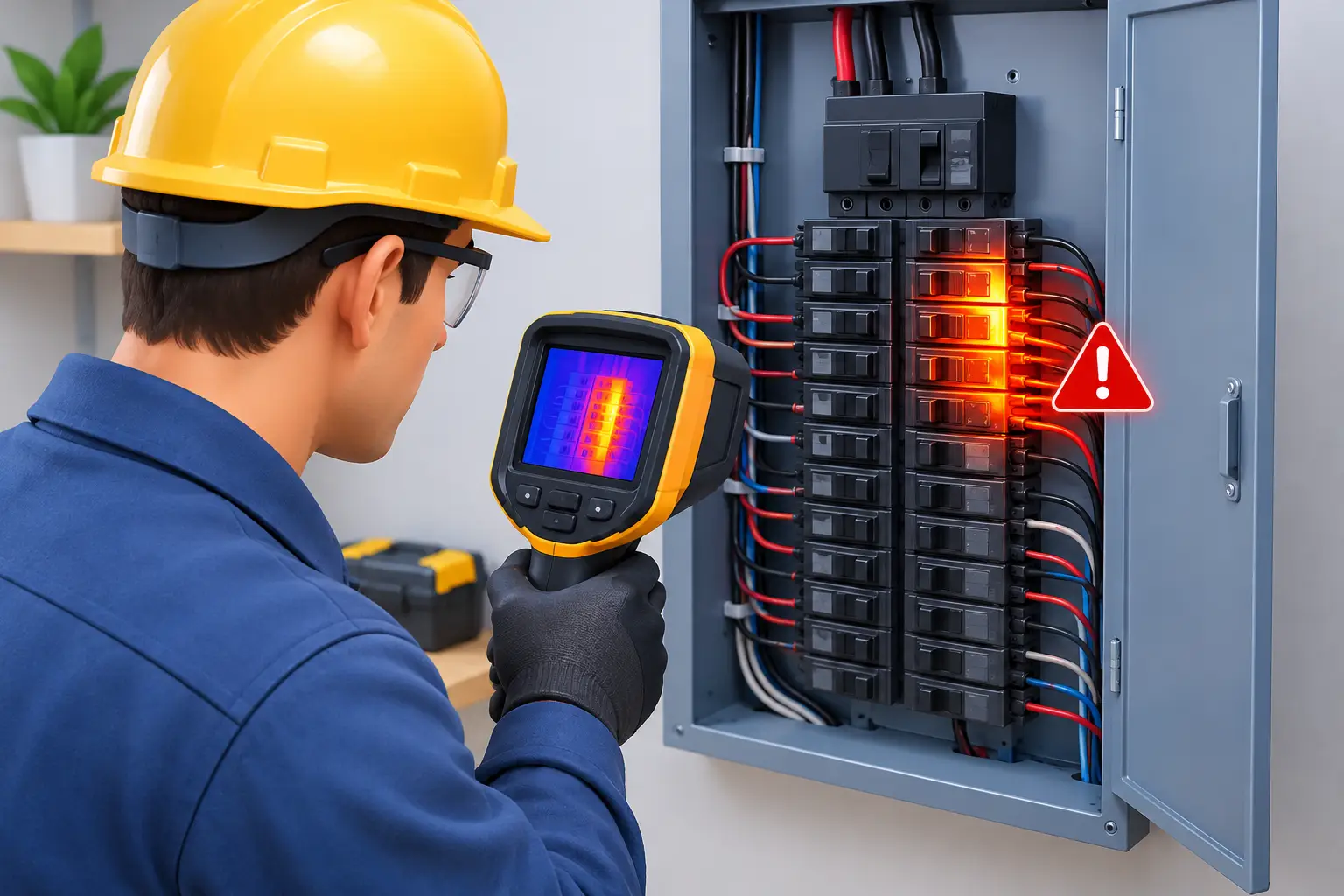
Learn how to identify overloaded circuits in your home or business, recognise warning signs and know when to call a certified London electrician for...

Can landlords use expired EICRs? Understand your legal duties, tenant safety risks and the practical steps to put an overdue electrical report right today.