

October 8, 2026

Our commercial distribution board guide explains selection, compliance, testing and warning signs for safer London workplaces, shops and managed properties.







An EICR that has passed its recommended inspection date is not a document to file away and rely on. So, can landlords use expired EICRs? In practical and compliance terms, no. An old report may show the condition of the installation when it was tested, but it cannot confirm that the property remains electrically safe now.
For London landlords, an overdue Electrical Installation Condition Report can create avoidable risk: to tenants, to the property and to your ability to demonstrate compliance if a local authority asks for evidence. The sensible response is to arrange a new inspection promptly, deal with any remedial work properly and keep the resulting paperwork organised.
In England, private landlords must have the fixed electrical installation in their rental property inspected and tested at intervals of no more than five years. This duty comes under the Electrical Safety Standards in the Private Rented Sector (England) Regulations 2020.
The report should state the date by which the next inspection is due. Often this will be five years after a satisfactory inspection, but it can be sooner. The condition of the installation, the type of property and the electrician’s professional judgement can all lead to a shorter recommended interval.
Once that date has passed, the EICR is no longer current evidence that the landlord is meeting the periodic inspection requirement. You should not treat it as valid proof of compliance for a new tenancy, an agent, a licensing application or an enquiry from the local authority.
There is an important distinction here. A report does not literally expire in the way a passport does. It remains a useful historical record of what was found on the day of testing. But its findings are a snapshot. Cables, accessories, consumer units and protective devices can deteriorate, be damaged or be altered after the inspection. An expired EICR cannot confirm their present condition.
A landlord with an overdue EICR should arrange an inspection without delay. Under the Regulations, landlords must provide a copy of the report to existing tenants within 28 days of the inspection, to a new tenant before they occupy the property, and to the local authority within seven days if requested. The report must also be kept until the next inspection is completed.
If you are about to let a flat and the last EICR is beyond its due date, do not assume the previous satisfactory outcome is enough. Book a new test before the incoming tenant moves in. That is the clearest way to meet your obligations and avoid beginning a tenancy with a preventable compliance gap.
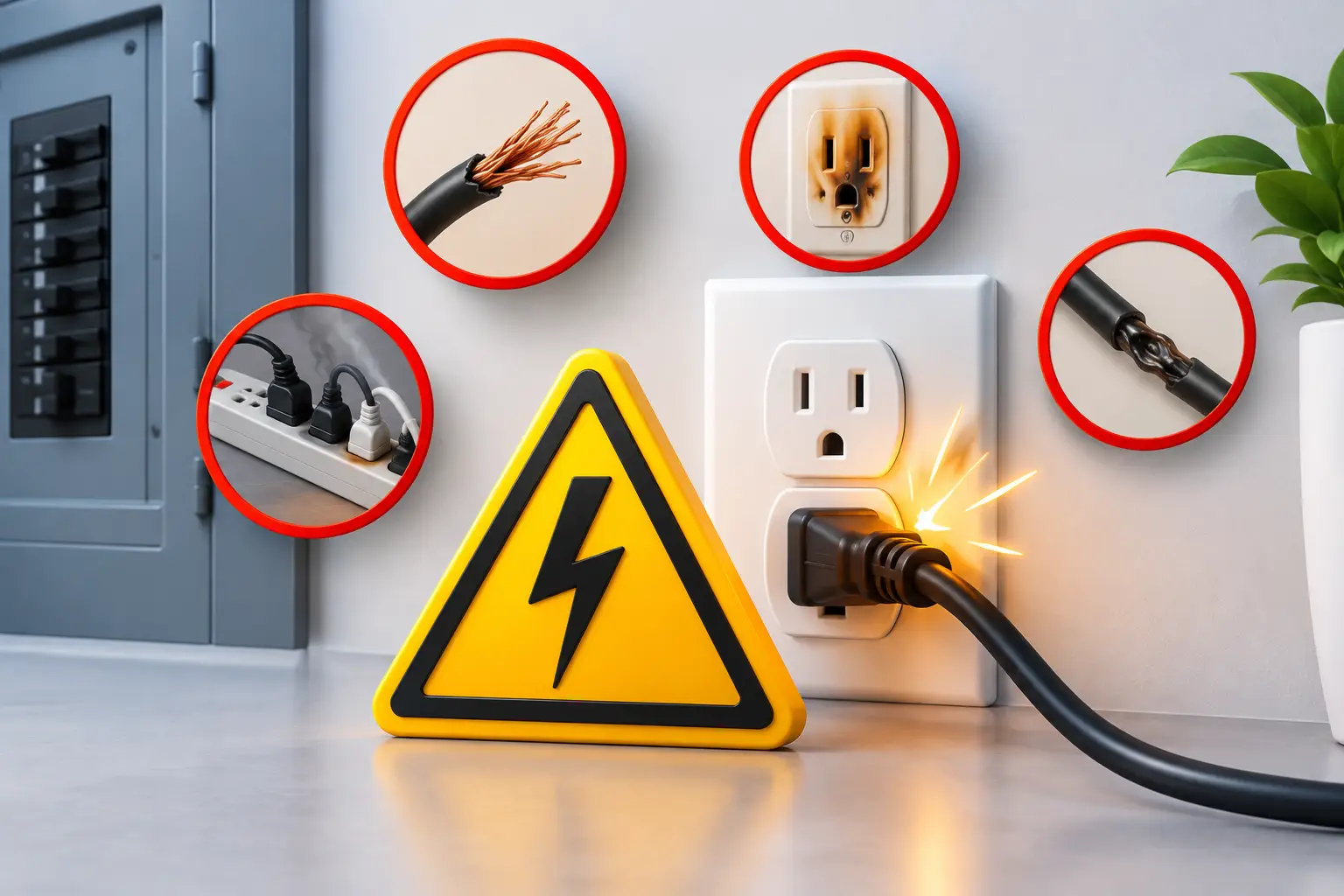
For an existing tenancy, acting quickly matters. An overdue certificate does not automatically mean that the installation is dangerous, but it does mean you have missed the scheduled point at which its safety should have been verified. If tenants have reported tripping circuits, burning smells, shocks, flickering lights, damaged sockets or any signs of overheating, treat the situation as more urgent than a routine inspection.
In a serious situation, isolate the affected circuit where safe to do so and contact a qualified electrician. Electrical faults are not something to postpone until a convenient renewal date.
It is easy to see why landlords assume an earlier satisfactory EICR is enough. The report may have recorded no observations requiring action, and nothing may appear visibly wrong at the property. Yet an EICR covers fixed wiring and associated equipment at a particular point in time. It does not guarantee that later changes have been safe or that faults have not developed.
Common reasons a property may need attention earlier than expected include:
An inspection interval is a maximum, not a reason to ignore warning signs. Landlords retain wider duties to provide safe electrical installations throughout the tenancy.
A new EICR may be marked satisfactory or unsatisfactory. An unsatisfactory result commonly includes observations coded C1, C2 or FI. C1 indicates danger is present and requires immediate action. C2 means potentially dangerous conditions have been identified and urgent remedial work is needed. FI means further investigation is required without delay.
Where remedial work is required, landlords must ensure it is completed within 28 days, or sooner if the report specifies a shorter period. They must then obtain written confirmation that the work has been completed or that further investigative work has established the installation is safe. A copy should be provided to the tenant and, if requested, to the local authority.
Do not ask an electrician to simply extend, amend or re-date an expired report without carrying out the required inspection. That does not create valid evidence of current condition and can leave you exposed if a fault, complaint or enforcement issue arises.
The right route is straightforward: commission a proper inspection, receive a clear report and authorise any necessary remedial work. In many cases, issues such as damaged accessories, inadequate earthing arrangements, missing protective measures or consumer unit defects can be addressed efficiently once identified.
The five-year rule is particularly relevant to private rented homes in England, but landlords should avoid applying it blindly to every building. Commercial premises, communal areas and some higher-risk environments may require more frequent inspections. Lease obligations, insurer requirements and local licensing conditions can also set additional expectations.
HMO landlords should be especially careful. Electrical safety duties still apply, while the condition of shared installations and the level of use can make planned maintenance more important. If you manage a converted house, a block of flats or a mixed-use property, establish exactly which installations are your responsibility and keep separate records where necessary.
Rules also differ across the UK. This guidance focuses on private rented property in England, which is most relevant to London landlords. If the property is in Wales, Scotland or Northern Ireland, check the applicable local requirements rather than relying solely on an England-based timescale.
First, find the previous EICR and check the recommended next inspection date, along with any observations noted at the time. This helps the electrician understand the property history, but it should not delay the booking.
Next, arrange access for a qualified electrician to inspect and test the installation. A proper EICR involves more than a visual look at sockets. Testing may require brief interruptions to power, so tenants should be given reasonable notice and told what to expect.
After the inspection, read the outcome rather than just filing the certificate. If it is satisfactory, record the next due date in your property management system and set a reminder well in advance. If remedial work is needed, arrange it promptly and retain the completion certificate or written confirmation with the EICR.
Finally, provide the required report and any follow-up confirmation to your tenants. Clear communication reassures tenants that their home is being maintained responsibly, and it creates a useful written trail for the landlord.
An expired EICR is usually fixable with prompt action, but it is not something to overlook. The report may still be valuable as part of the property’s maintenance history, yet it cannot substitute for a current inspection when the recommended date has passed.
For landlords managing busy London properties, scheduling inspections before they become overdue is the simplest approach. If your report is already out of date, arrange a professional EICR now, address any faults identified and keep your tenants informed. EDL Electrical can help landlords with dependable inspections, remedial work and clear certification when a property needs to be brought back on track.
Our commercial distribution board guide explains selection, compliance, testing and warning signs for safer London workplaces, shops and managed properties.

Learn how to maintain standby generators with practical checks, safe testing and professional servicing to protect London homes and business premises.
Practical electrical safety advice for London homes and businesses, from warning signs and prevention to knowing when to call a certified electrician.