
November 7, 2026

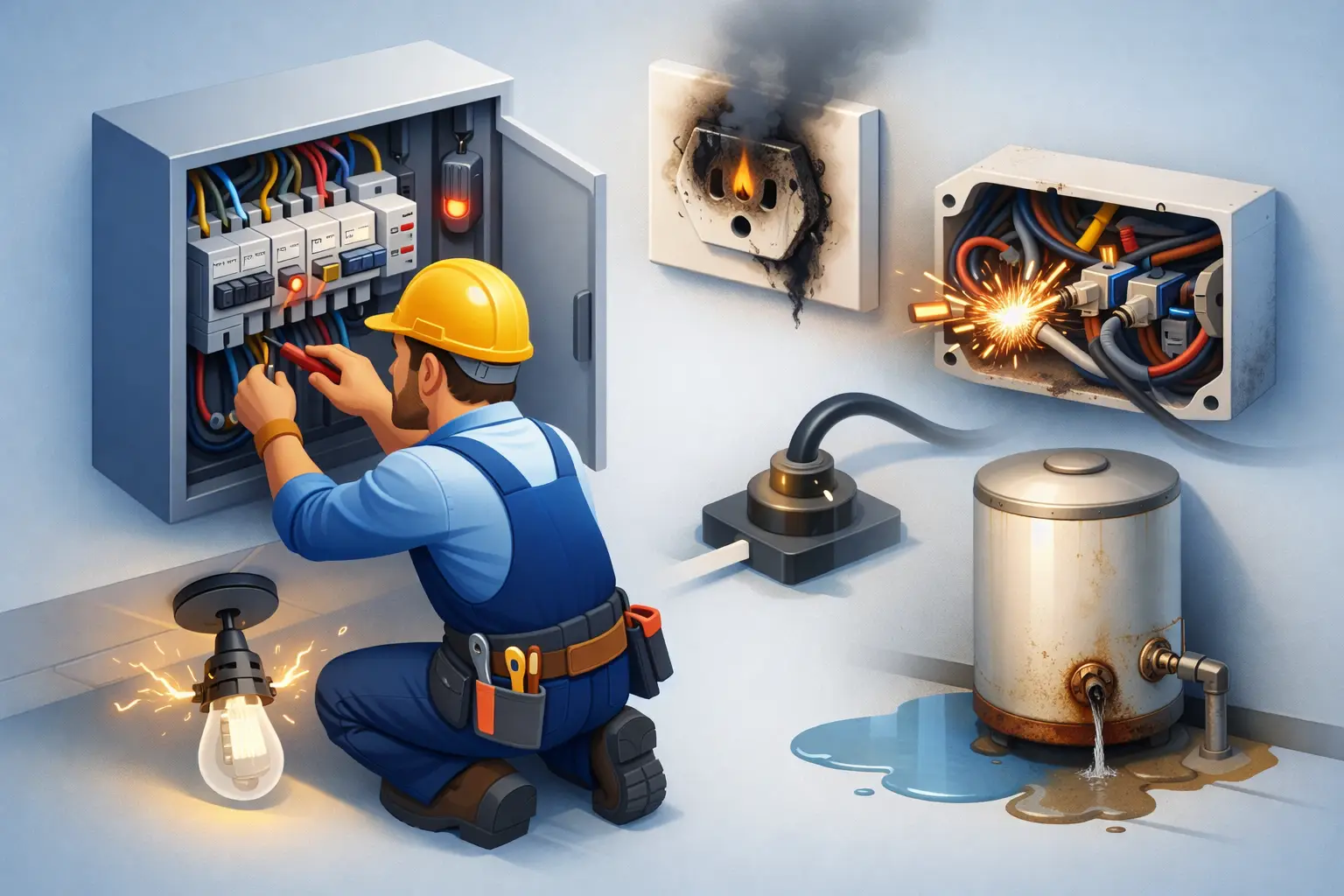
Learn the most common power surge causes in London properties, the warning signs to act on, and how certified protection keeps people and equipment...






An unsatisfactory EICR is not a list to file away and deal with later. It identifies faults or concerns that need a clear response, particularly in rented homes, shared buildings and commercial premises. These EICR remediation examples show what common observations mean in practical terms, how they are normally put right, and why the work must be completed and verified by a competent electrician.
An Electrical Installation Condition Report assesses the condition of existing wiring and fixed electrical equipment. It does not automatically mean a full rewire is required. The right remedial work depends on the code assigned, the age and layout of the installation, the test results, and whether the issue affects a home, rental property, office, shop or other workplace.
Before arranging repairs, it helps to understand the coding on the report. A C1 observation identifies danger present. It requires immediate action, which may include isolating the affected circuit or equipment before the electrician leaves.
A C2 code means potentially dangerous. The installation is not considered satisfactory until the defect has been corrected. FI means further investigation is required without delay. The cause and extent of the concern must be established before anyone can decide whether the installation is safe.
C3 observations are improvements recommended to bring an installation closer to current standards. They do not, by themselves, make an EICR unsatisfactory. A property owner may still choose to complete them, especially where they improve protection, usability or future maintenance.
A cracked socket front, loose switch, missing blanking plate or damaged light fitting can leave live parts accessible. If there is an immediate risk of electric shock, it is commonly recorded as C1. The electrician will make the area safe straight away, often by isolating the circuit, then replace the damaged accessory or enclosure and test the repair.
The visible defect may be only part of the issue. A loose socket can also indicate heat damage or poorly secured connections behind it. Proper remediation includes checking the wiring, terminal condition and earthing, rather than simply fitting a new faceplate.
Residual current device protection can reduce the risk of serious electric shock where a fault develops, particularly on socket outlets likely to supply portable equipment outdoors. Older consumer units may have circuits with no RCD protection, or an RCD that does not operate within the required test parameters.
The solution may be fitting RCBO protection to individual circuits, replacing an unsuitable consumer unit, or making changes at the distribution board where the existing arrangement permits it. This is not always a like-for-like upgrade. The electrician must confirm that the earthing arrangement, circuit condition and consumer unit enclosure are suitable before carrying out the work.
In a flat or older London property, access to meter equipment and building-wide earthing arrangements can affect the scope. A consumer unit upgrade is often worthwhile, but it should follow testing and design checks rather than being treated as a universal answer to every EICR observation.
Main protective bonding connects certain incoming metal services to the electrical earthing system. Where bonding is missing, undersized, incorrectly connected or cannot be verified, a fault could allow dangerous touch voltages to develop on metal pipework. This is frequently a C2 observation.
Remedial work can involve installing correctly sized bonding conductors, securing them with suitable clamps, labelling the connection and verifying continuity. However, the electrician must first identify whether the incoming service is metallic and confirm the property’s earthing system. Modern plastic pipework, alterations near the service entry point and blocks of flats all require careful assessment rather than assumptions.
Discolouration around a consumer unit, a burning smell from a socket, melted insulation or a warm connection should be treated seriously. These signs can result from loose terminals, overloaded circuits, incompatible accessories or previous poor-quality work. They may be coded C2 or C1 depending on the immediate level of danger.
Remediation begins by isolating the affected circuit where necessary. The electrician then identifies the cause, replaces damaged components, remakes connections to the correct torque and carries out testing. If repeated overloading is the problem, the repair may also require changes to circuit use, additional circuits or a review of high-load equipment such as electric showers, ovens and commercial appliances.
Cables with damaged insulation, unsupported wiring, unsuitable junctions or connections hidden where they cannot be inspected can create a shock and fire risk. DIY additions and unrecorded alterations are common causes, especially after kitchen refits, loft conversions and office layout changes.
A straightforward repair may involve replacing a damaged cable section or installing an accessible, maintenance-free connection where appropriate. In other cases, the safest option is to replace the affected circuit. The deciding factor is not how small the visible defect appears, but whether the circuit can be tested, protected and maintained safely after the repair.
Unlabelled consumer units, absent RCD test notices and unclear circuit schedules are normally C3 observations. They are not usually dangerous on their own, but they make isolation and future fault-finding slower and less safe.
The remedial work is simple: identify circuits through testing, provide an accurate schedule and fit the required warning labels. This small improvement can be particularly valuable for landlords, managing agents and businesses that need to respond quickly when a tenant or staff member reports a fault.
A good remedial process starts with the EICR observations, but does not blindly follow them. The inspecting electrician should explain what has been found, the risk involved, the proposed work and any limitations. This gives the property owner a clear basis for authorising repairs and avoids confusing essential safety work with optional improvements.
Once the work is complete, the relevant circuits must be tested. Depending on the nature of the work, the electrician may issue a Minor Electrical Installation Works Certificate or an Electrical Installation Certificate. Where the original report was unsatisfactory, further inspection and testing may be needed to confirm that every C1, C2 and FI item has been resolved and that the installation can receive a satisfactory outcome.
Do not rely on verbal confirmation or an invoice alone. Keep the EICR, the remedial quotation, certificates and any confirmation of completed observations together. These records provide a useful compliance trail and make future inspections more straightforward.
For landlords in England, remedial work identified by an electrical safety report must generally be completed within 28 days, or sooner if the report specifies a shorter period. Written confirmation of the completed work must also be provided to the relevant tenants and local authority when required. Acting promptly protects occupants and avoids a last-minute compliance problem between tenancies.
Some faults cannot wait for a planned maintenance visit. Repeated tripping, sparks, electric shocks, burning smells, water affecting electrical equipment or a damaged consumer unit call for immediate isolation and professional attention. Do not repeatedly reset a breaker in the hope that it will hold. The protective device is responding to a fault, and forcing the circuit back on can increase the risk.
For commercial operators, the same principle applies. A single faulty circuit may affect emergency lighting, refrigeration, IT equipment, security systems or essential machinery. Temporary isolation can keep the rest of the premises operating safely while the fault is investigated, but only where a competent electrician has assessed the situation.
EICR remediation should be proportionate. Replacing a defective accessory and correcting bonding may be all that is needed in one property. In another, widespread test failures, ageing wiring, recurring overheating or an unsuitable consumer unit may point towards a larger upgrade or partial rewire.
The key is to deal with the documented risk properly, test the completed work and retain the evidence. For London homeowners, landlords and businesses, a clear remedial plan turns an unsatisfactory EICR from an uncertain report into a manageable route back to safe, compliant electrics. If you need prompt, certified remedial work, EDL Electrical can assess the findings and carry out the repairs with the care the installation requires.
Learn the most common power surge causes in London properties, the warning signs to act on, and how certified protection keeps people and equipment...
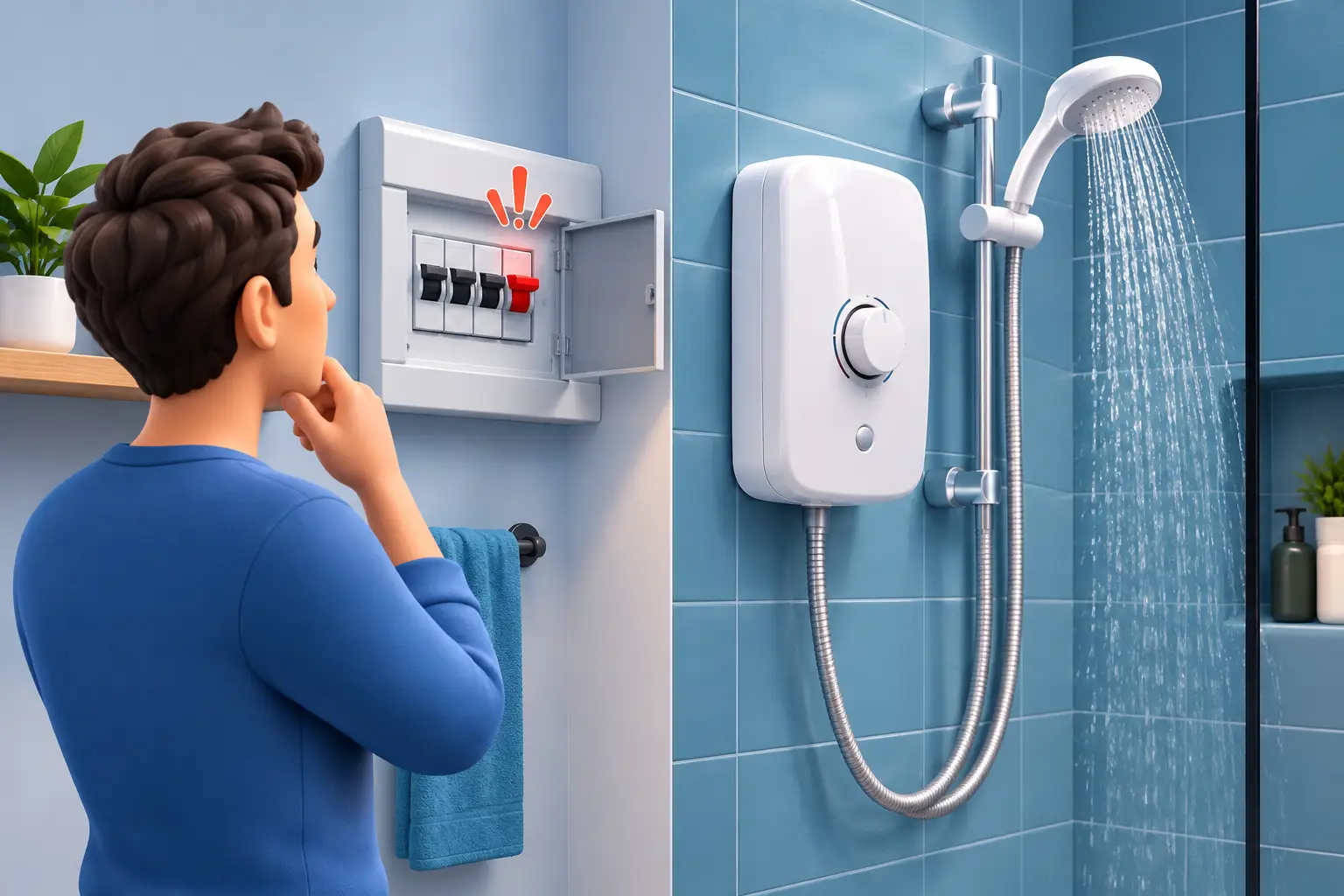
Electric shower keeps tripping? Learn the likely causes, what you can safely check and when to call a qualified London electrician for a lasting...

Why are sockets sparking suddenly? Learn the likely causes, what to switch off immediately and when to call a certified London electrician for help...