August 29, 2026

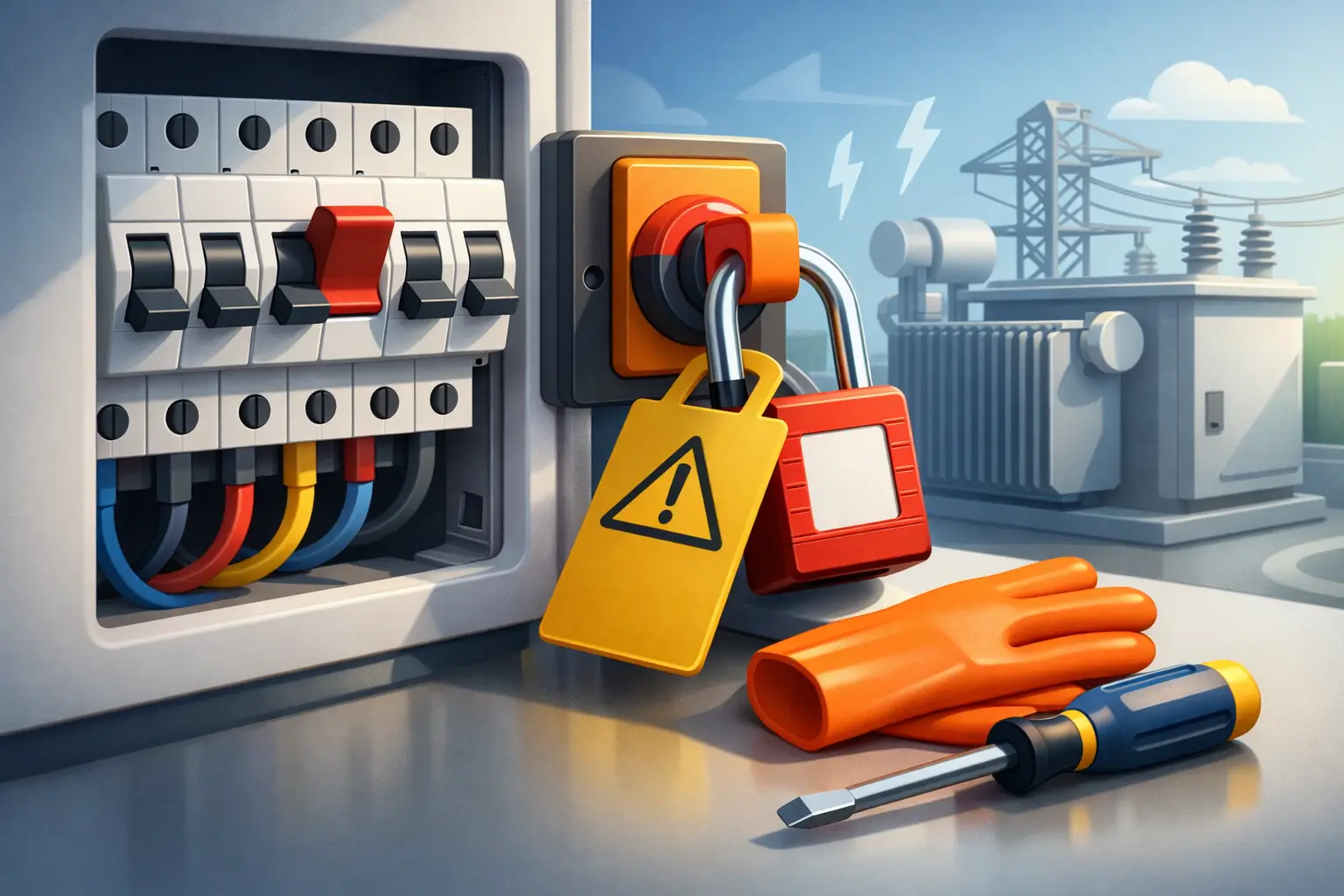
Learn how to isolate electrical supply safely in a London home or business, what to do in an emergency, and when a certified electrician...







A cable fault rarely announces itself at a convenient time. It may begin with a light that flickers when the washing machine starts, a socket that feels warmer than usual, or a fuse board that trips without an obvious reason. Knowing the signs electrical cables need replacement helps homeowners, landlords and business owners act before a minor defect becomes a fire risk, electric shock hazard or costly outage.
Electrical cables are generally hidden behind walls, under floors and above ceilings, so their condition is easy to overlook. Yet they carry power to every socket, light fitting and fixed appliance in a property. Where there is any concern about damaged wiring, avoid DIY repairs and arrange for a qualified electrician to inspect the installation.
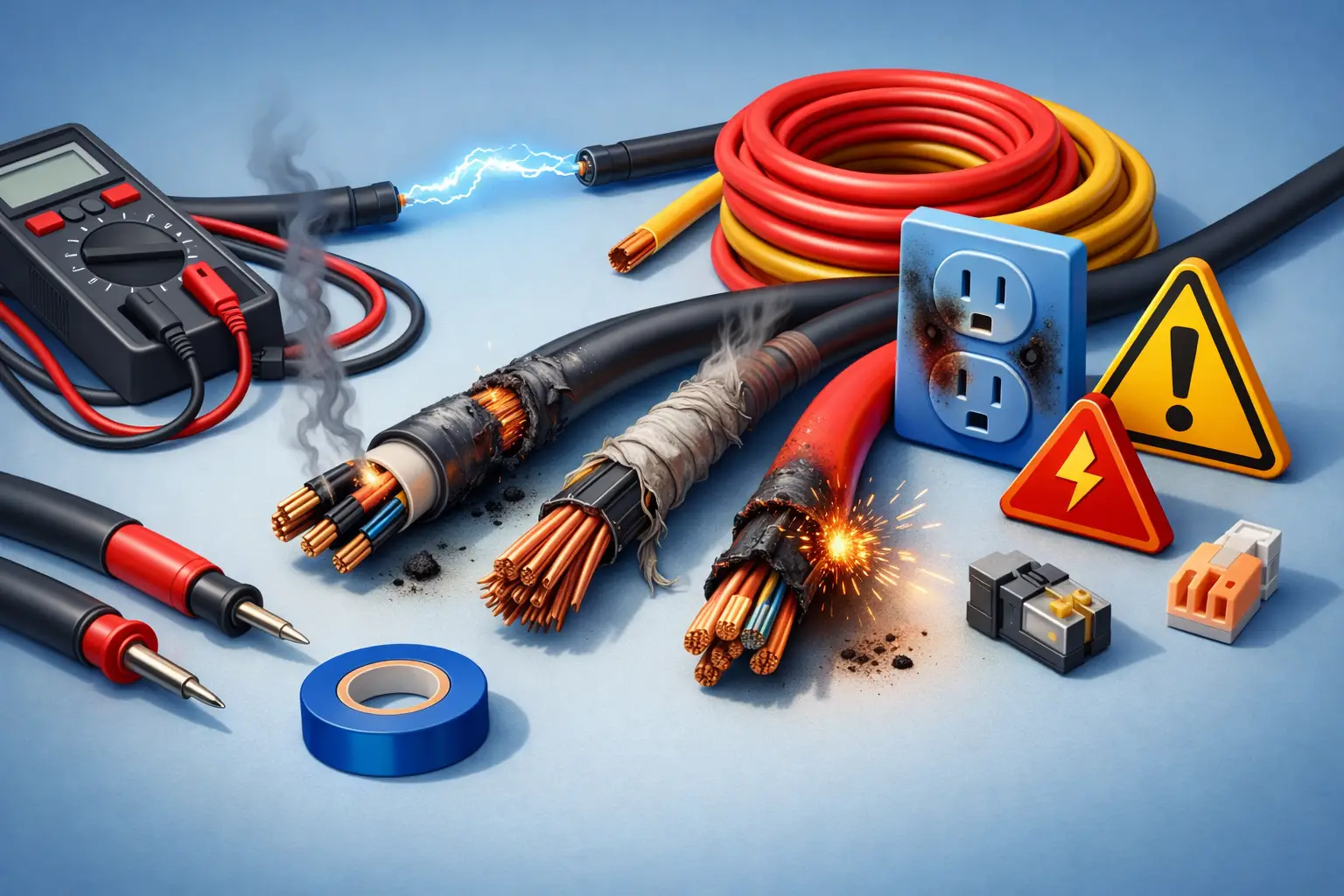
Cracked, split, frayed or crushed insulation is one of the clearest warning signs. This can affect exposed cable runs in garages, lofts, plant rooms, shops and offices, as well as appliance leads and extension leads. Damage may result from age, repeated movement, careless drilling, heavy furniture, rodents or previous building work.
Do not rely on electrical tape as a permanent repair. Tape can conceal a fault without restoring the cable’s insulation or mechanical protection. A qualified electrician can determine whether the affected section can be safely repaired or whether the cable needs replacing back to a suitable connection point.
Particular care is needed where cable has been trapped under flooring, squeezed through a door, exposed to damp conditions or chewed by pests. If copper conductors are visible, switch off the relevant circuit if it is safe to do so and keep people away from the area.
Brown marks around sockets, switches, light fittings or consumer units should never be ignored. Sooty staining, melted plastic, a persistent hot smell or a buzzing sound can indicate overheating at a cable termination or within the wiring itself.
Overheating can happen when a connection has become loose, a circuit is overloaded, the cable is undersized for the load, or insulation has deteriorated. The cable may not always be the only issue, but it must be inspected as part of the fault investigation. Replacing a faceplate alone will not resolve a damaged cable or loose connection behind it.
If you can smell burning, see smoke or notice a hot consumer unit, treat it as urgent. Turn off the electricity at the main switch only if it is safe to access, leave the affected area clear and seek emergency electrical assistance. Do not use water on an electrical fire.
A modern consumer unit is designed to disconnect power when it detects a fault. An occasional trip may be linked to a single appliance, but repeated tripping on the same circuit needs professional attention. It can point to damaged cable insulation, moisture ingress, a short circuit, an earth fault or overloaded wiring.
It is useful to note what was running when the circuit tripped. For example, if the kitchen circuit trips only when a particular appliance is used, the appliance may be at fault. If it trips with nothing plugged in, or after rain, a wiring fault becomes more likely. This distinction helps an electrician diagnose the problem efficiently, but it is not a reason to keep resetting the breaker repeatedly.
Older fuse boards and installations without modern RCD protection should be assessed promptly. A consumer unit upgrade may be recommended alongside cable replacement where the existing protection no longer provides an appropriate level of safety.
Lights that dim, flicker or cut out when another appliance starts can be frustrating, but they can also indicate a loose connection or cable problem. The same applies to sockets that work intermittently, switches that only operate in a certain position, or equipment that loses power without explanation.
There are less serious possibilities. A failing bulb, incompatible LED dimmer or faulty appliance can cause similar symptoms. However, where the issue affects several fittings, multiple rooms or a whole circuit, the fixed wiring should be checked. Loose connections generate heat over time, and a problem that appears intermittent can worsen quickly.
Commercial premises should take this particularly seriously. Unreliable power can interrupt tills, IT equipment, refrigeration, security systems and emergency lighting, creating both operational and safety concerns.
Age alone does not prove that cables are unsafe. A well-installed system can remain serviceable for many years if it has been maintained, protected from damage and tested regularly. However, properties with original wiring from several decades ago are more likely to have insulation types that deteriorate with age, limited circuit capacity and alterations carried out to different standards over time.
Older London homes may contain rubber, fabric-covered or other legacy cable types that are no longer suitable for continued use. Insulation can become brittle, particularly near heat sources or where it has been disturbed during renovation work. Signs such as old-style fittings, a dated fuse box, a lack of earthing at sockets or mixed wiring methods warrant a full inspection.
A rewire is not always necessary. Sometimes targeted cable replacement and improvements to the consumer unit provide the right solution. It depends on the condition of the installation, the results of testing, the scale of planned refurbishment and the electrical demand of the property.
Water and electricity are a dangerous combination. A roof leak, plumbing failure, flood, condensation problem or water ingress around external fittings can damage cable insulation and electrical connections. Even once an area appears dry, corrosion and contamination may remain inside accessories, junction boxes or conduit.
Pest activity is another common hidden cause of cable damage. Rodents can chew insulation in lofts, under suspended floors and within service voids. You may notice droppings, nesting material, scratching sounds or unexplained circuit faults before the cable damage is found.
Do not assume the wiring is safe simply because power has returned after a leak or pest treatment. An electrician should test affected circuits before they are put back into normal use.
Extensions, loft conversions, kitchen renovations and office fit-outs often place new demands on an existing electrical installation. Problems can arise where cables have been extended incorrectly, buried without appropriate protection, overloaded by new appliances or altered by unqualified work.
Warning signs include cables emerging from walls without proper containment, overcrowded junction boxes, loose socket fronts, unexplained extra connections or circuits that have not been clearly labelled. Cables concealed in walls should be installed in recognised safe zones or given suitable protection. This reduces the risk of them being struck by screws, nails or drills later.
If you are planning building work, an electrical inspection before walls and floors are closed up can prevent expensive remedial work afterwards. For landlords and commercial operators, proper records of electrical work also support ongoing maintenance and compliance responsibilities.
Do not touch exposed conductors, remove socket covers or attempt to join damaged fixed wiring yourself. If there is immediate danger – smoke, sparks, burning smells, electric shocks or water near electrical equipment – isolate the supply if safe and arrange urgent assistance.
For less immediate concerns, book an inspection with a qualified electrician. Testing can identify insulation resistance faults, poor continuity, overloaded circuits and defects that are not visible from the surface. An Electrical Installation Condition Report can be especially valuable for older homes, rental properties, commercial units and buildings undergoing renovation.
EDL Electrical provides prompt electrical inspections, fault finding, repairs and rewiring work across London. The right repair may involve replacing one damaged cable section, upgrading a circuit, or planning a wider rewire where the installation has reached the end of its safe working life.
A cable problem is easier and safer to resolve before it becomes an emergency. If something looks damaged, smells hot or behaves unpredictably, trust that warning sign and have the wiring checked by a certified electrician.
Learn how to isolate electrical supply safely in a London home or business, what to do in an emergency, and when a certified electrician...

Understand electrical regulations for landlords in England, from EICR deadlines and remedial work to records, tenant safety and reliable property upkeep.

Use this electrical earthing system guide to understand grounding, warning signs and when a certified London electrician should inspect your property.