August 27, 2026

Understand electrical regulations for landlords in England, from EICR deadlines and remedial work to records, tenant safety and reliable property upkeep.







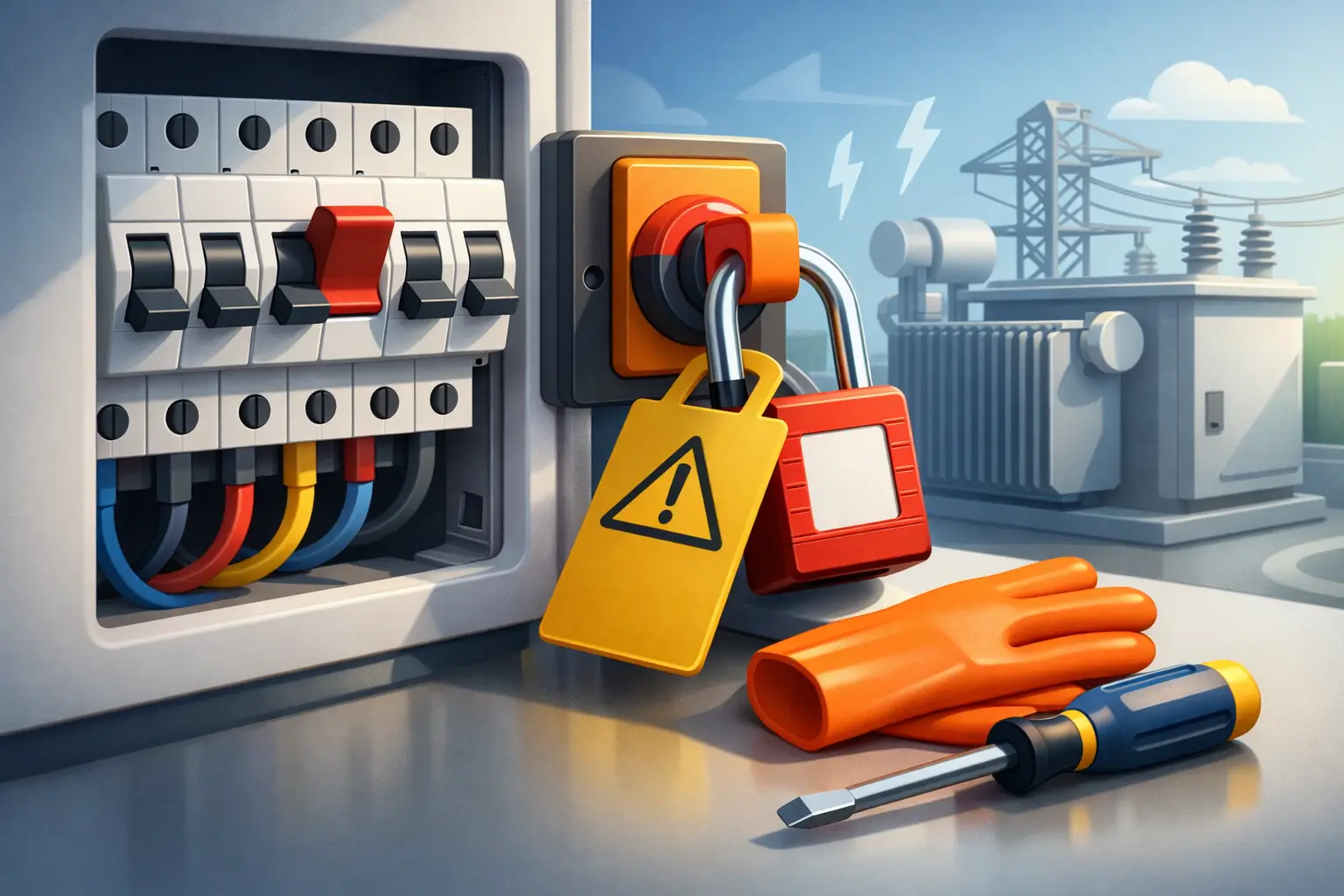
A burning smell from a socket, water near wiring or repeated tripping can turn a normal day into a safety decision. Knowing how to isolate electrical supply can help protect people and property, but it must be done cautiously. Switching off power is not the same as proving a circuit is safe to work on, and electrical repairs should always be left to a competent, qualified electrician.
Isolation means disconnecting electrical power so equipment or part of an installation cannot remain energised. In a home, this may mean switching off the main switch at the consumer unit. In a commercial property, it may involve a local isolator, a distribution board or a more formal lock-off procedure.
You may need to isolate power when there is a clear sign of danger, such as sparks, smoke, a strong burning odour, an electric shock, damaged wiring or water reaching electrical equipment. It can also be necessary before planned electrical work, including replacing a light fitting, investigating a faulty circuit or carrying out inspection work.
The right action depends on the situation. Turning off the whole installation can be appropriate in an urgent domestic fault, but it can also shut down lighting, heating, alarms, refrigeration, IT systems or essential business equipment. Where there is no immediate danger, it is usually better to avoid trial-and-error switching and arrange professional diagnosis.
If it is safe to approach the consumer unit and you need to stop power quickly, locate the main switch. This is normally positioned within or beside the consumer unit and is designed to disconnect the installation’s electrical supply. Switch it to the off position without removing the consumer unit cover or touching any exposed parts.
Before doing so, take a moment to check the area. Keep clear if there is standing water, visible smoke, heat, arcing, damaged metalwork or a burning smell coming directly from the consumer unit. Do not touch a wet surface, attempt to reach through water or handle equipment with damp hands. In these circumstances, move people away from the area and contact emergency services if there is a fire risk.
Once the main switch has been turned off, do not assume every source of electricity has disappeared. Some properties have solar PV, battery storage, generators, electric vehicle chargers or separate supplies that may continue to energise parts of the system. Older or altered buildings can also have more than one consumer unit. A qualified electrician will identify and isolate all relevant sources before working on the installation.
A circuit breaker or RCD that has tripped is a warning that something may be wrong. Resetting it repeatedly can worsen a fault, particularly where there is damaged insulation, moisture ingress or a failing appliance. If it trips again, leave it off and seek advice from an electrician.
Likewise, never remove the front cover of a consumer unit to access wiring or fuses. Live parts may still be present, even when a main switch appears to be off. Consumer unit work requires suitable test equipment, correct procedures and the experience to recognise unsafe conditions.
Many consumer units label individual circuits, such as sockets, downstairs lighting, cooker, shower or boiler. Switching off a single circuit can reduce disruption while a fault is investigated. However, labels can be inaccurate, missing or outdated, especially after renovations or previous electrical work.
For that reason, use circuit labels as a guide rather than proof. Do not isolate a circuit and then begin work on it. Electricians follow a safe isolation process that includes identifying the correct circuit, disconnecting it, securing it against reconnection and testing to confirm it is dead using appropriate equipment. A non-contact voltage pen or a switched-off light is not an adequate substitute for this process.
If an appliance appears to be the cause of a fault, switch it off at its local socket or isolator only if it is safe and accessible. Unplug it where practical, then leave the affected circuit off if the problem persists. Avoid using extension leads as a workaround for a suspected electrical fault.
Electrical emergencies require calm, practical decisions. If there is an immediate risk of fire, smoke or serious injury, get everyone out of danger first and call the emergency services where necessary. Do not put water on an electrical fire.
Where it is safe to do so, turn off the main electrical supply. Then avoid touching damaged cables, sockets, appliances or metal surfaces connected to the affected equipment. Keep children, tenants, staff and visitors away from the area until it has been assessed.
If someone has received an electric shock, do not touch them until the supply has been disconnected or you are certain it is safe. Call 999 if they are unconscious, having difficulty breathing, have chest pain, have been badly burned or appear seriously unwell. Even a person who feels fine after a shock may need medical advice, particularly if the shock was significant.
For landlords and commercial operators, record what happened, the circuit or equipment involved and any action taken. This can help an electrician identify the fault efficiently and supports responsible maintenance records.
In rented homes, communal areas and workplaces, isolating electrical supply has wider consequences. You may be responsible for emergency lighting, fire alarms, access control, refrigeration, server equipment or machinery. An unplanned shutdown may affect safety, operations and tenants, so the decision should be proportionate to the risk.
A local isolator may be fitted near equipment such as an extractor fan, immersion heater, air conditioning unit or commercial appliance. These switches are useful, but they are not always suitable as a safe point of isolation for maintenance. They can be incorrectly wired, damaged or capable of being turned back on by another person.
Commercial electrical work should therefore follow a controlled procedure. This commonly involves authorised personnel, clear communication, warning notices, locking devices and testing by a competent electrician. The aim is to prevent accidental re-energisation while work is underway.
Regular inspection and testing also reduces the chance of a stressful shutdown. An up-to-date EICR, properly labelled distribution boards and planned maintenance make faults easier to manage and help demonstrate that a property is being maintained responsibly.
Call a qualified electrician if the supply will not stay on, an RCD or breaker keeps tripping, you can smell burning, sockets are hot or discoloured, lights flicker unexpectedly, or you have had water damage near electrical wiring. The same applies if you are unsure which switch controls a circuit or whether alternative sources of supply are present.
A professional can isolate the correct supply, test the installation safely and identify whether the problem lies with fixed wiring, a circuit, a consumer unit or a connected appliance. They can then complete repairs in line with current requirements rather than simply restoring power and hoping the fault does not return.
For urgent faults across London, EDL Electrical can provide a rapid, safety-focused response from certified electricians. If there is any doubt about the condition of your electrical installation, keep the affected area clear and arrange professional help. Restoring power matters, but making sure it is safe to restore is what protects your home, tenants or business in the long term.
Understand electrical regulations for landlords in England, from EICR deadlines and remedial work to records, tenant safety and reliable property upkeep.

Use this electrical earthing system guide to understand grounding, warning signs and when a certified London electrician should inspect your property.
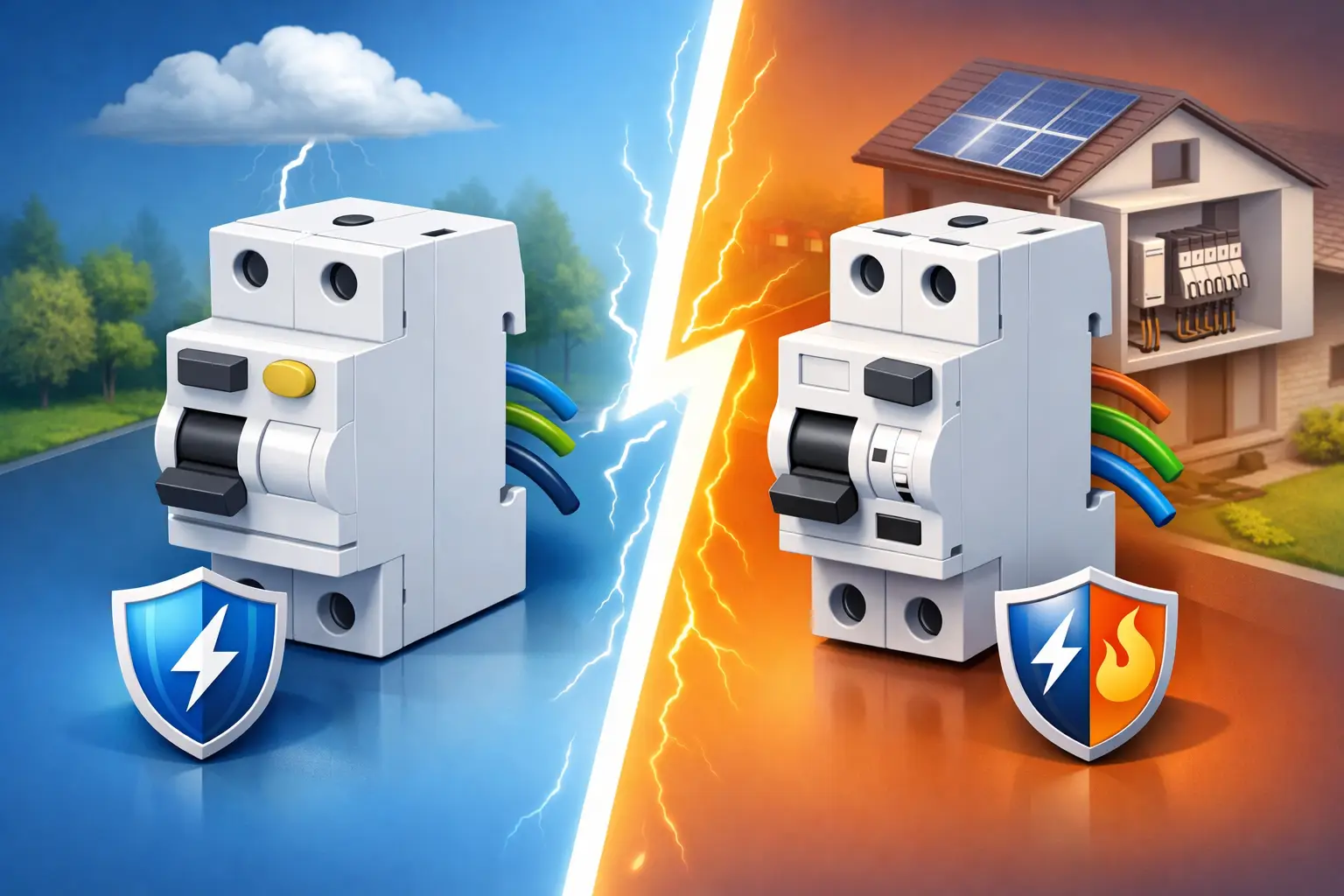
Understand RCD versus RCBO protection, how each device works and which option suits a safer, compliant consumer unit in London homes and businesses.