August 17, 2026

Need reliable electrical repairs in London? Learn which faults demand urgent attention, why DIY is risky and when a certified electrician should attend.







A buzzing sound from your consumer unit is not something to ignore. If you are asking, why does a fuse box buzz, the answer can range from a relatively minor component issue to a serious loose connection creating heat inside the unit. In either case, electrical noise should be assessed promptly by a qualified electrician, particularly in a busy London home, rental property, shop or office where circuits are under regular load.
The term “fuse box” is still widely used, although most modern properties have a consumer unit containing circuit breakers, RCDs and other protective devices. These components should operate quietly. A faint sound from a nearby electricity meter or certain control equipment can occasionally be normal, but buzzing, crackling or humming directly from the consumer unit deserves attention.
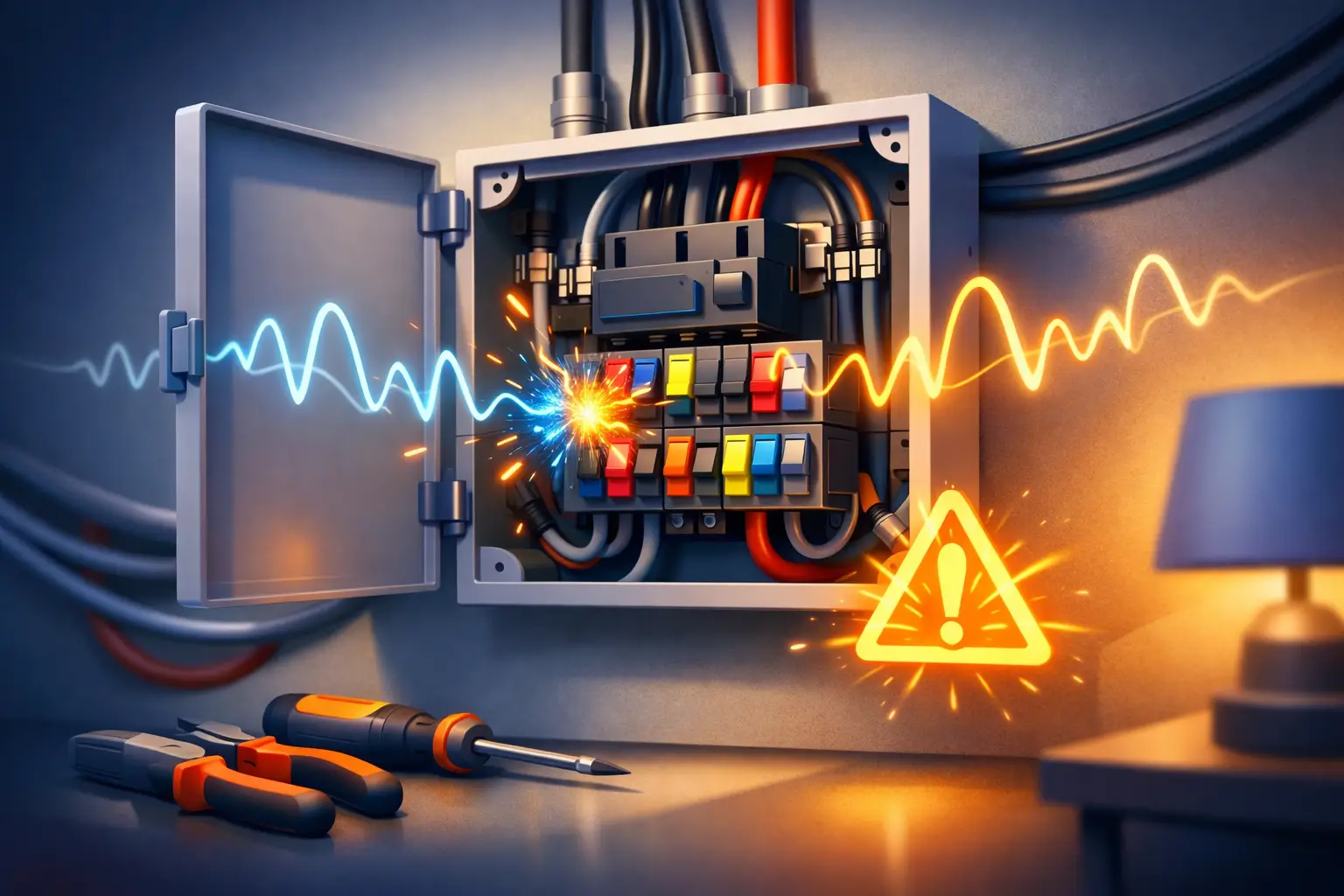
Electricity itself does not normally make an audible noise in a correctly installed consumer unit. When a fuse box buzzes, vibration or electrical arcing is often involved. Arcing occurs when electricity jumps across a gap rather than following its intended path through a secure connection. It can create heat, damage insulation and, in the worst cases, present a fire risk.
The urgency depends on the sound, the condition of the unit and any other warning signs. A brief, light hum may have a different cause from a loud, persistent buzz accompanied by a burning smell or a warm cover. The key point is that homeowners and property managers should not try to diagnose internal electrical components themselves.
Loose terminals are one of the most common reasons for buzzing. Connections can loosen over time through heat cycles, vibration, previous work or poor installation. When a cable or breaker terminal is not secure, the electrical current may cause it to vibrate or arc.
This can be particularly concerning where a circuit supplies high-demand equipment such as an electric shower, oven, immersion heater, commercial refrigeration or vehicle charger. The more current a circuit carries, the more quickly a poor connection can overheat. An electrician will isolate the supply, inspect the unit safely and test connections and components to identify the fault.
Overloading does not always make a consumer unit buzz, but it can expose an existing weakness. If too many appliances are operating on one circuit, cables and protective devices may be placed under greater strain than intended.
In homes, this often happens in kitchens and home offices where extension leads and multi-way adaptors have gradually become permanent fixtures. In commercial premises, added equipment, altered layouts or a change in how the space is used can leave an installation no longer suited to its load. A circuit that regularly trips, feels warm around the consumer unit or buzzes under heavy use should be checked rather than repeatedly reset.
Protective devices do wear out. A faulty MCB, RCD, RCBO or, in older installations, a fuse carrier can produce a hum or buzzing sound as internal parts vibrate. Older consumer units may also lack the protection expected in a modern installation.
Replacement of one component may be possible where the rest of the consumer unit is in good condition and compliant. However, if the unit is outdated, damaged or does not provide suitable RCD protection, a consumer unit upgrade may be the safer and more cost-effective option. The right solution depends on the condition of the existing wiring, the property’s electrical demand and the results of testing.
Moisture near electrical equipment can cause corrosion and tracking, where electricity follows an unintended path across contaminated or damp surfaces. This is more likely in properties affected by leaks, condensation or water ingress. Damage from pests, DIY work or a screw driven into concealed wiring can also create faults that eventually affect the consumer unit.
Discolouration around breakers, melted plastic, scorch marks or a hot smell are all urgent warning signs. Do not assume the issue will settle once an appliance is switched off. Electrical heat can continue to damage connections even when the noise appears intermittent.
Before assuming the consumer unit is at fault, consider what is installed around it. Electricity meters, economy-tariff switching equipment, contactors, doorbell transformers and smart-home controls can all make a low hum. A meter cabinet is often close to the consumer unit, which can make the source difficult to identify.
There is no need to remove covers or touch cables to investigate. Simply note where the sound seems loudest, whether it changes when particular appliances run, and whether any circuits trip. Those details can help an electrician reach the cause faster.
Treat the issue as urgent if the buzzing is loud, new, continuous or worsening. You should also act immediately if it is accompanied by a burning smell, heat, smoke, sparks, visible damage, repeated tripping or flickering lights.
If it is safe to do so and there is no smoke, fire or exposed live equipment, switch off the main switch at the consumer unit. Keep your hands dry, stand on a dry floor and do not touch the unit if it is hot, damaged or making a crackling sound. Do not remove the consumer unit cover, tighten terminals or replace breakers yourself.
Where there is smoke, fire, a strong burning smell or immediate danger, move people away from the area and call the emergency services. For landlords and commercial operators, isolate access to the affected electrical cupboard or plant area where possible, so staff, tenants or visitors cannot interfere with it.
A proper inspection is more than listening to the sound. The electrician will assess the consumer unit, protective devices, circuit loading, cable terminations and the condition of the installation. Testing may identify high resistance connections, insulation faults, inadequate earthing or a defective breaker that is not obvious from the outside.
They may also ask when the sound occurs. For example, buzzing only when the shower runs points towards a different investigation from a buzz that begins when lighting circuits are in use. In a commercial setting, the timing may coincide with heating, extraction, refrigeration or machinery starting up.
Once the fault is found, the repair could involve securing and testing a connection, replacing a faulty protective device, correcting circuit loading or recommending a consumer unit upgrade. Any work should be completed to current standards and supported by the appropriate certification where required.
Regular electrical maintenance is especially valuable in older London properties, converted flats and rented accommodation where wiring has often been altered over many years. An Electrical Installation Condition Report can identify deterioration, poor previous work and safety issues before they become an emergency.
Avoid overloading sockets, relying on daisy-chained extension leads or making unplanned additions to circuits. If you are adding a kitchen appliance, electric heating, air conditioning, EV charging or new commercial equipment, arrange for the electrical capacity to be assessed first. This protects both the installation and the people who rely on it.
For landlords, scheduled inspections and responsive repairs also support safer homes and help maintain electrical compliance. For businesses, preventive maintenance limits disruption, protects equipment and reduces the chance of an electrical fault affecting trading hours.
A buzzing fuse box is your property telling you that something needs checking. Acting early is usually safer, less disruptive and less costly than waiting for a small electrical fault to become a damaged consumer unit or a loss of power. EDL Electrical can provide prompt, professional fault finding across London when you need confidence in what is happening behind the consumer unit cover.
Need reliable electrical repairs in London? Learn which faults demand urgent attention, why DIY is risky and when a certified electrician should attend.
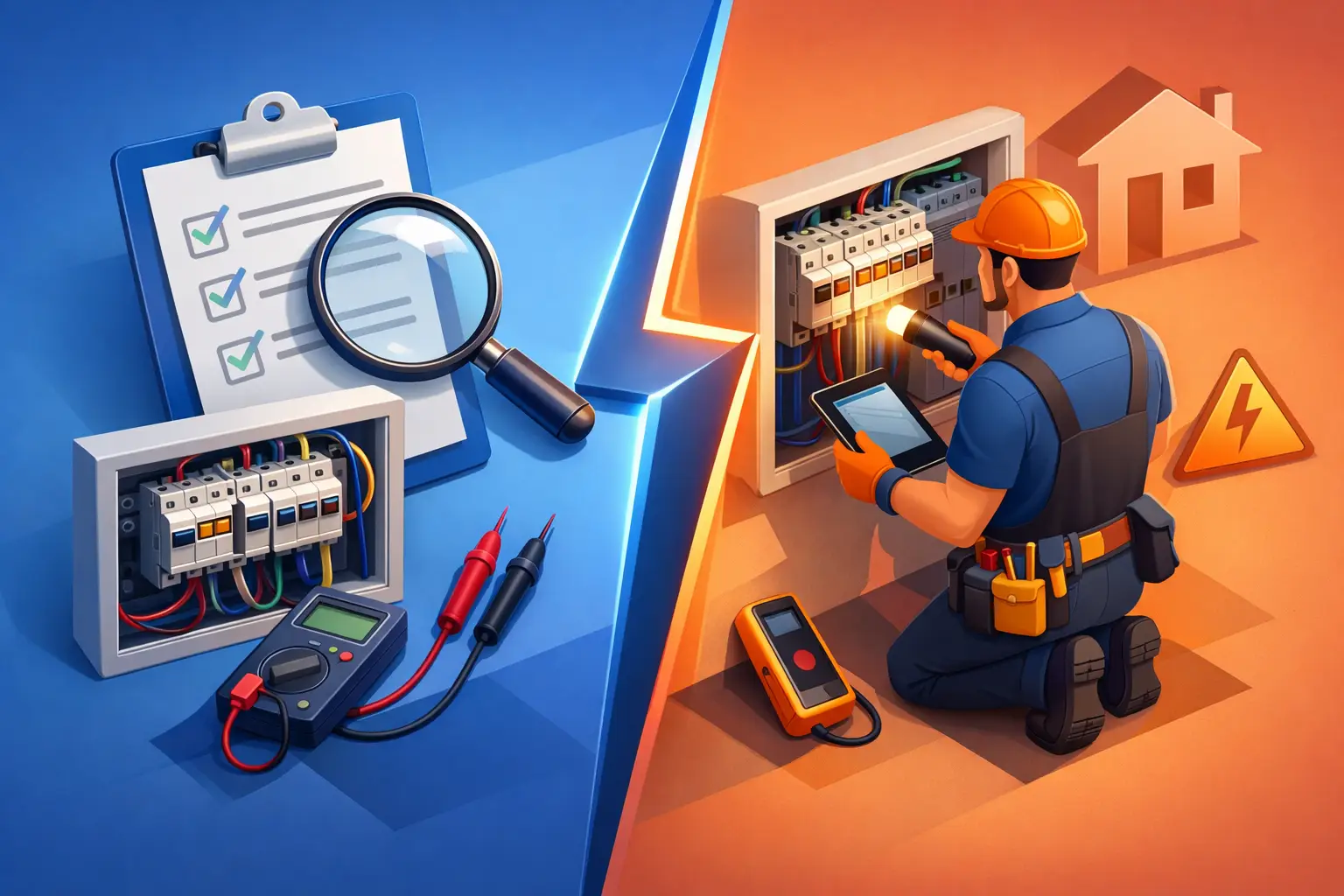
Understand the difference between an EICR vs electrical inspection, when each is needed, and how to keep your London property safe and compliant today.

Use this landlord electrical checklist to keep London rental properties safe, compliant and ready for tenants, from EICRs to practical checks and repairs.