
November 7, 2026

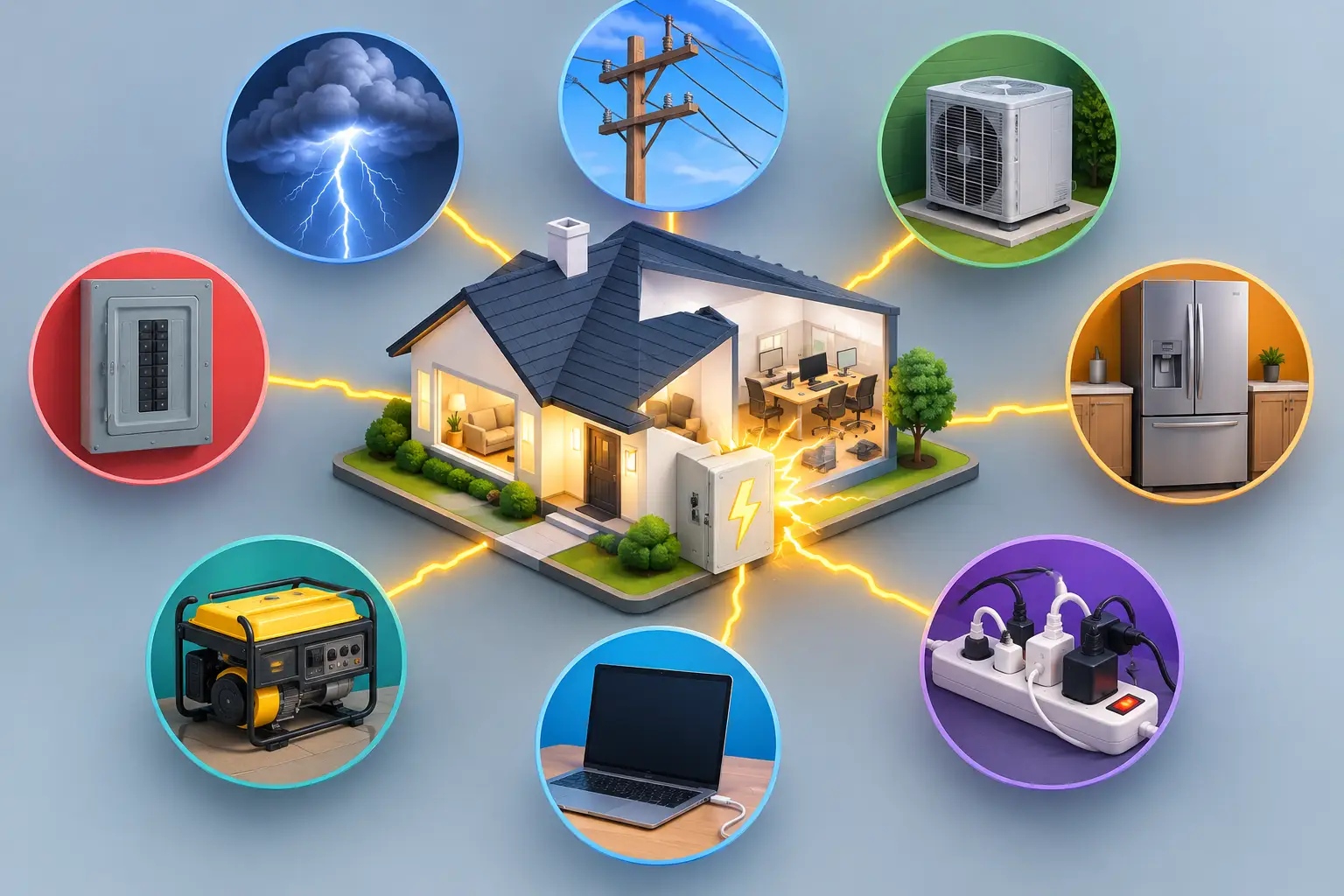
Learn the most common power surge causes in London properties, the warning signs to act on, and how certified protection keeps people and equipment...







A rental property can look ready for a new tenancy while hiding a loose socket, ageing consumer unit or damaged cable behind the scenes. A thorough landlord electrical checklist helps you identify risks before they become a failed inspection, tenant complaint or emergency callout. For London landlords, it is also a practical way to protect occupants, meet legal duties and keep void periods under control.
Electrical safety is not a one-off task completed when a property is purchased. Flats and houses experience wear from daily use, changes of tenancy, DIY alterations and the growing number of high-load appliances tenants bring into a home. Regular checks, supported by a valid Electrical Installation Condition Report (EICR), give you a clear record of the installation’s condition and any work required.
In England, landlords must ensure the fixed electrical installation in a privately rented property is inspected and tested by a qualified person at least every five years. This is recorded in an EICR. An inspection may be needed sooner if the report recommends an earlier date, if there has been significant damage or flooding, or if the property has undergone major alteration work.
You must provide a copy of the report to existing tenants within 28 days of the inspection and to new tenants before they move in. If a tenant asks for the report, it must be supplied within 28 days. A local authority can also request a copy, which must normally be provided within seven days.
Where the report identifies remedial work, it must be completed within 28 days or within the shorter period stated on the report. Keep written confirmation of the completed work. This is not paperwork for its own sake – it proves the faults were addressed and gives your tenant confidence that the property is being managed responsibly.
An EICR is the foundation, but it is not a substitute for a sensible visual inspection between tenancies. Use the following checklist before handing over keys, particularly after decorating, repairs or a change of occupants.
Check the report date, the recommended next inspection date and whether the outcome is satisfactory. Codes C1, C2 and FI require attention: C1 indicates immediate danger, C2 identifies a potentially dangerous condition, and FI means further investigation is needed. A report containing any of these observations should not be treated as a clean bill of health.
Do not assume that a recent report for a communal area covers the electrical installation inside an individual flat. In converted buildings, responsibilities can be split between landlord, freeholder and managing agent. Establish exactly which installation your report covers.
The consumer unit should be accessible, properly labelled and free from damage. Circuit labels should make sense to someone who needs to isolate power quickly, identifying areas such as sockets, lighting, cooker or shower circuits.
Modern installations should have suitable RCD protection, which can disconnect the supply quickly if it detects a fault. The test button should be checked in line with the manufacturer’s guidance, but landlords should not ask tenants to remove covers or carry out electrical repairs. If the unit is outdated, lacks appropriate protection, has exposed gaps or repeatedly trips, arrange an assessment by a qualified electrician.
Walk through every room, including hallways, cupboards, utility spaces and external areas. Look for cracked faceplates, loose accessories, scorch marks, buzzing, warmth around outlets, exposed cable, makeshift extensions or sockets that no longer hold plugs securely.
Pay close attention to kitchens. A toaster, kettle, microwave and air fryer can place substantial demand on a circuit, especially in a shared house. Too few usable outlets often leads to daisy-chained extension leads. Adding correctly installed sockets is usually safer than allowing a permanent tangle of adaptors.
Make sure fixed lights operate correctly in bedrooms, kitchens, bathrooms, communal corridors, stairways and entrances. Replace failed lamps with the correct type and rating. Repeatedly blowing lamps, flickering lights or switches that crackle are warning signs that need professional investigation.
External lighting deserves particular attention during darker months. A well-lit entrance, path or bin area can improve security and reduce trip risks. Ensure outdoor fittings are suitable for their location and that cables, fittings and sensors have not been damaged by weather or impact.
Water and electricity require careful design, not quick fixes. In bathrooms, check that fittings are appropriate for the relevant zone, extractor fans operate effectively and no electrical accessories are damaged or incorrectly positioned near water sources.
In kitchens, inspect cooker switches, extractor hoods, fixed appliances and under-cabinet lighting. If an appliance is supplied with the tenancy, it should be safe to use and maintained appropriately. A damaged flex, loose connection or appliance that trips the circuit should be taken out of use until it has been checked.
Portable Appliance Testing, commonly called PAT testing, is not a specific legal requirement for every appliance at a set interval. However, landlords still have a duty to ensure any electrical equipment they provide is safe. A risk-based testing and inspection programme is a sensible way to demonstrate that duty has been met.
This may include supplied washing machines, fridges, lamps, microwaves and vacuum cleaners. Record the appliance, its condition, inspection date and any action taken. Appliances left by former tenants should not automatically be treated as safe or included in the tenancy without checks.
While smoke and carbon monoxide alarms are not part of the fixed electrical installation, they should be checked at every tenancy change. Landlords must ensure required alarms are fitted and working on the first day of a new tenancy. In electrically heated homes, confirm any hard-wired alarms, emergency lighting or ventilation controls are operating as intended.
Also make sure tenants can access the consumer unit and know where it is located. In an emergency, they may need to switch off power quickly. Access should not be blocked by stored items, locked cupboards or landlord equipment.
Treat obvious danger as urgent. Burning smells, smoke, sparks, exposed live parts, electric shocks, a hot consumer unit or persistent tripping need immediate action. Isolate the affected circuit if it is safe to do so, keep occupants away from the area and arrange an emergency electrician. Do not reset a tripping breaker repeatedly in the hope it will hold.
Less urgent issues still need a clear plan. A cracked socket, poorly labelled consumer unit or failed extractor fan may not require an out-of-hours callout, but delaying repairs can create larger problems and leave tenants feeling ignored. Record the issue, arrange a qualified electrician and retain the invoice or completion certificate with your property documents.
If your property has older wiring, a fuse board with rewireable fuses, signs of repeated DIY work or a history of electrical faults, consider a wider inspection rather than repairing one visible defect at a time. Targeted repairs can be cost-effective, but a partial fix is not always the best long-term option for an ageing installation.
A reliable landlord electrical checklist works best when it becomes part of your property management routine. Keep the current EICR, remedial work certificates, appliance records, electrical invoices and tenant communications together. Set reminders well before the next inspection is due, rather than waiting until a renewal or sale forces the issue.
Ask tenants to report flickering lights, damaged sockets, tripping circuits and any shock or burning smell promptly. They are often the first people to notice changes, and early reporting can prevent disruption or danger. For landlords managing properties across London, a responsive electrician and clear maintenance process make all the difference when a small fault cannot wait.
Safe electrical systems are rarely noticed by tenants, which is exactly the point. A property that is properly inspected, well maintained and ready for everyday use gives everyone greater confidence from the first day of the tenancy.
Learn the most common power surge causes in London properties, the warning signs to act on, and how certified protection keeps people and equipment...
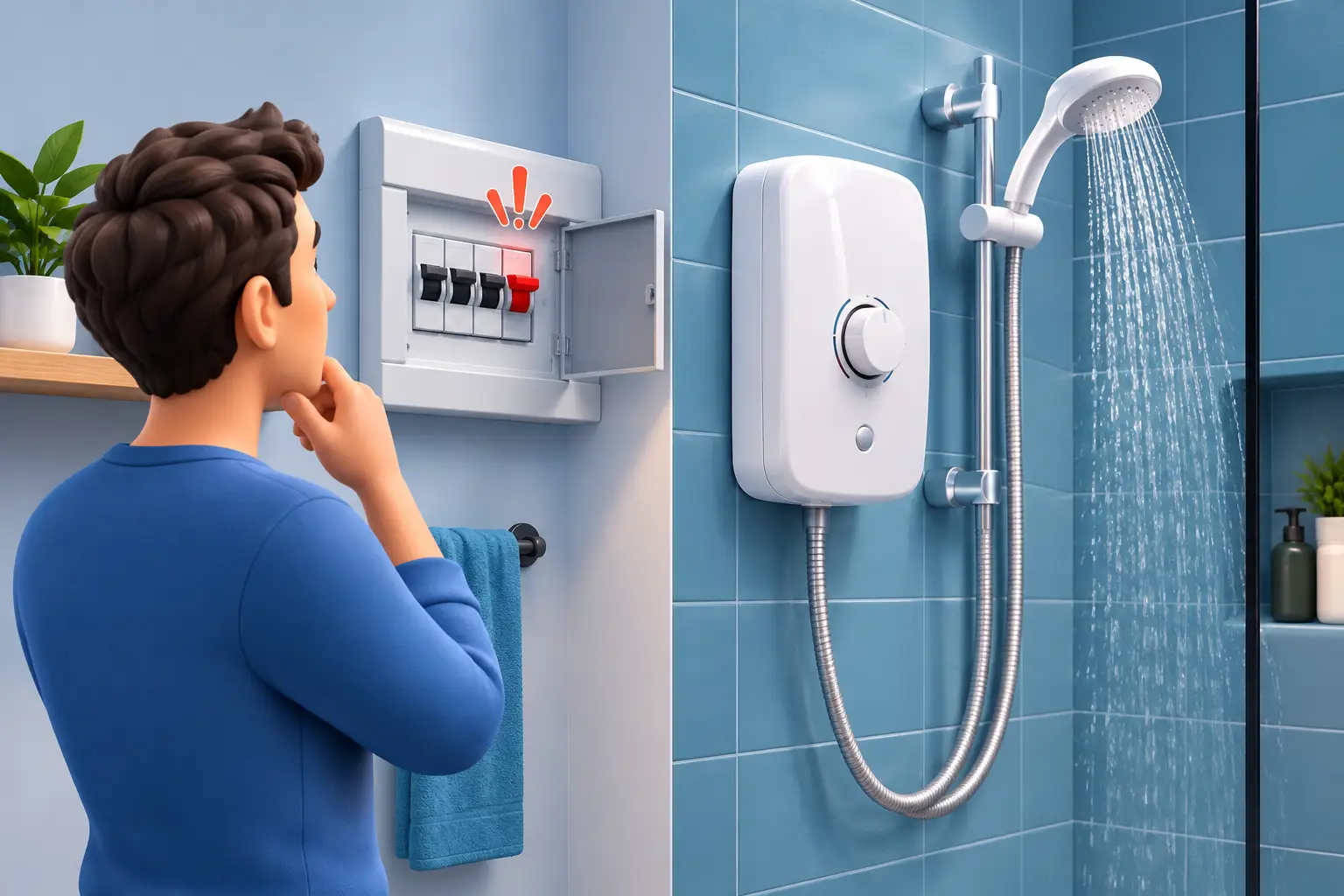
Electric shower keeps tripping? Learn the likely causes, what you can safely check and when to call a qualified London electrician for a lasting...

Why are sockets sparking suddenly? Learn the likely causes, what to switch off immediately and when to call a certified London electrician for help...