
September 22, 2026

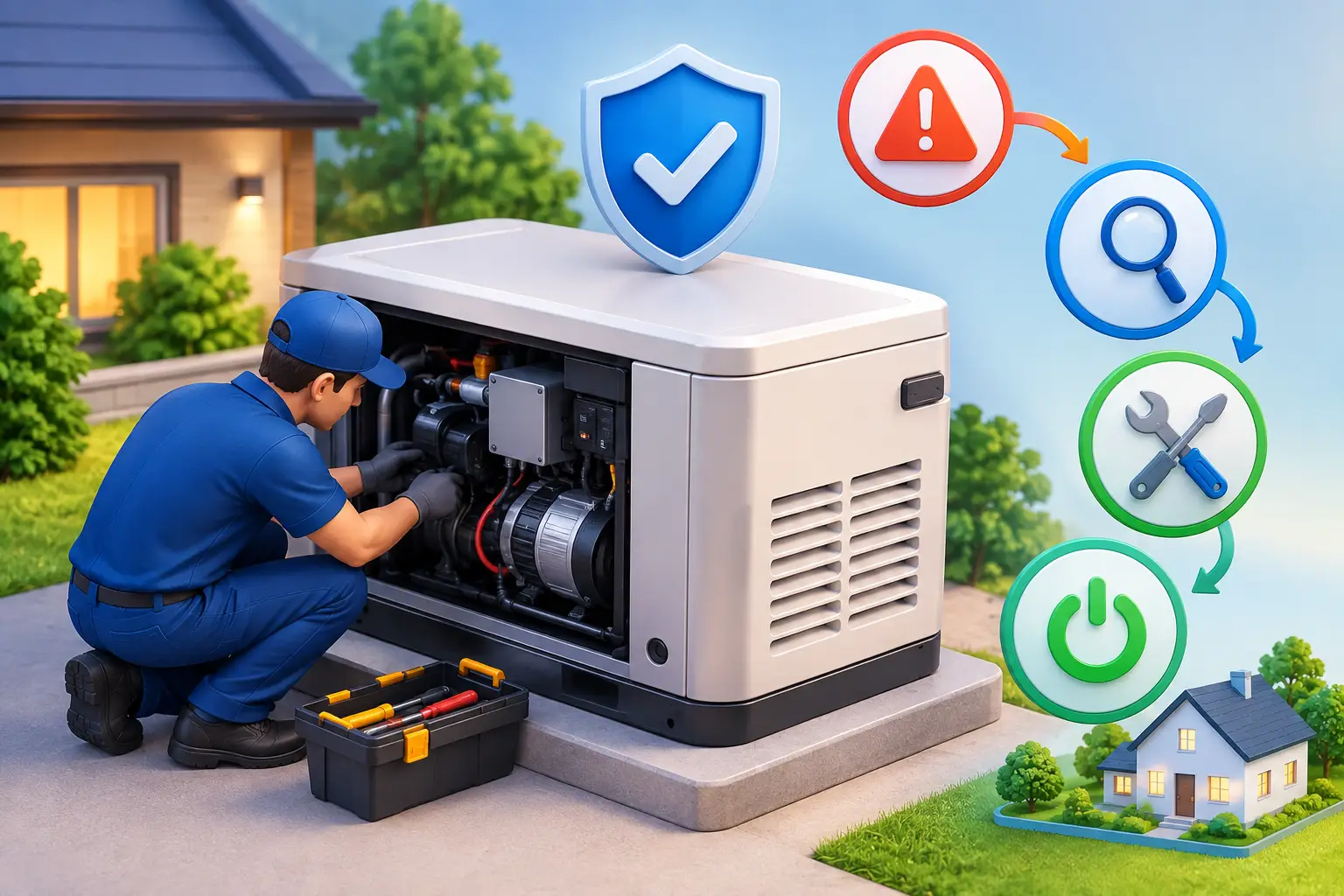
Generator failure recovery for London homes and businesses: immediate safety steps, fault checks and when to call a qualified electrician for urgent help.







A burning smell from a socket at 11pm, repeated power trips during a busy working day, or lights flickering across a rented flat are not faults to put off until next week. An emergency electrician can identify the source of the problem, make the installation safe and carry out the right repair before a small defect becomes a serious risk to people or property.
Electrical emergencies are rarely convenient, but the response should be calm and practical. Knowing the warning signs, taking a few safe steps and calling a qualified electrician gives homeowners, landlords and businesses the best chance of limiting disruption and protecting the building.
Not every electrical issue requires an immediate callout. A single failed light fitting, for example, may be suitable for a planned repair if there is no sign of damage, overheating or loss of essential power. However, faults involving fire risk, electric shock, water ingress or a complete loss of supply need urgent professional attention.
Call an emergency electrician if you notice any of the following:
If there is smoke, flames or an immediate danger to life, leave the property if necessary and call 999. Do not attempt to investigate a fire, remove a damaged cover or touch equipment that may be live. An electrician can deal with the electrical fault once the immediate emergency has been addressed.
The aim is to reduce risk without trying to diagnose or repair the fault yourself. If it is safe to do so, switch off the affected circuit at the consumer unit. If you cannot identify the circuit or there are signs of overheating at the board itself, do not touch it. Keep people away from the affected area and avoid using the socket, appliance or lighting circuit involved.
For a suspected faulty appliance, unplug it only if the plug, cable and socket are cool, dry and accessible. Never pull a plug from a socket that is hot, damaged, wet or producing smoke. Do not reset a tripped breaker repeatedly. A protective device trips for a reason, and forcing it back on can allow a fault to worsen.
Where water is involved, treat the situation with particular care. Water and electricity are a dangerous combination, whether the cause is a leaking roof, burst pipe, overflowing bathroom or flooded basement. Avoid the area, do not stand in water near electrical equipment and wait for professional advice.
It also helps to make a note of what happened just before the fault. Did a particular appliance start the tripping? Was electrical work recently carried out? Did the problem begin during heavy rain? These details can help the attending electrician trace the issue more efficiently.
Some of the most concerning faults are hidden behind walls, beneath floors or inside a consumer unit. A circuit may trip because of damaged cable insulation, a loose connection, moisture in an outside fitting or a failing appliance. Flickering lights can be caused by a worn component, but they can also indicate a loose connection that needs prompt investigation.
Older properties across London can present additional challenges. Extensions, alterations and previous refurbishment work may have left circuits poorly labelled or added demand to an installation that was not designed for modern use. High-load appliances, electric showers, induction hobs, EV chargers and home office equipment can expose weaknesses that were not obvious before.
The right repair depends on the fault found. In some cases, replacing a damaged accessory or isolating a faulty appliance resolves the issue. In others, the electrician may need to repair cabling, replace a protective device, improve earthing or recommend a consumer unit upgrade. A reliable emergency service does not guess at the cause or offer a temporary fix where the installation needs a proper repair.
A professional emergency visit begins with making the situation safe. This may involve isolating a circuit, testing for the presence of voltage and checking whether the fault affects other parts of the installation. The electrician should then use appropriate test equipment to identify the cause rather than relying only on a visual inspection.
Depending on the issue, this can include checking the consumer unit, RCD protection, circuits, sockets, switches, fixed wiring and connected appliances. The work should be explained in clear terms: what has failed, why it presents a risk, what repair has been completed and whether further work is recommended.
Certification and compliance matter, particularly when repairs involve fixed wiring or alterations to a property’s electrical installation. For homeowners, this provides confidence that the work has been completed correctly. For landlords and commercial operators, it supports their wider duties to maintain safe premises and keep appropriate electrical records.
For landlords, a tenant reporting a burning socket, loss of lighting or persistent tripping should be taken seriously. Delays can put occupants at risk, cause further damage and lead to avoidable disputes. An emergency callout can make the installation safe, while any wider remedial work can be planned once the immediate hazard has been controlled.
Commercial properties bring different pressures. A power failure can affect trading, security systems, refrigeration, IT equipment, ventilation or emergency lighting. The fastest solution is not always simply restoring every circuit straight away. A careful electrician may need to isolate the faulty section so safe areas can remain operational while the underlying problem is located.
Property managers also benefit from a clear record of the fault, the actions taken and any recommended follow-up work. This is especially useful in multi-let buildings, offices, shops and mixed-use properties where one issue can affect several occupiers.
Speed matters, but it should not be the only consideration. Look for an electrician who is properly qualified, experienced with fault finding and clear about the work required. A professional should ask sensible questions before attending, provide realistic expectations and prioritise safety over quick cosmetic fixes.
Local coverage is valuable in London, where traffic, parking restrictions and property access can affect response times. It is also useful to choose a company that can handle follow-on work. An emergency repair may reveal the need for testing, rewiring, upgraded protection, lighting repairs or a new consumer unit. Using one dependable electrical contractor can make the next steps simpler and more consistent.
EDL Electrical provides 24/7 emergency support alongside planned residential and commercial electrical work, helping clients address urgent faults and arrange any necessary repairs with the same focus on safety and professional standards.
When an electrical fault feels wrong, treat that instinct seriously. Isolate what you safely can, keep clear of damaged equipment and arrange qualified help promptly. A timely response protects more than the wiring – it protects the people who rely on the property every day.
Generator failure recovery for London homes and businesses: immediate safety steps, fault checks and when to call a qualified electrician for urgent help.

Security lighting helps London homes and businesses deter intruders, protect access routes and improve visibility. Guidance on choosing and proper upkeep.
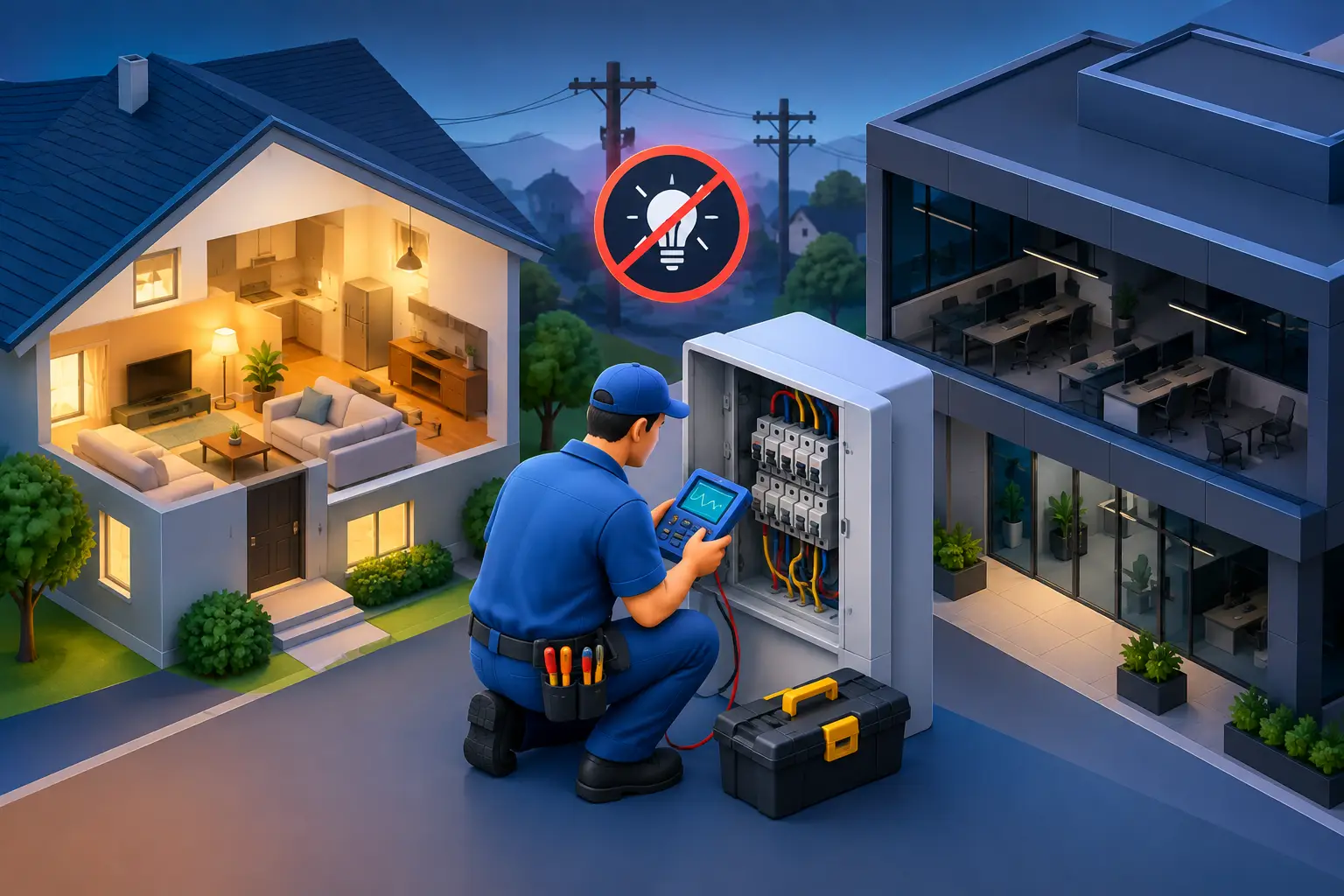
Need power cut fault diagnosis in London? Learn how to check your consumer unit safely, spot urgent risks and know when to call a...