
September 22, 2026

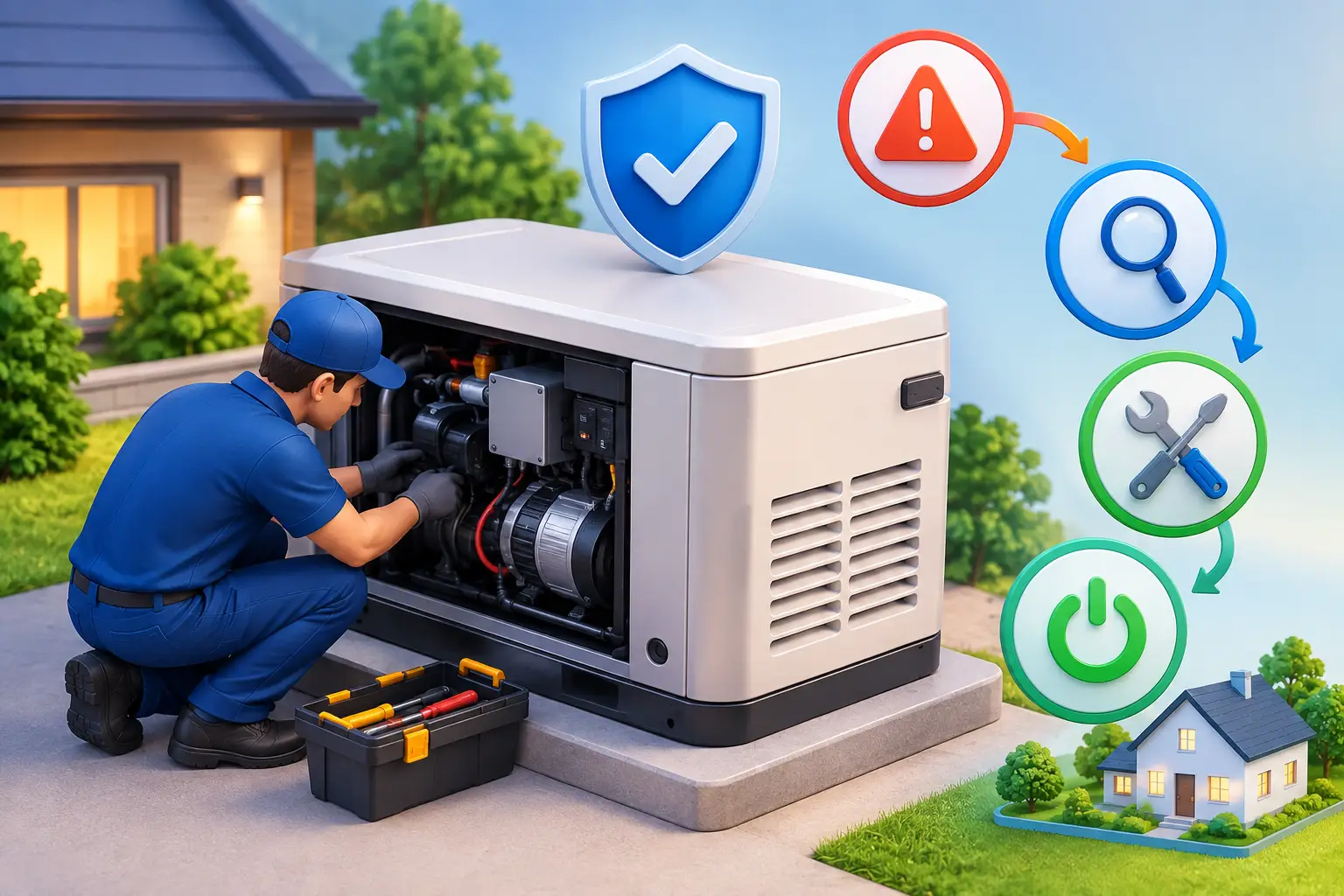
Generator failure recovery for London homes and businesses: immediate safety steps, fault checks and when to call a qualified electrician for urgent help.







A tenant reporting a tripping fuse board, scorch marks near a socket or repeated loss of power is not just an inconvenience. It can quickly become a safety issue, a repair cost and a compliance concern. A landlord electrical safety certificate gives landlords clear evidence that the fixed electrical installation in a rented property has been inspected and assessed by a competent electrician.
For rental properties in England, this document is more accurately called an Electrical Installation Condition Report, or EICR. It is one of the most practical ways to protect tenants, meet legal duties and identify developing faults before they cause disruption or danger.
A landlord electrical safety certificate is the common name used for an EICR completed on a rental property. The inspection covers the condition of the permanent electrical installation, including the consumer unit, circuits, cabling, sockets, switches, lighting points and protective devices.
It does not simply confirm that lights switch on. An electrician tests whether the installation can continue to be used safely, checks for deterioration and assesses whether modern protective measures are in place where required. The report records the findings, any remedial work needed and the recommended date of the next inspection.
For landlords, the key point is that an EICR is an assessment of the installation at the time of testing. It is not a guarantee that no fault can ever develop afterwards. A damaged appliance, tenant alterations or wear and tear can still create risks between inspections. Regular maintenance remains sensible, particularly in busy HMOs, older properties and homes with frequent changes of tenancy.
The Electrical Safety Standards in the Private Rented Sector (England) Regulations 2020 require private landlords to have the electrical installation inspected and tested at intervals of no more than five years. A shorter period may apply if the report recommends it.
Landlords must also provide a copy of the report to a new tenant before they move in. Existing tenants should receive a copy within 28 days of the inspection, while a local authority must be given a copy within seven days if it requests one. The report should be retained until the next inspection is due.
These requirements apply to most privately rented homes in London, whether the property is a flat, house or HMO. Managing agents can arrange inspections on a landlord’s behalf, but the legal responsibility for compliance remains with the landlord.
An EICR should not be confused with an Electrical Installation Certificate. An Electrical Installation Certificate is normally issued after new electrical work, such as a replacement consumer unit or a rewire. It confirms that the new work has been installed and tested correctly. An EICR checks the condition of an existing installation and is the report normally required for landlord compliance.
An EICR is a detailed process rather than a quick visual look around the property. The electrician will inspect accessible parts of the installation and carry out appropriate testing to verify that circuits and protective devices operate safely.
The inspection commonly considers the condition of the consumer unit, earthing and bonding arrangements, circuit protection, socket outlets, switches, lighting circuits and signs of overheating, damage or poor previous work. Testing may also identify issues that cannot be seen, such as poor insulation resistance, inadequate fault protection or incorrect polarity.
Access matters. Cupboards, service risers and areas around the consumer unit should be clear before the appointment. Tenants should be told when the electrician is attending, as power may need to be isolated briefly while certain tests are completed. In larger properties or buildings with shared electrical systems, arranging access early can prevent delays and repeat visits.
The inspection concerns fixed wiring. Landlords still have a separate duty to ensure that electrical appliances they provide, such as cookers, washing machines and portable heaters, are safe. Portable appliance testing can be useful as part of a sensible maintenance regime, but it does not replace an EICR.
At the end of the inspection, the report will be marked satisfactory or unsatisfactory. An unsatisfactory result does not always mean the entire installation needs replacing. It means the report has identified observations that need attention before the installation can be considered safe for continued use.
Observations are normally coded according to their severity. A C1 observation identifies danger requiring immediate action. A C2 observation indicates a potentially dangerous condition that needs urgent remedial work. FI means further investigation is required without delay because a possible safety issue could not be confirmed during the inspection. Any C1, C2 or FI observation will usually result in an unsatisfactory report.
A C3 observation is an improvement recommendation. It may point to an older feature that does not meet current standards but is not necessarily unsafe. For example, an electrician may recommend upgrading protective devices or improving circuit labelling. Whether to carry out C3 improvements immediately depends on the condition of the property, the wider electrical system and planned refurbishment work, but they are often worth considering for long-term reliability.
If remedial work is required, landlords must ensure it is completed within 28 days, or sooner if the report specifies a shorter timeframe. They must then obtain written confirmation that the work has been completed or that further investigation has established the installation is safe. This confirmation should be supplied to tenants and, if requested, the local authority.
London’s rental market includes Victorian conversions, post-war blocks, period terraces and newer developments, often with very different electrical histories. A property may have been redecorated and modernised several times while retaining ageing circuits, overloaded extensions or a consumer unit that no longer provides suitable protection.
Older does not automatically mean unsafe. A well-maintained installation can remain serviceable, while a newer one may have faults caused by poor alterations. The value of a professional inspection is that it assesses the actual condition of the installation rather than relying on the property’s age or appearance.
Landlords should be especially alert when buying a rental property, inheriting a block management responsibility or planning a kitchen refurbishment. These are useful moments to review the electrical system, as new high-load appliances, additional sockets and altered layouts can place greater demand on existing circuits.
The report is only as useful as the inspection behind it. Use a qualified, competent electrician who has the testing equipment, experience and certification needed to inspect residential rental installations properly. A clear report should identify the property, describe the scope and limitations of the inspection, record test results and explain any observations in understandable terms.
Be cautious of unusually low-cost inspections that appear to promise a certificate regardless of the installation’s condition. A proper EICR takes time, and its purpose is to find genuine faults, not simply produce paperwork. The price can vary according to the size of the property, number of circuits, access arrangements and whether the installation is straightforward or has been altered over many years.
If remedial work is recommended, ask for a clear explanation of what is required, why it is needed and whether any work must be completed urgently. This helps landlords budget sensibly while ensuring C1 and C2 issues are dealt with without delay.
The simplest approach is to record the EICR expiry date as soon as the report is issued and schedule the next inspection well before it is due. Keep the report, remedial certificates and any records of electrical upgrades together with other tenancy documents. This creates a clear trail if a tenant, agent, buyer or local authority asks for evidence.
Between inspections, respond quickly to reports of burning smells, hot sockets, recurring tripping, electric shocks or flickering lights. These signs should never wait until the next scheduled test. Isolate the affected circuit where safe to do so and arrange an urgent assessment by a qualified electrician.
For London landlords, electrical compliance is not a box-ticking exercise. It is a practical part of keeping a property safe, lettable and dependable. A properly completed EICR, followed by prompt repairs where needed, gives both landlord and tenant greater confidence that the property is being looked after properly.
Generator failure recovery for London homes and businesses: immediate safety steps, fault checks and when to call a qualified electrician for urgent help.

Security lighting helps London homes and businesses deter intruders, protect access routes and improve visibility. Guidance on choosing and proper upkeep.
Need power cut fault diagnosis in London? Learn how to check your consumer unit safely, spot urgent risks and know when to call a...