September 22, 2026

Generator failure recovery for London homes and businesses: immediate safety steps, fault checks and when to call a qualified electrician for urgent help.







A flickering light may be a simple fitting fault. A repeatedly tripping circuit, burning smell or damaged consumer unit can point to a more serious problem hidden within the wiring. An electrical installation condition report gives property owners a clear, professional assessment of the fixed electrical installation, helping them make informed decisions before minor defects become safety risks or disruptive failures.
For homeowners, landlords and business owners across London, it is not just paperwork. It is evidence that the electrical installation has been inspected by a competent electrician, with any faults recorded clearly and prioritised according to their risk.
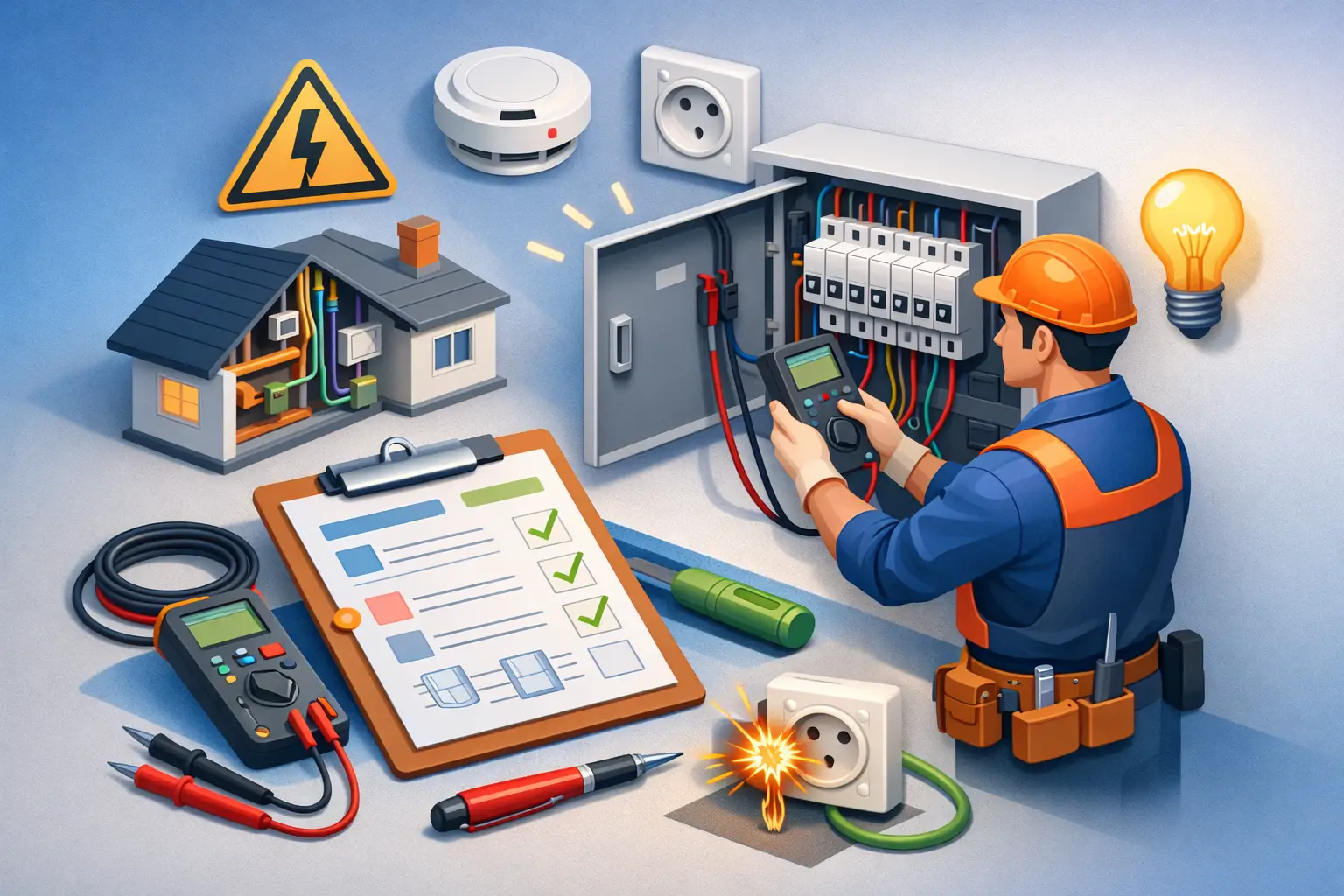
An electrical installation condition report, commonly called an EICR, is a formal inspection of a property’s fixed wiring and electrical equipment. This includes the consumer unit or fuse board, circuits, sockets, switches, fixed lighting, earthing and bonding arrangements, and electrical accessories that form part of the installation.
The purpose is to establish whether the installation is safe for continued use. The electrician checks for deterioration, damage, poor workmanship, overloading, outdated protective devices and signs that previous alterations may not meet the required standard.
An EICR is different from an Electrical Installation Certificate. A certificate is normally issued after new installation work or a significant alteration. An EICR assesses an existing installation and identifies whether remedial work is needed.
It also differs from portable appliance testing. PAT testing relates to movable appliances such as kettles, extension leads, computers and power tools. An EICR focuses on the electrical system fixed to the property.
Electrical systems are largely out of sight. Cables run behind walls, beneath floors and above ceilings, while protective devices inside a consumer unit may only reveal their condition when a fault occurs. A property can appear to function normally while still carrying risks such as inadequate earthing, loose connections or circuits without suitable protection.
A professional inspection provides practical reassurance. It can reveal defects before they lead to electric shock, overheating, fire risk or unexpected loss of power. This is particularly valuable in older London properties, converted flats and buildings that have been extended or altered over many years.
For landlords in England, periodic electrical safety checks are a legal obligation for rented homes. The installation must be inspected and tested at the required intervals, generally at least every five years, and the relevant report must be provided to tenants and retained as required. If the report identifies work that is necessary, it must be addressed within the stated timescale.
Commercial operators also have a duty to maintain electrical systems safely. There is no single inspection interval that suits every workplace. A small, low-use office may need a different testing frequency from a busy restaurant, retail unit, workshop or shared commercial building. The appropriate interval depends on the age, use, condition and environment of the installation.
Homeowners are not usually subject to the same landlord reporting rules, but an EICR remains a sensible part of responsible maintenance. It is especially worthwhile before buying a property, after major renovation work, when moving into an older home, or if there are recurring electrical faults.
A proper inspection is more than a quick look at the consumer unit. The electrician begins by reviewing the installation as far as access allows, looking for visible signs of damage, unsuitable equipment, unsafe alterations and missing safety measures.
Testing then confirms how the circuits perform. Depending on the property and its wiring, this may include checks of earthing and bonding, circuit continuity, insulation resistance, polarity, protective device operation and RCD performance. RCDs are designed to disconnect the supply quickly when they detect certain faults, so their correct operation is a key part of modern electrical safety.
Some testing may require circuits to be isolated temporarily. This is planned carefully to minimise disruption, but it is worth allowing for downtime, particularly in occupied homes, offices, shops and properties with critical equipment. A reliable electrician will explain the likely process before work starts and flag any access requirements.
The inspection has limitations. Areas that cannot be accessed safely without opening up the building fabric may be recorded as such. An EICR is also a report on the condition at the time of inspection, not a guarantee that no fault can ever develop afterwards. Its value lies in providing a qualified assessment based on inspection and testing, with clear recommendations where further work is needed.
If faults are found, they are recorded using standard observation codes. These codes help the property owner understand what requires immediate attention and what should be improved as part of planned maintenance.
C1 – Danger present. There is an immediate risk of injury and urgent action is required. The electrician may need to make the affected part safe before leaving the property.
C2 – Potentially dangerous. The issue is not necessarily causing immediate harm, but it needs remedial work without delay to prevent it becoming dangerous.
FI – Further investigation required. The inspector has identified a concern that cannot be fully assessed during the visit. Further investigation is needed promptly to determine the condition and risk.
C3 – Improvement recommended. This does not usually make the installation unsatisfactory on its own, but it highlights an improvement that would increase safety or bring the installation closer to current standards.
A report with C1, C2 or FI observations will normally be recorded as unsatisfactory until the relevant issues have been resolved or properly investigated. C3 observations should not be ignored simply because they do not automatically make the report unsatisfactory. They can be useful when planning upgrades, especially where an older consumer unit or changing property use may justify modernisation.
The same issues appear regularly across homes and commercial premises, although every installation is different. Older fuse boards may lack RCD protection on circuits where it is now expected. Damaged sockets, loose accessories and overloaded circuits are also common, particularly where a property has adapted to increased electrical demand without a corresponding upgrade.
In flats and converted buildings, earthing and bonding arrangements can require careful attention. Bathrooms, kitchens and outdoor areas bring additional considerations because moisture and external conditions increase the consequences of electrical faults. In commercial settings, wear from daily use, unrecorded alterations and unsuitable equipment can create problems that are easy to overlook.
An EICR does not automatically mean a full rewire is needed. Sometimes the right solution is targeted remedial work, such as replacing damaged accessories, correcting connections, improving earthing or upgrading protective devices. In other cases, extensive ageing, poor previous work or limited circuit capacity can make a consumer unit replacement or partial or full rewire the more sensible long-term choice. The right answer depends on the test results, the property’s condition and how the installation is used.
Landlords should arrange inspections early enough to avoid a last-minute compliance problem, particularly between tenancies or before a report expires. Leaving it until the final week can create avoidable pressure if remedial work is identified.
For owner-occupied homes, a periodic inspection is generally recommended at longer intervals than rented accommodation, often around ten years for a well-maintained domestic property. However, an earlier inspection is sensible after flood or fire damage, before a purchase, following extensive building work, or where warning signs appear.
These warning signs include frequent tripping, shocks or tingles from metal fittings, hot sockets, crackling switches, scorch marks, lights that dim when appliances operate, and burning smells. If any of these occur, do not wait for a routine inspection. Isolate the affected circuit if it is safe to do so and arrange urgent assessment by a qualified electrician.
Businesses should consider their operational needs alongside compliance. A planned inspection outside trading hours may reduce disruption, while a staged approach can help larger premises keep essential areas operating. The report should become part of a wider maintenance record, alongside any remedial certificates and details of later alterations.
Once testing is complete, you should receive a report that sets out the installation details, test results, any limitations, observations and the overall outcome. Read it as a practical action document, not just a pass-or-fail form.
If remedial work is required, ask for clear scope, priorities and costs. Immediate safety issues should be dealt with first. Improvements that are not urgent can often be planned around a refurbishment, tenancy change or wider electrical upgrade. After remedial work, retain the relevant documentation as evidence that the issues have been addressed.
A well-timed EICR gives you control: you can budget for improvements, protect occupants and avoid discovering a preventable fault at the worst possible moment. For dependable inspection, remedial work and responsive support across London, EDL Electrical can help keep your property’s electrical installation in safe working order.
Generator failure recovery for London homes and businesses: immediate safety steps, fault checks and when to call a qualified electrician for urgent help.

Security lighting helps London homes and businesses deter intruders, protect access routes and improve visibility. Guidance on choosing and proper upkeep.
Need power cut fault diagnosis in London? Learn how to check your consumer unit safely, spot urgent risks and know when to call a...