
August 21, 2026

Understand RCD testing frequency for homes, rentals and workplaces. Learn when to press the test button and when a qualified electrician should attend.







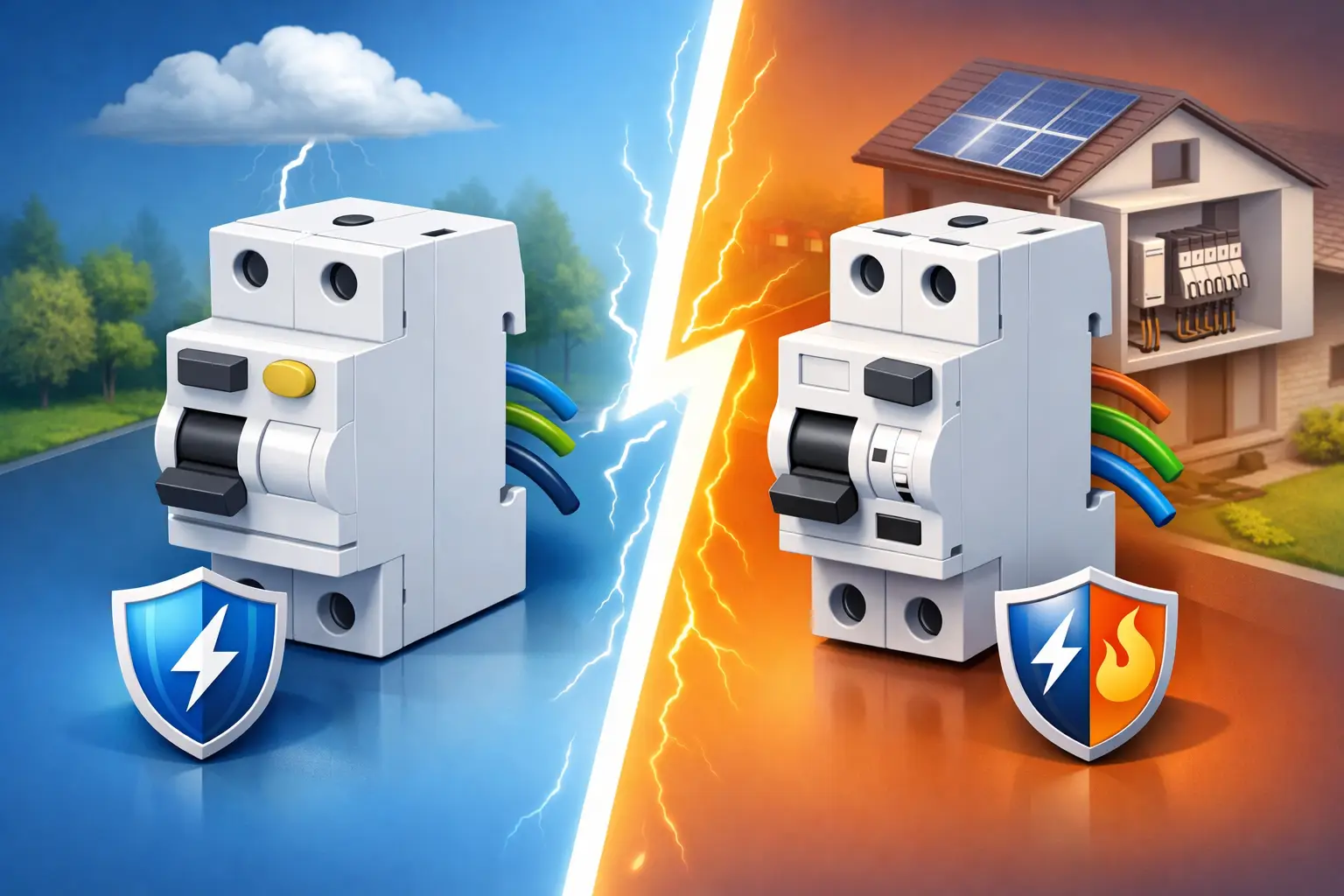
A consumer unit can look perfectly tidy while still leaving a property vulnerable to unnecessary outages. The choice between RCD versus RCBO protection affects what happens when a fault occurs: whether one circuit is disconnected or whether large parts of the property lose power at once. For homeowners, landlords and commercial property managers, that difference matters when safety, continuity and compliance are all on the line.
Both devices are designed to reduce the risk of electric shock and fire caused by earth leakage. However, they do not protect circuits in the same way. Understanding the practical difference helps you make a better decision when upgrading a consumer unit, responding to an unsatisfactory EICR observation, or planning electrical work in a London property.
An RCD, or residual current device, monitors the electrical current flowing through a circuit. Under normal conditions, the current flowing out on the live conductor should match the current returning through the neutral conductor. If the RCD detects an imbalance, it may indicate that electricity is escaping to earth – potentially through damaged wiring, a faulty appliance or a person.
The device disconnects the supply quickly when leakage exceeds its operating threshold. A 30 mA RCD is commonly used to provide additional protection against electric shock on many final circuits.
An RCD does not provide overload or short-circuit protection by itself. It therefore works alongside circuit breakers, such as MCBs, which are responsible for protecting cables against excessive current. In many older or more basic consumer unit layouts, several circuits are grouped beneath one RCD, with a separate MCB for each circuit.
This arrangement can be cost-effective, but it has a clear drawback. A fault on one circuit can cause every circuit protected by that RCD to trip. In a home, that could mean losing lighting, sockets, a boiler supply or a fridge-freezer together. In a commercial setting, it may interrupt computers, lighting, security systems or equipment that should remain operational.
An RCBO combines the functions of an RCD and an MCB in one device. It monitors for earth leakage while also protecting the individual circuit against overload and short circuit faults.
Rather than sharing RCD protection across multiple circuits, each RCBO is fitted to its own circuit. If a fault develops on the downstairs socket circuit, for example, the RCBO for that circuit should disconnect while lighting, the cooker, alarms and other circuits remain live.
This is known as improved fault discrimination. It makes faults easier to identify and limits the inconvenience caused by a trip. For properties with multiple occupants, home offices, electric heating, refrigeration, servers or critical business equipment, that added continuity is often a major benefit.
The key difference is not that one device makes a property safe and the other does not. Both can play a valid role in a properly designed installation. The issue is how widely a fault affects the rest of the electrical system.
With a shared RCD arrangement, a single earth leakage fault can isolate several circuits at once. With RCBO protection, the trip is normally contained to the circuit where the fault has occurred. This reduces disruption and can make diagnosis quicker for a qualified electrician.
Consider a rental property where a faulty washing machine causes an earth leakage trip. On a shared RCD board, the tenant may also lose kitchen sockets, hallway lighting and the boiler controls, depending on the circuit arrangement. With RCBOs, only the affected socket circuit should be disconnected. The tenant can safely isolate the appliance and report the issue without the entire property being left in the dark.
There is also a safety consideration. Modern consumer unit design aims to minimise the impact of a single fault wherever reasonably practicable. Separating circuits appropriately can help maintain essential services, particularly where smoke alarms, lighting, heating controls or security equipment are involved.
RCBO-equipped consumer units have become a popular choice for full upgrades and significant alterations. They offer a clear, circuit-by-circuit approach to protection and are well suited to the demands of modern properties.
Homes now commonly have more circuits than they did years ago, including induction hobs, electric vehicle chargers, garden offices, underfloor heating, air conditioning and smart-home equipment. Businesses may have dedicated circuits for IT equipment, shutters, emergency lighting, refrigeration or specialist machinery. Individual RCBO protection provides better separation between these loads.
RCBOs can also simplify fault finding. If only one RCBO has tripped, the electrician has a more focused starting point. That does not mean the source of the issue is always obvious – earth leakage can be caused by an appliance, moisture ingress, damaged cable insulation or a problem on the fixed wiring – but it narrows the investigation.
For landlords, fewer widespread outages can mean fewer urgent calls from tenants and less avoidable disruption. For businesses, keeping unaffected circuits live can reduce downtime. These are practical benefits, not just technical refinements.
An RCD-based arrangement is not automatically wrong or unsafe. The suitability of an existing board depends on its condition, circuit design, test results, protective devices and the requirements that applied when it was installed. A satisfactory EICR does not necessarily mean every circuit must be converted to RCBO protection immediately.
Budget can be a factor. A shared RCD arrangement may cost less than fitting RCBOs to every circuit, especially where a consumer unit has many outgoing ways. Compatibility matters too. Protective devices must be suitable for the specific consumer unit and installed in line with the manufacturer’s requirements. Mixing components from different manufacturers is not a shortcut a competent electrician should take.
There are also cases where a targeted approach is sensible. A property owner may choose to improve protection for particular circuits during renovation work, such as a new kitchen, garden supply or loft conversion, while planning a full consumer unit replacement later. The right option depends on the installation rather than a one-size-fits-all rule.
Choosing between RCDs and RCBOs is only part of the picture. The type, rating and arrangement of the device must suit the circuits and connected equipment.
Many modern electronic appliances can produce fault currents that older RCD types may not handle as intended. Type A devices are commonly selected for domestic and commercial circuits containing electronic loads, although the correct type must always be determined by the installation design and the equipment in use. Certain equipment, including some electric vehicle charging systems, may need additional or specific measures.
A qualified electrician will also consider whether surge protection is required, the condition of the earthing arrangement, circuit loading, cable sizes and the need to avoid unwanted tripping. These decisions are connected. Fitting a more advanced protective device cannot compensate for damaged wiring, poor connections or an incorrectly designed circuit.
The test button on an RCD or RCBO is there for a reason. It checks that the mechanical tripping function operates, but it does not replace professional inspection and electrical testing. Manufacturers’ guidance should be followed for routine test-button checks, and any device that will not reset or behaves unexpectedly should be assessed by an electrician.
If an RCD or RCBO trips repeatedly, do not keep resetting it and hope the problem disappears. Unplug portable appliances on the affected circuit where it is safe to do so, then seek professional advice. Repeated tripping can point to a developing fault that needs proper investigation.
During an EICR, an electrician tests the installation and records observations based on the condition found. The report can identify issues with protective devices, earthing, circuit condition and other safety concerns. It provides the evidence needed to decide whether repairs, upgrades or a consumer unit replacement are appropriate.
For a straightforward property with a sound existing installation, shared RCD protection may remain serviceable. For a major renovation, a new consumer unit, a busy rental property or premises where loss of power carries real operational consequences, RCBO protection is often the more practical long-term choice.
The best decision starts with an assessment of the actual installation, not an assumption based on the consumer unit’s appearance. Circuit use, the age of the wiring, future plans for the property and the outcome of inspection and testing should all shape the recommendation.
A properly designed consumer unit should protect people first while keeping disruption to a minimum when faults occur. If you are unsure how your current board is arranged, a certified electrician can identify the protection in place and explain the most sensible next step for your property.
Understand RCD testing frequency for homes, rentals and workplaces. Learn when to press the test button and when a qualified electrician should attend.
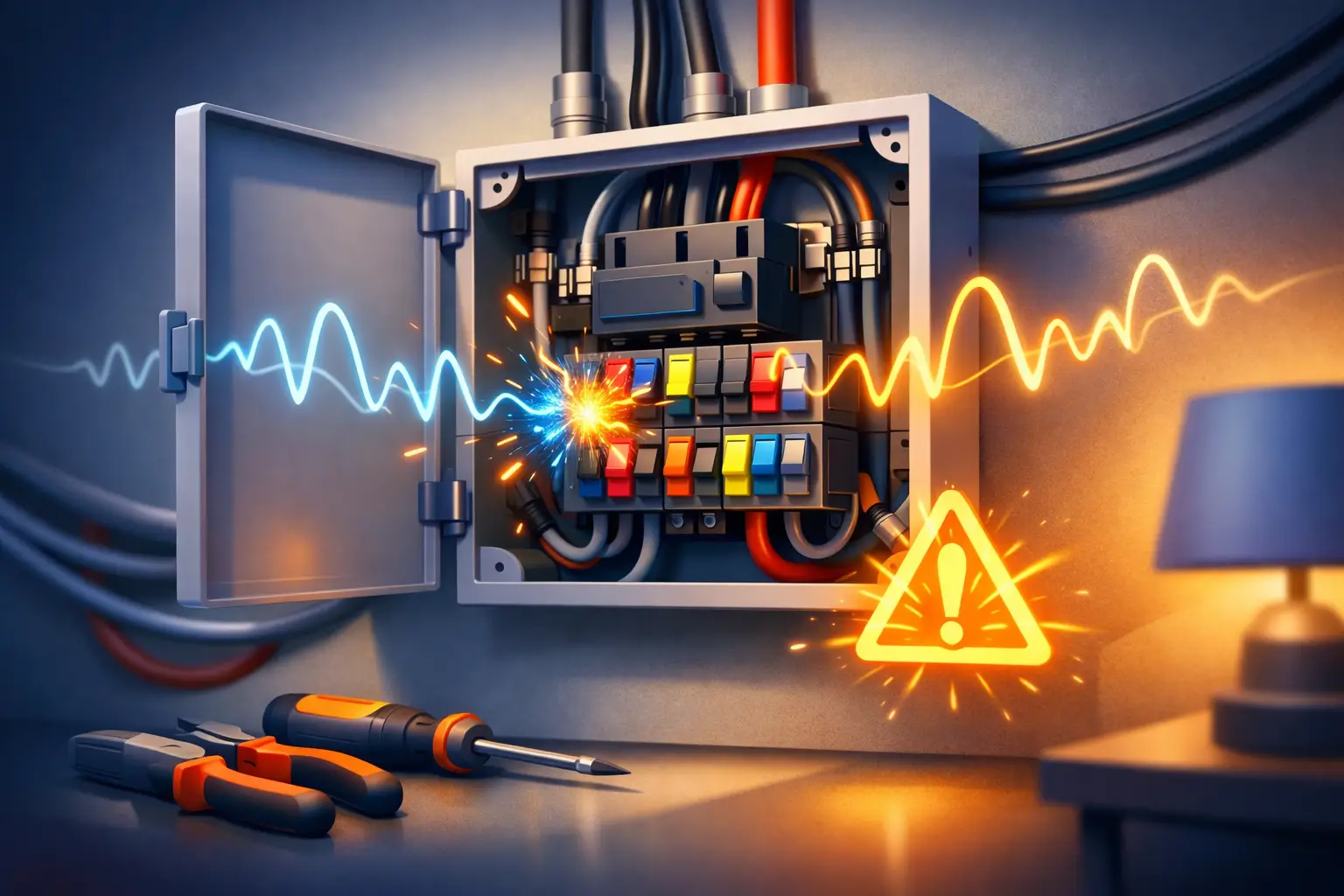
Why does a fuse box buzz? Learn the likely causes, what you can safely check, and when London property owners need an urgent qualified...

Need reliable electrical repairs in London? Learn which faults demand urgent attention, why DIY is risky and when a certified electrician should attend.