
September 22, 2026

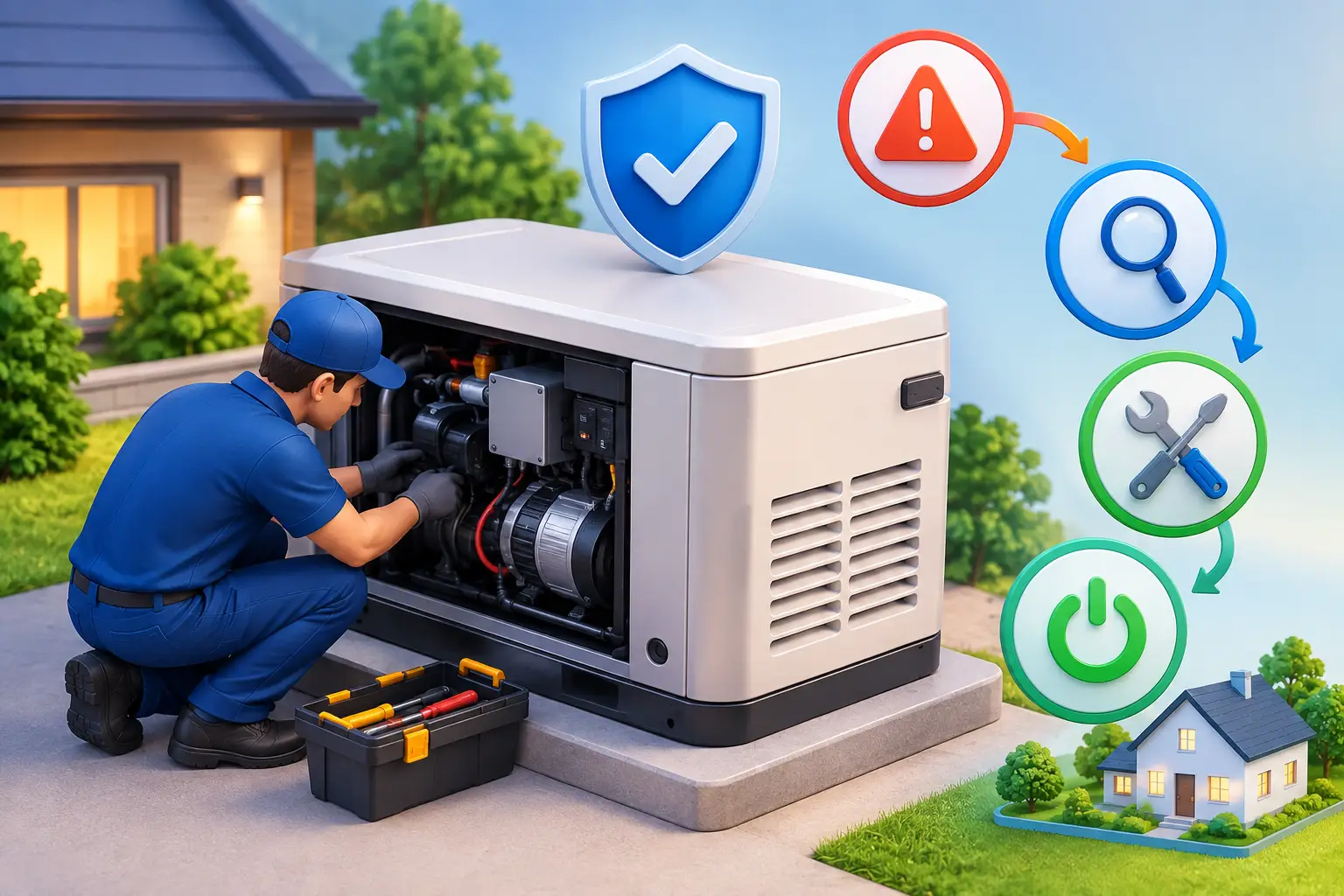
Generator failure recovery for London homes and businesses: immediate safety steps, fault checks and when to call a qualified electrician for urgent help.







A light that flickers when the washing machine starts, a socket that feels warm, or a fuse box that trips without an obvious reason can be easy to dismiss. Yet these are often early warnings of an electrical fault. Knowing how to spot faulty wiring gives homeowners, landlords and business owners a chance to act before a minor defect causes damage, disruption or a serious safety risk.
Faulty wiring is not always visible. Much of it sits behind plaster, under floorboards or above ceilings, particularly in older London properties that may have been altered several times over the years. The safest approach is to recognise the signs, reduce immediate risk and arrange an inspection by a qualified electrician rather than trying to trace or repair the fault yourself.
A circuit breaker or RCD is designed to cut off the supply when it detects a fault or an unsafe electrical condition. One trip after a storm or a single overloaded extension lead may have a clear cause. Repeated tripping, however, should never be reset and ignored.
If the same circuit trips when you use particular lights, sockets or appliances, there may be damaged cabling, a loose connection, moisture ingress or a faulty appliance. Unplug portable equipment first and see whether the issue persists. If it does, leave the circuit switched off and arrange professional fault finding. Do not keep resetting the breaker in the hope it will hold.
A loose bulb can make one fitting flicker, so start with the simple check: turn off the power, allow the lamp to cool and make sure the bulb is correctly fitted. If several lights flicker, dim when appliances start, or brighten unexpectedly, the issue may be more serious.
Changes in lighting can point to a poor connection within the circuit, an overloaded supply or a problem at the consumer unit. In commercial premises, lighting faults can also affect emergency lighting and safe access routes. An electrician can test the circuit and identify whether the problem is local to a fitting or part of the wider installation.
Sockets, switches and plug tops should not become hot during normal use. A little warmth from a phone charger or a high-load appliance can occur, but a faceplate that is noticeably hot, yellowed, cracked, loose or marked with brown scorch marks needs urgent attention.
Heat usually means resistance at a connection. That can develop where terminals are loose, wiring is damaged or a socket is being asked to carry more load than it was designed for. Switch off the circuit if it is safe to do so, stop using the outlet and avoid covering or touching the affected area.
Electrical installations should operate quietly. A persistent buzzing from a socket, switch, light fitting or consumer unit can indicate a loose connection or arcing – electricity jumping across a gap. Crackling noises deserve the same response, even if they stop after a few seconds.
A sharp burning smell, melting plastic odour or visible smoke is an emergency. Turn off the electricity at the consumer unit only if you can do so without approaching damaged equipment. Evacuate the immediate area where necessary and call for urgent electrical assistance. Never use water on an electrical fire.
A tingle from a tap, metal appliance, light switch or socket is not normal. It may indicate an earthing fault, damaged insulation or a fault within an appliance. Stop using the item immediately and do not assume rubber-soled shoes or a dry floor make it safe.
Similarly, appliances that cut out unexpectedly, chargers that become excessively hot, or plugs that need to be held at a certain angle to work can reveal a damaged lead, worn socket or poor connection. The fault may be with the appliance rather than the fixed wiring, but a qualified electrician can establish this safely through testing.
Electrical faults rarely appear without a reason. In London homes, age is often part of the picture. Older wiring may have deteriorated insulation, outdated accessories or circuits that no longer suit modern demand. A property that once supplied a few lamps and basic kitchen appliances may now support electric showers, induction hobs, home-office equipment, charging points and multiple entertainment devices.
Alterations can create problems too. DIY work, poorly installed extensions, concealed cables damaged by drilling, and previous refurbishment carried out without proper testing can all leave defects behind. In rental and commercial properties, frequent changes of occupancy and everyday wear can add further strain to sockets, leads and fittings.
Damp is another factor. Bathrooms, kitchens, basements, external lighting and plant rooms require suitable equipment and correct installation methods. Water does not have to be visibly dripping onto a fitting to cause trouble – gradual moisture ingress can corrode connections and compromise insulation.
Some electrical issues can wait for a booked appointment, but others call for immediate action. Treat the situation as urgent if you notice smoke, sparks, a burning smell, exposed wires, a hot consumer unit, repeated tripping that affects essential circuits, or an electric shock.
Keep people away from the affected area and do not attempt to remove a cover, dismantle a socket or handle exposed conductors. If there is a fire or immediate danger, call the emergency services first. For an electrical fault that is controlled but unsafe, a 24/7 electrician can isolate the problem, make the installation safe and advise on the permanent repair required.
Landlords and commercial operators should be particularly careful not to restore a circuit simply to keep a tenant, shop or office running. A temporary loss of power is inconvenient; continuing to use a potentially dangerous installation can put people at risk and may create compliance issues.
There are sensible observations you can make without putting yourself in danger. Note which room, circuit, appliance or time of day is linked to the fault. Check whether a plug lead is visibly frayed, whether a bulb is loose, and whether an extension lead is overloaded. Unplugging appliances before resetting a tripped breaker can also help narrow down whether portable equipment is involved.
Beyond that, stop. Do not remove socket fronts, open the consumer unit, join damaged cables with tape or replace protective devices with a higher rating. These actions can bypass safeguards and make a hidden defect far more dangerous. Electrical fault finding depends on calibrated test equipment and an understanding of earthing, circuit protection and the condition of the full installation.
Visual clues are useful, but they cannot confirm the condition of cables behind walls or the effectiveness of protective devices. Professional inspection and testing can identify loose connections, insulation damage, incorrect polarity, inadequate earthing, overloaded circuits and faults that have not yet produced obvious symptoms.
For landlords, an Electrical Installation Condition Report is a practical way to understand the safety of a rental property and meet ongoing responsibilities. Homeowners may benefit from an inspection after buying an older property, completing renovation work, experiencing recurring faults or before adding high-demand equipment. Businesses should also plan periodic testing around the type of premises, usage and risk profile.
Where defects are found, the right solution depends on the condition and extent of the installation. It may be a straightforward repair to a fitting or circuit. In other cases, a consumer unit upgrade, additional circuits or partial rewiring is the safer long-term option. A competent electrician should explain the findings clearly and distinguish between urgent remedial work and improvements that can be planned.
If something electrical feels wrong, smells wrong or behaves unpredictably, trust that instinct and stop using it. EDL Electrical provides qualified inspection, repair and emergency support across London, helping property owners make faults safe and keep their electrical systems dependable.
Generator failure recovery for London homes and businesses: immediate safety steps, fault checks and when to call a qualified electrician for urgent help.

Security lighting helps London homes and businesses deter intruders, protect access routes and improve visibility. Guidance on choosing and proper upkeep.
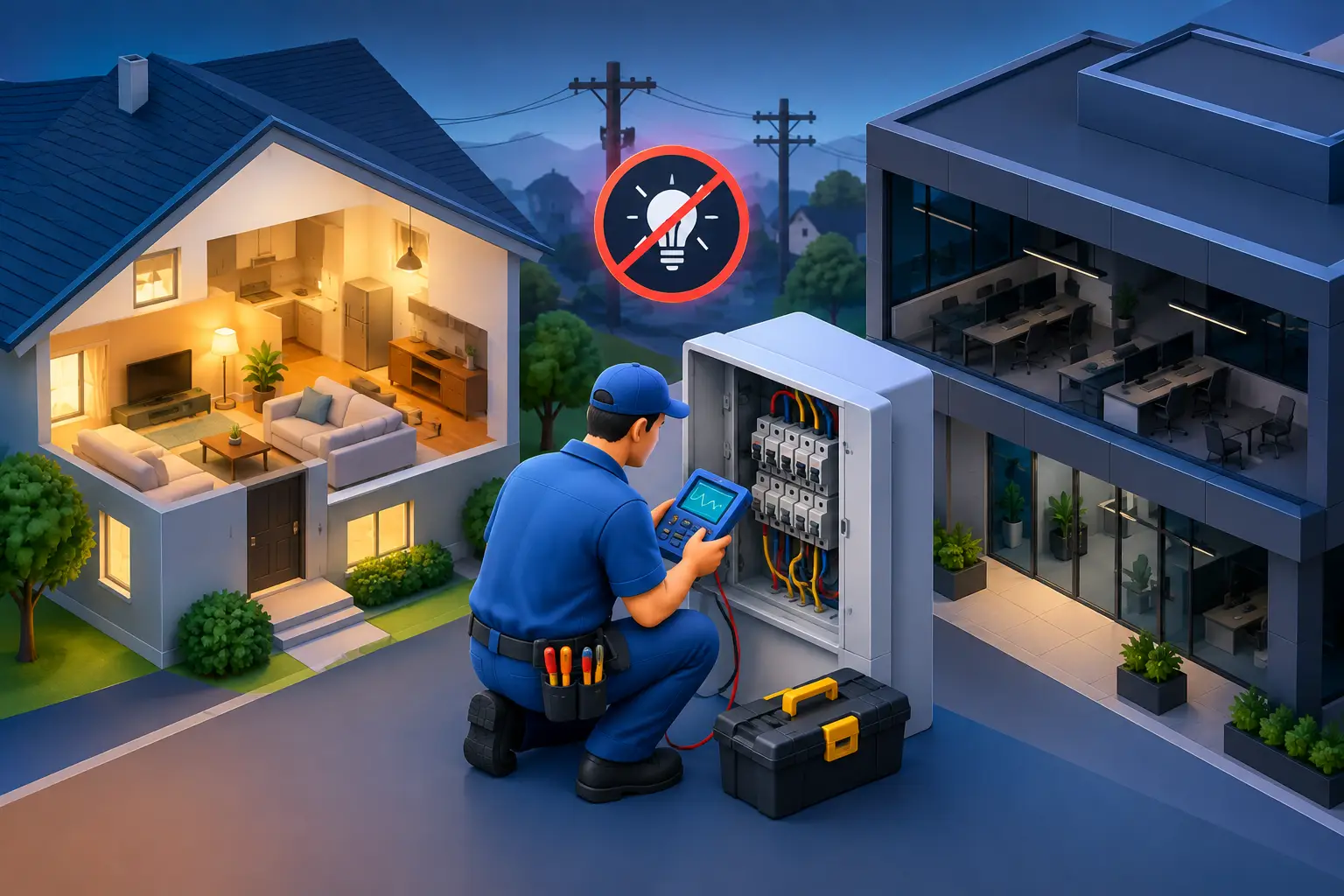
Need power cut fault diagnosis in London? Learn how to check your consumer unit safely, spot urgent risks and know when to call a...