
November 7, 2026

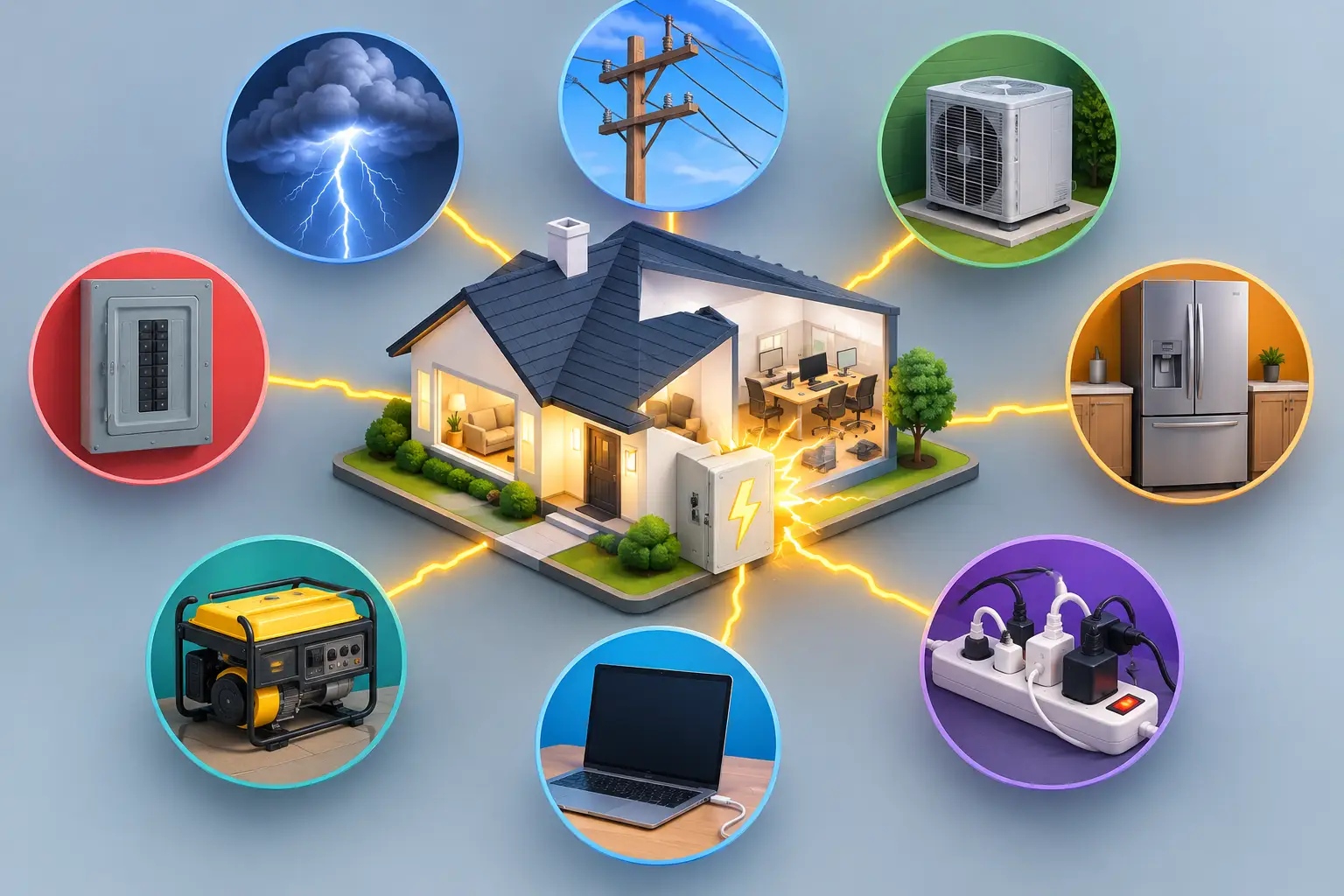
Learn the most common power surge causes in London properties, the warning signs to act on, and how certified protection keeps people and equipment...







A power cut is rarely just an inconvenience. For a home, it can mean a failed boiler, defrosting food and lost security systems. For a business, it can stop tills, servers, emergency lighting, refrigeration or essential equipment. Professional generator installation gives London property owners a controlled, safe way to keep selected services running when the mains supply fails.
The right system is not simply a generator connected to a building. It must be correctly sized, positioned, protected and integrated with the existing electrical installation. Most importantly, it must prevent electricity from feeding back into the public network, which creates serious danger for occupants, neighbouring properties and utility engineers.
A standby generator should provide power where it matters most, without compromising the safety or performance of the main installation. That starts by identifying the loads that genuinely need to remain live during an outage.
In a home, critical circuits may include the boiler, fridge-freezer, selected lighting, broadband equipment, security alarms, gates and a small number of sockets. A larger property may also require a sump pump, lift controls or medical equipment supply. Trying to power every circuit can significantly increase the generator size, fuel use, noise and installation cost, often without delivering better value.
For commercial premises, the priority may be different. A retailer could need card payment systems, lighting and refrigeration. An office might need server equipment, communications and access control. In mixed-use buildings, common-area lighting, fire safety systems and pumps may take precedence. The most reliable approach is to agree a clear essential-loads schedule before equipment is selected.
Generator capacity is usually discussed in kilowatts or kVA, but the correct rating cannot be chosen from floor area alone. An experienced electrician will assess the electrical load, starting currents and the way equipment operates in real conditions.
Motors, pumps, compressors and air conditioning units can draw substantially more power when starting than when running. A generator that appears adequate on paper may struggle or shut down if several high-demand items start together. Conversely, oversizing a generator can mean unnecessary capital cost and poor operating efficiency at light loads.
A proper survey should also consider the existing consumer unit or distribution board, earthing arrangement, cable routes, available space and the distance between generator and changeover equipment. In London, access constraints can be just as important as the electrical design. A unit that cannot be delivered, ventilated, serviced or refuelled safely is not a practical solution.
Petrol generators can suit occasional, portable use, but they are rarely the best answer for a permanent backup arrangement. Diesel generators are common for larger commercial standby duties because they are durable and readily suited to extended use. LPG or natural-gas systems can be a strong option where fuel storage is restricted or a reliable gas supply is available.
The right choice depends on expected runtime, fuel availability, noise limits, emissions requirements, budget and maintenance needs. A homeowner needing short-term resilience during occasional outages will have different requirements from a restaurant protecting refrigeration or a managed block supporting essential building services.
The key component in a fixed installation is the changeover arrangement. This safely isolates the property from the mains supply before generator power is connected. It ensures the generator supplies only the intended circuits and cannot back-feed electricity into the grid.
A manual changeover switch may be appropriate where an owner or facilities team can start the generator and transfer the load when required. It is simpler and can reduce costs, but it relies on someone being present and following the correct sequence.
An automatic transfer switch, often called an ATS, monitors the incoming supply. When it detects a failure, it can start the generator and transfer nominated circuits automatically. When mains power returns and is stable, it transfers the supply back and allows the generator to cool down before stopping. This is often the preferred option for properties where continuity is time-critical, including offices, healthcare settings, security-sensitive sites and buildings with essential pumps.
Neither option should be treated as a simple plug-in accessory. Changeover equipment must be designed for the installation, properly rated and installed in line with current electrical requirements. Earthing and neutral arrangements also need particular attention, as these affect how protective devices operate during a fault.
A generator produces heat, exhaust gases and noise. It needs a suitable external location or purpose-designed enclosure with adequate ventilation, safe exhaust discharge and enough clear space for inspection and maintenance. Installing a generator in a garage, basement, cupboard or enclosed yard without proper design can create a serious carbon monoxide and fire risk.
Noise should be addressed early, especially in terraced homes, flats, schools, hospitality venues and densely occupied commercial areas. Acoustic enclosures, anti-vibration mounts and careful positioning can reduce disturbance, but they do not remove the need to consider neighbours and local restrictions.
Fuel storage requires equal care. Diesel and LPG systems need appropriate containment, separation from ignition sources and safe access for refuelling. Planning requirements, building control considerations, landlord permissions and environmental rules can vary according to the property, location and system size. A site-specific assessment avoids costly changes later.
Permanent generator work forms part of the property’s electrical installation and should be completed by competent electricians who can test, inspect and certify the work. The installation must meet the requirements of BS 7671, with appropriate protection, isolation, cable selection and labelling.
For domestic properties in England, certain electrical work may also fall under Part P of the Building Regulations. Landlords and commercial duty holders must consider their wider safety responsibilities too, particularly where the generator supports communal systems, staff areas or public-facing premises.
Clear labelling is essential. Anyone working on the property in future must be able to identify that an alternative supply exists, understand how it is isolated and know which circuits are backed up. This is a practical safety measure, not an administrative detail.
A generator that has not been run for months is not proven backup power. Batteries can fail, fuel can degrade, filters can block and control faults can remain hidden until the first real outage. Regular testing gives owners confidence that the generator will start, transfer the load and operate as intended.
The right maintenance frequency depends on the generator type, use pattern and manufacturer guidance. As a minimum, arrangements should cover routine visual checks, battery condition, fuel quality, oil and coolant levels, controlled test runs and periodic load testing. Systems supporting critical commercial operations may require a documented maintenance plan and recorded test results.
It is also sensible to review the essential-loads schedule over time. A property may add equipment, alter a heating system, refurbish office space or change the use of a unit. What was correctly sized five years ago may no longer support current priorities.
The most expensive generator installation problems usually begin with assumptions. Buying a unit before calculating the load can lead to underperformance. Connecting a generator through an unsuitable socket or improvised cable can expose people to electric shock and fire. Ignoring ventilation, exhaust routing or noise can make an otherwise capable system unusable.
Another common issue is treating backup power as a substitute for electrical maintenance. A generator will not correct overloaded circuits, damaged cabling, poor earthing or an outdated consumer unit. Those concerns should be resolved before a standby supply is introduced.
For London homeowners, landlords and businesses, the best result comes from looking at the whole system: the building’s priorities, the existing installation, safe changeover, fuel strategy and long-term servicing. EDL Electrical can assess these factors and deliver generator solutions designed around the property rather than a one-size-fits-all specification.
A carefully planned generator gives more than electricity during a cut. It gives you time to protect your property, maintain essential services and respond calmly when the supply is unavailable.
Learn the most common power surge causes in London properties, the warning signs to act on, and how certified protection keeps people and equipment...
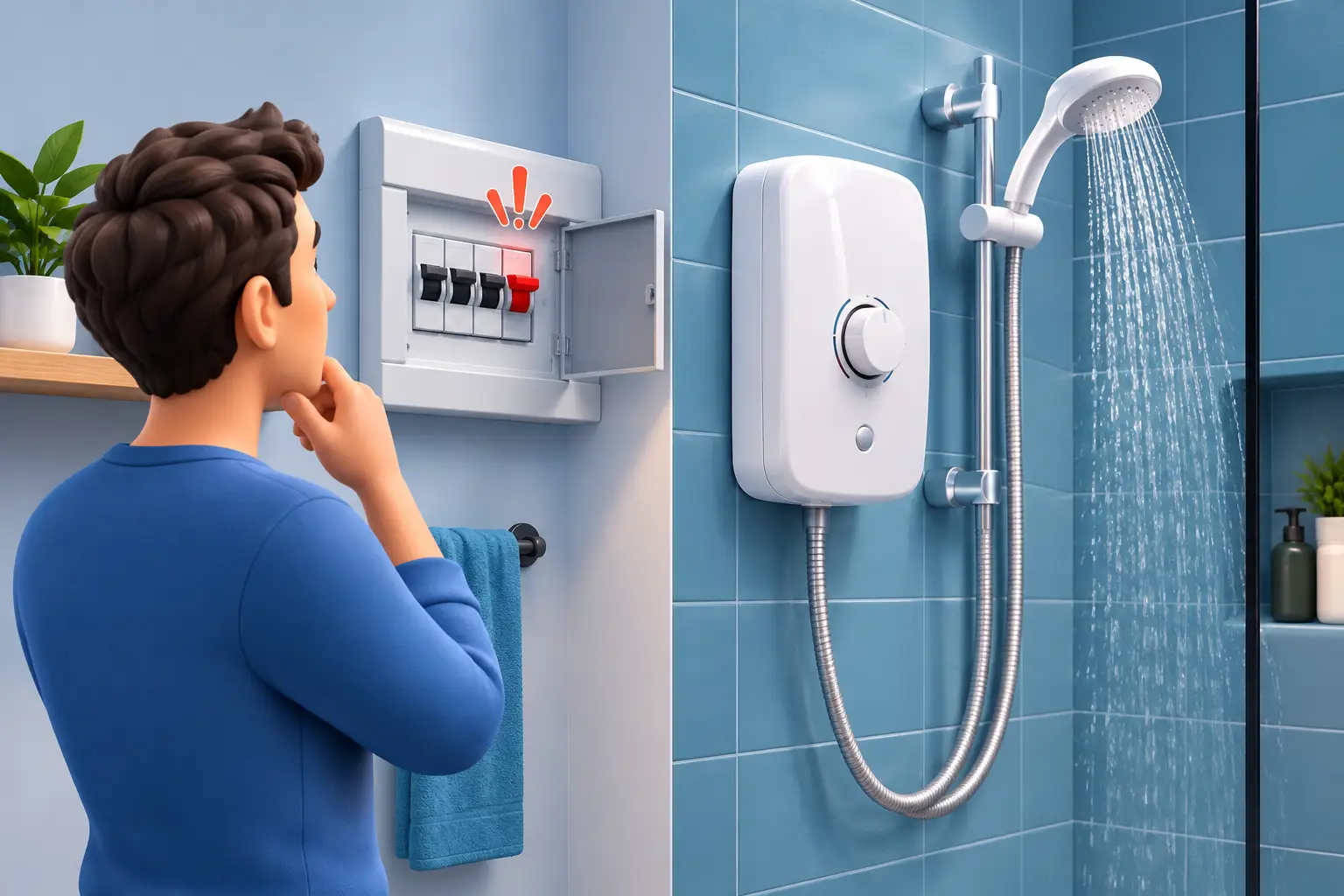
Electric shower keeps tripping? Learn the likely causes, what you can safely check and when to call a qualified London electrician for a lasting...

Why are sockets sparking suddenly? Learn the likely causes, what to switch off immediately and when to call a certified London electrician for help...