
September 22, 2026

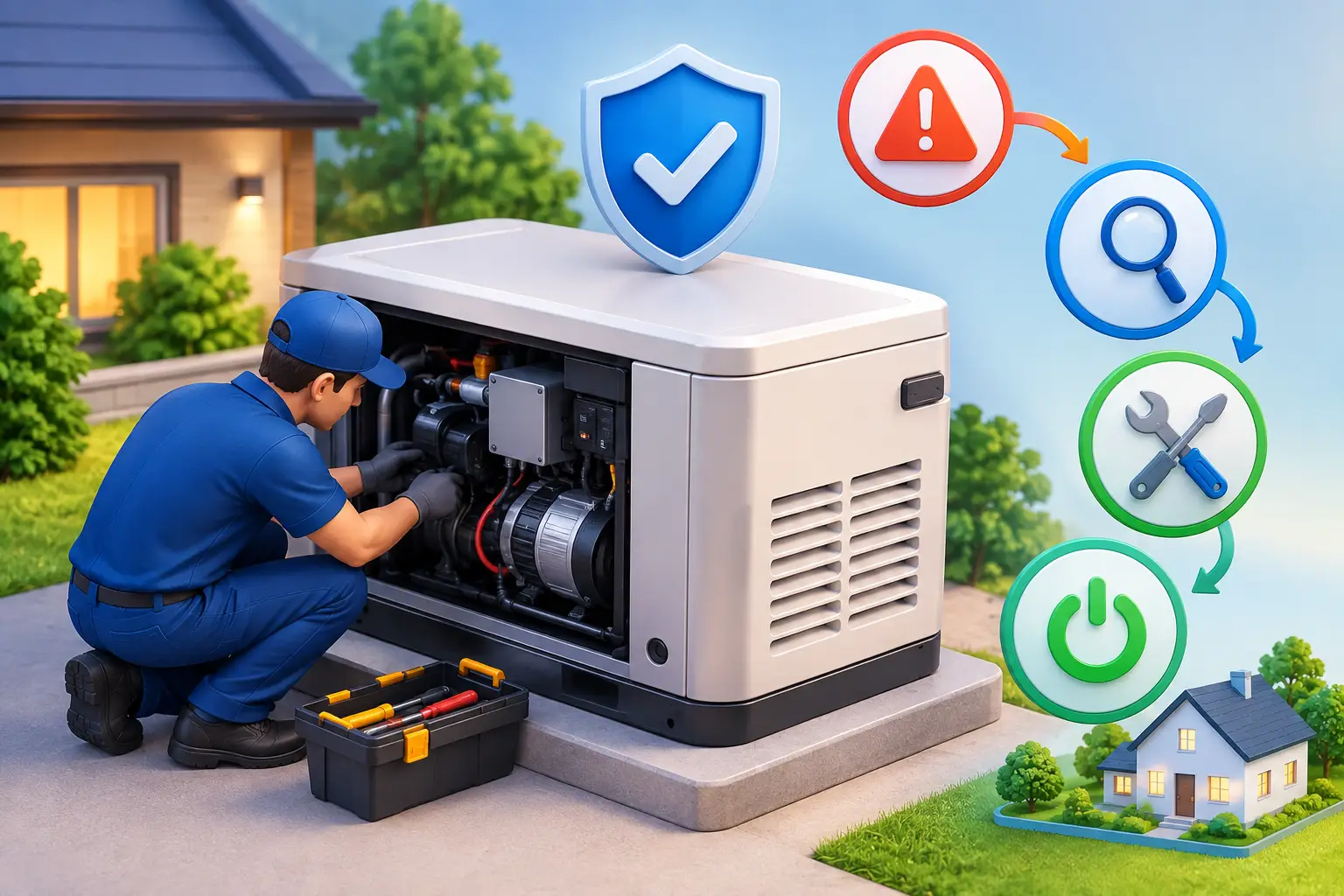
Generator failure recovery for London homes and businesses: immediate safety steps, fault checks and when to call a qualified electrician for urgent help.








A dark side passage, unlit rear entrance or poorly lit car park can make a property feel exposed long before a break-in occurs. Well-designed security lighting gives homeowners, landlords and business operators clear visibility where it matters most, while making it harder for unwanted visitors to approach unnoticed. The key is not simply fitting the brightest floodlight available. Effective lighting needs the right fittings, positioning, controls and electrical protection for the building.
Security lighting is most useful when it supports everyday safety as well as deterring crime. It should illuminate entrances, boundaries, paths, bins, outbuildings and parking areas without causing glare for residents, neighbours, pedestrians or drivers. A sudden, badly aimed light can leave someone temporarily unable to see the area beyond it, which works against the purpose of the installation.
For a London home, this may mean covering a side return, garden gate and back door that are hidden from the street. For a commercial premises, the priority may be delivery bays, staff entrances, external plant areas or customer parking. Every site has different blind spots, so the correct solution begins with how people use the space after dark.
Lighting is also only one part of wider property security. It works best alongside secure locks, gates, CCTV where appropriate and sensible access control. A light cannot prevent every incident, but it can make routes more visible, discourage opportunistic behaviour and help cameras capture clearer footage.
Before choosing fittings, walk around the property after dusk and identify where visibility drops away. Look for access routes that cannot be seen from inside, changes in level that could create a trip risk, and areas where someone could stand out of view. Consider seasonal changes too. A garden that looks open in winter may be screened by dense planting in summer.
Front doors and shared entrances need sufficient light for residents to identify callers, use keys safely and see steps or thresholds. At the rear, focus on gates, doors, side passages and refuse areas. Landlords should give particular attention to communal paths, stairways, bin stores and external access routes, where poor lighting can become both a safety concern and a maintenance issue.
Commercial properties often need a broader approach. Staff arriving early or leaving late should have a clearly lit route between the building and parking or public transport. Loading areas may require stronger, more consistent illumination, while emergency exits must remain easy to locate without relying solely on decorative or intermittent lighting.
The best control method depends on the location and how the area is used. In many cases, combining controls offers a better result than relying on a single fitting.
A passive infrared, or PIR, sensor detects movement and switches the light on for a set period. It is a practical choice for side paths, rear gardens and entrances that do not need continuous lighting. Correct sensor adjustment matters. If the detection zone includes a pavement, road, moving branches or a neighbour’s driveway, the light may trigger repeatedly and become an annoyance.
Dusk-to-dawn lighting operates from a photocell, turning on when natural light falls below a set level. This suits communal entrances, business frontages and routes that need predictable illumination throughout the evening. It uses more energy than a sensor-controlled fitting, although efficient LED lamps keep running costs far lower than older halogen installations.
Timed controls can be useful where a property has regular opening hours or known periods of activity. A shop, office or managed block may only need stronger external lighting during arrivals, departures and evening access. Smart controls can add scheduling and remote adjustment, but they should be specified carefully. Wi-Fi reliability, app support and the ability to override the system locally all need consideration.
LED floodlights remain a popular option because they provide strong, instant light with lower energy use and a long service life. They are suitable for larger outdoor areas, but wattage is not the only measure that matters. Beam angle, mounting height and light distribution determine whether the fitting lights the target area evenly or creates bright patches and deep shadows.
For doorways and narrower routes, wall-mounted bulkhead lights or downward-facing fittings often produce a more controlled result. They can light the threshold and walking surface without spilling excessive light into bedrooms or neighbouring gardens. Bollard or low-level path lighting may improve safety on longer walkways, although these fittings should be positioned and protected to reduce accidental damage.
Outdoor equipment must have a suitable IP rating for its exposure to dust and water. A fitting under a sheltered porch faces different conditions from one fixed to an open wall or fence line. Coastal-style weather, wind-driven rain and routine cleaning should all be allowed for when selecting products. Cheap fittings can discolour, allow moisture in or fail prematurely, leaving the property without reliable coverage when it is needed.
A powerful light mounted too high or aimed in the wrong direction can create more problems than it solves. Light should be directed downwards and across the area being protected, rather than outward towards neighbouring windows, public roads or approaching pedestrians. Shielded fittings and careful angling help contain light within the property boundary.
Avoid placing every fitting at the same height or aiming all of them at one central point. This can leave dark pockets behind sheds, vehicles, gates or landscaping. A better plan uses overlapping pools of light, with each fitting covering a clearly defined route or feature.
For sensor lights, check the approach angle. PIR sensors generally detect movement more effectively when a person crosses the detection zone rather than walking directly towards it. A qualified electrician can position the sensor and adjust its range, duration and daylight setting to reduce false activations while maintaining useful coverage.
External electrical work is exposed to rain, condensation, temperature changes and physical damage. Cables, connections and fittings need to be installed using equipment designed for the environment, with proper seals and secure fixings. An outdoor light that works on installation day may still become unsafe later if water reaches a connection or a cable is left vulnerable to impact.
New circuits and alterations should be assessed for the right protection at the consumer unit. RCD protection, suitable circuit design and correct earthing arrangements are central to reducing the risk of electric shock or fire. Where work is notifiable under Building Regulations, it must be completed and certified correctly.
This is not a job for improvised external joints, indoor-rated accessories or extension leads running through windows. If an existing outdoor light trips the electrics, flickers, shows signs of water ingress or has a damaged cable, turn it off where safe to do so and arrange a professional inspection. EDL Electrical can assess the fault, make the installation safe and recommend a lasting repair or replacement.
Security lighting needs occasional maintenance, particularly on busy London properties where dirt, pollution and weather can reduce performance. Clean lenses carefully, remove vegetation that blocks sensors and check that fittings remain securely mounted. Test sensor lights by walking through their coverage area after dark, then confirm they switch off at the expected time.
If a light begins activating randomly, the issue may be sensor sensitivity, changing vegetation, a failing photocell or moisture inside the fitting. Replacing the lamp alone will not solve every fault, especially where the problem sits in the wiring, control gear or circuit protection.
A properly planned installation should feel unobtrusive: entrances are visible, routes are safer, and the property is less inviting to intruders. If you are unsure which areas need coverage, an on-site assessment by a qualified electrician is the safest way to turn a dark corner of your property into a dependable part of its security.
Generator failure recovery for London homes and businesses: immediate safety steps, fault checks and when to call a qualified electrician for urgent help.
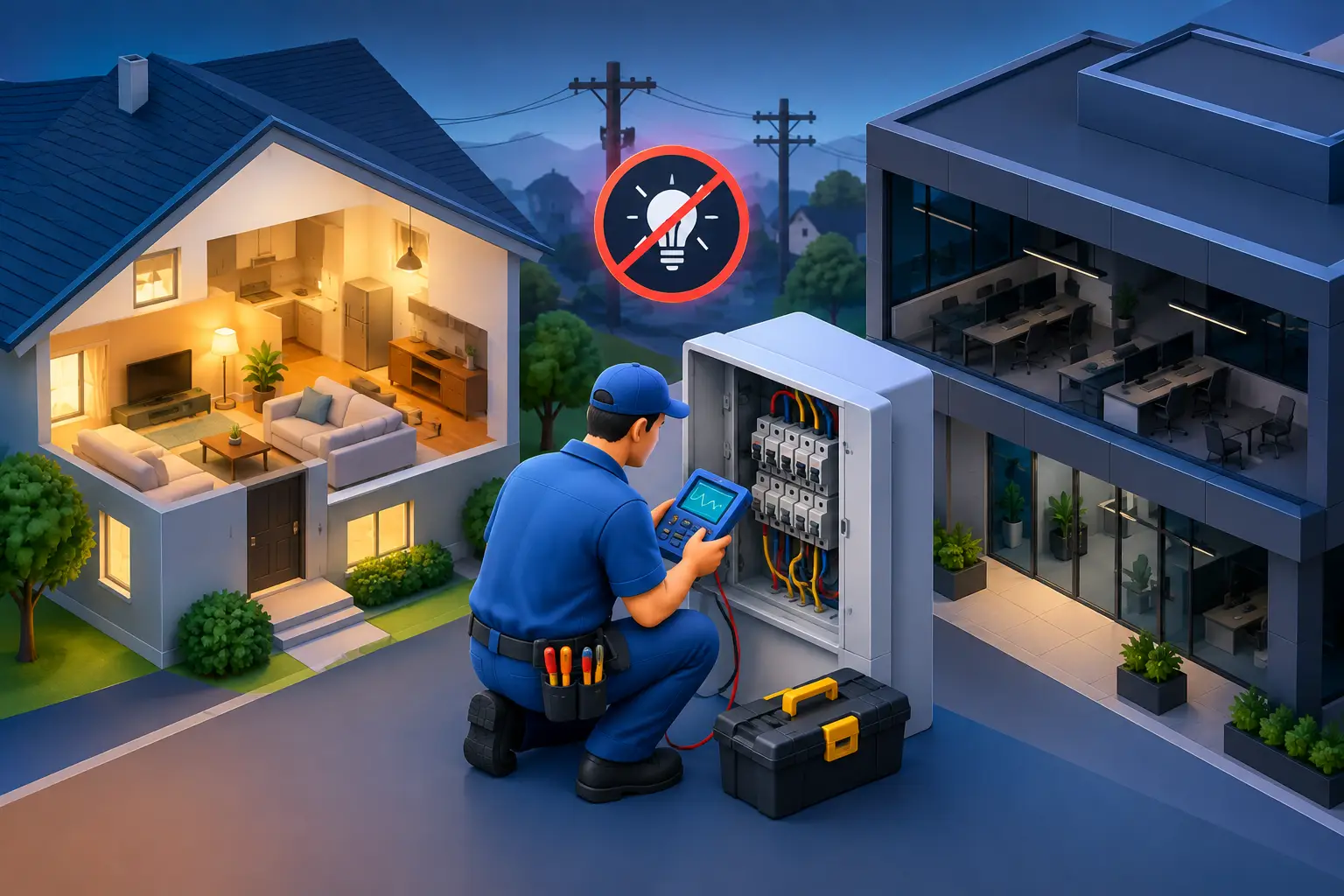
Need power cut fault diagnosis in London? Learn how to check your consumer unit safely, spot urgent risks and know when to call a...
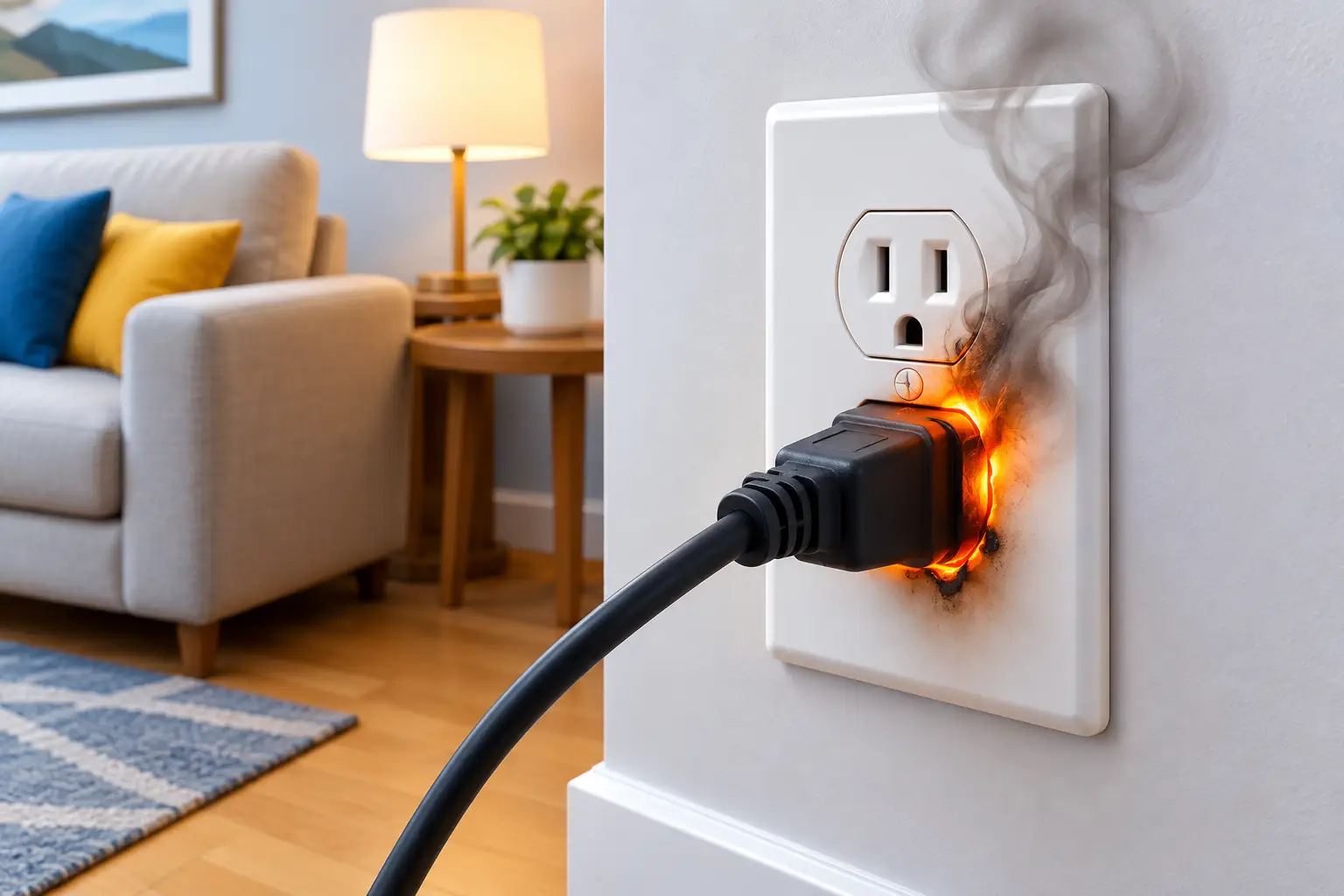
What causes burning sockets? Learn the warning signs, likely faults and safe next steps to protect your London home or business from electrical fire...