
August 13, 2026

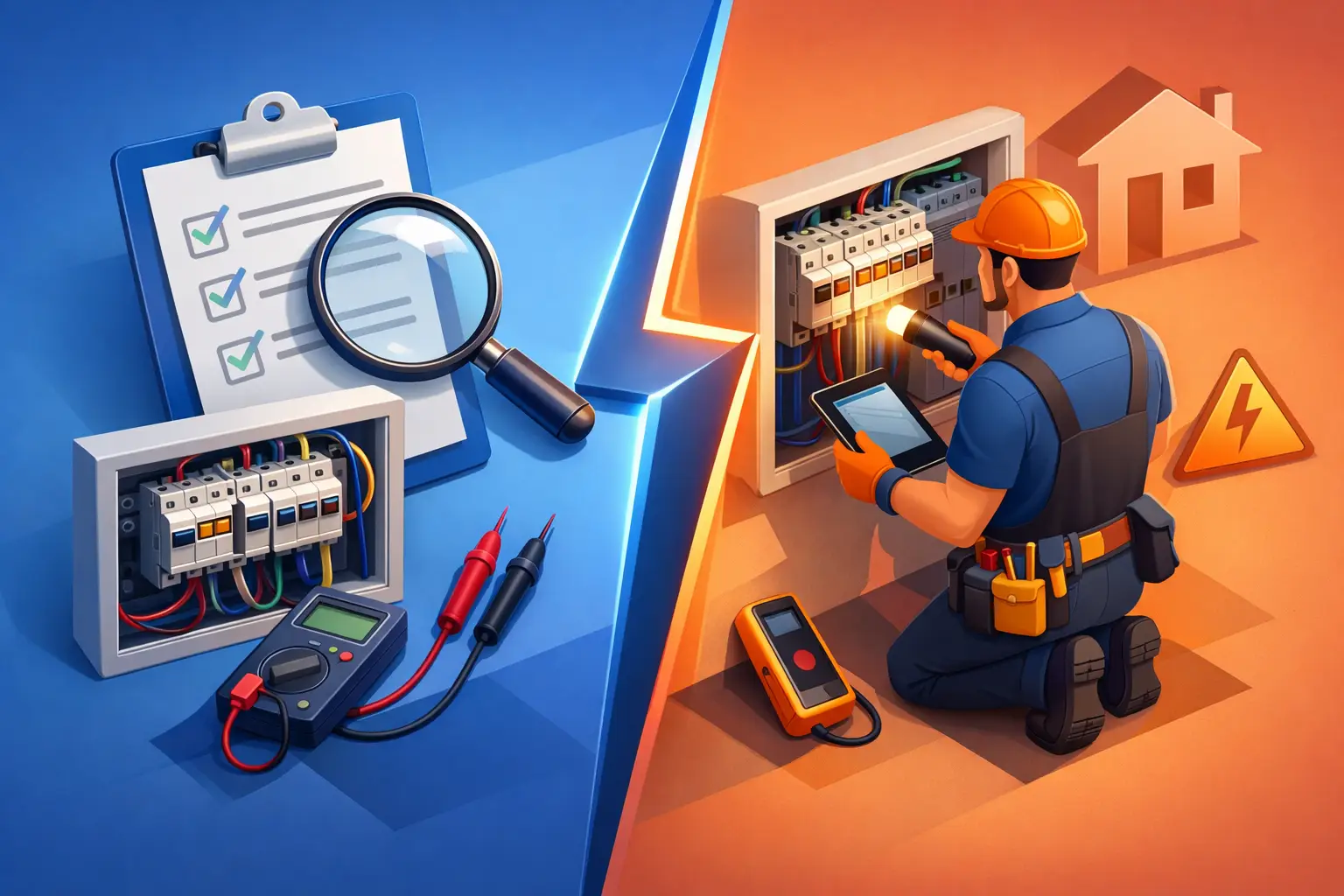
Use this landlord electrical checklist to keep London rental properties safe, compliant and ready for tenants, from EICRs to practical checks and repairs.






A landlord preparing for a new tenancy, a homeowner concerned about an ageing fuse board and a facilities manager arranging routine maintenance may all ask for an “electrical inspection”. But that phrase can mean very different things. Understanding the difference between an EICR vs electrical inspection helps you book the right service, meet your responsibilities and avoid treating a serious fault as a minor issue.
An EICR is a formal report based on inspection and testing of an electrical installation. An electrical inspection is a broader term that may describe anything from a visual safety check to a targeted assessment of a single circuit or fault. The right option depends on the property, its use and what you need the electrician to confirm.
An Electrical Installation Condition Report, usually called an EICR, is a detailed assessment of the condition and safety of an existing electrical installation. A qualified electrician inspects accessible parts of the installation and carries out tests to establish whether circuits, protective devices, earthing and other components remain safe for continued use.
The report records the findings, any defects identified and the overall outcome. It is not simply a certificate that confirms everything is safe. If issues are found, the EICR gives a clear record of what needs attention and how urgently it should be addressed.
An electrical inspection is a more general service description. It may involve a visual check of a consumer unit, sockets, lighting, wiring that can be seen, or a specific item such as an extractor fan. It can also refer to fault-finding after repeated tripping, flickering lights or an electric shock from an appliance.
A visual or targeted inspection can be useful, especially where there is a clear concern to investigate. However, it does not automatically include the full range of tests needed for an EICR, and it should not be assumed to provide the same compliance evidence.
During an EICR, the electrician will assess the fixed electrical installation rather than portable appliances plugged into it. This commonly includes the consumer unit, circuit breakers or fuses, accessible wiring, switches, socket outlets, light fittings, earthing arrangements and bonding.
Testing is a major part of the process. Depending on the installation and what is safely accessible, the electrician may test circuit continuity, insulation resistance, polarity, earthing and the operation of residual current devices, commonly known as RCDs. These tests can reveal defects hidden behind walls, under floors or inside distribution equipment that a visual check cannot identify.
Some disruption may be necessary. Circuits are often isolated briefly while testing is carried out, so it is sensible to plan an EICR around tenants, trading hours, IT equipment and any equipment that should not be switched off without preparation. A professional electrician will explain the likely scope before starting and work carefully to minimise inconvenience.
The report uses observation codes to show the seriousness of any issues found. C1 indicates danger is present and urgent action is needed. C2 identifies a potentially dangerous condition requiring prompt remedial work. FI means further investigation is needed without delay. C3 is a recommendation for improvement and does not, on its own, make a report unsatisfactory.
An EICR with C1, C2 or FI observations is generally unsatisfactory until the relevant work or investigation has been completed. That distinction matters: a report is valuable because it identifies risk clearly, not because it guarantees that no work will ever be required.
For landlords in England, an EICR is a legal requirement for most privately rented homes. The installation must be inspected and tested at intervals of no more than five years, or sooner if the previous report says this is necessary. A new report may also be needed when a tenancy begins if there is no valid existing report.
Landlords must provide a copy to existing tenants within the required timescale, give it to new tenants before occupation and retain records. If remedial work is required, it must be completed within the period stated on the report, usually within 28 days unless a shorter timeframe is specified. These duties make a formal EICR essential rather than a general check.
Homeowners are not usually subject to the same fixed legal requirement, but an EICR remains a sensible precaution. It is particularly worthwhile when buying an older property, after major alterations, before letting out a home, or when the installation has not been assessed for many years. As a general guide, owner-occupied homes are often inspected every ten years, though the recommended interval can vary with age, use and condition.
Commercial properties have different demands. Offices, shops, warehouses, hospitality venues and mixed-use buildings can have more complex systems, heavier loads and greater public risk. There is no single interval that suits every business. The correct frequency should reflect the type of premises, the environment, the nature of the work and the condition of the installation. A kitchen, workshop or busy retail unit may require closer attention than a low-use office.
A focused electrical inspection is often the sensible first step when you have a specific, localised concern and do not need a full condition report. For example, an electrician might inspect a damaged socket, investigate a circuit that trips after rain, check a new light fitting, or assess whether an outdoor supply has been affected by wear.
It is also useful following building work, decorating damage or reports of loose accessories. In these cases, the objective is to identify the fault, make the area safe and recommend or complete the appropriate repair.
That said, a targeted inspection can reveal signs of a wider issue. Repeated circuit tripping, overheating at the consumer unit, discoloured sockets, shocks or a burning smell should never be treated as a cosmetic repair. The electrician may recommend further testing or a full EICR to establish whether the problem affects the wider installation.
Electrical documents have similar names, but they serve different purposes. An Electrical Installation Certificate is generally issued for new installation work, such as a new circuit, consumer unit replacement or full rewire. It confirms that the newly completed work has been designed, installed and tested in line with the relevant requirements.
A Minor Electrical Installation Works Certificate is used for certain smaller additions or alterations, such as work on an existing circuit where an installation certificate is not required. Portable Appliance Testing, or PAT, relates to movable appliances such as kettles, monitors and extension leads, not the fixed wiring of the building.
None of these documents replaces an EICR for a periodic assessment of an existing installation. Likewise, an EICR does not replace certification for new electrical work. Good property records often need both, depending on the work carried out.
The best way to avoid confusion is to explain the reason for the visit when arranging it. Say whether you are a landlord needing a compliance report, a homeowner worried about the condition of old wiring, or a business dealing with a specific recurring fault. An experienced electrician can then confirm whether you require an EICR, a visual inspection, fault-finding or certification for completed work.
Be ready to share useful details, including the age of the property, whether the consumer unit has RCD protection, any previous reports, known alterations and the symptoms you have noticed. For commercial sites, details of operating hours, access restrictions and critical equipment help the work be planned safely.
Price should not be the only deciding factor. A low-cost “inspection” may be limited to a visual check and may not meet a landlord’s reporting duty or provide the testing needed to identify hidden defects. Ask what is included, whether testing is part of the service, what report you will receive and how any remedial work will be recorded.
For London property owners and managers, EDL Electrical can carry out formal EICRs, targeted inspections and remedial electrical work with a practical focus on safety and compliance. Where a defect needs urgent attention, the priority is to make the installation safe and give you a clear explanation of the next step.
If you notice burning smells, sparks, a buzzing consumer unit, persistent tripping or signs of heat damage, switch off the affected circuit if it is safe to do so and arrange urgent professional help. Those warning signs should not wait for the next routine inspection.
Use this landlord electrical checklist to keep London rental properties safe, compliant and ready for tenants, from EICRs to practical checks and repairs.
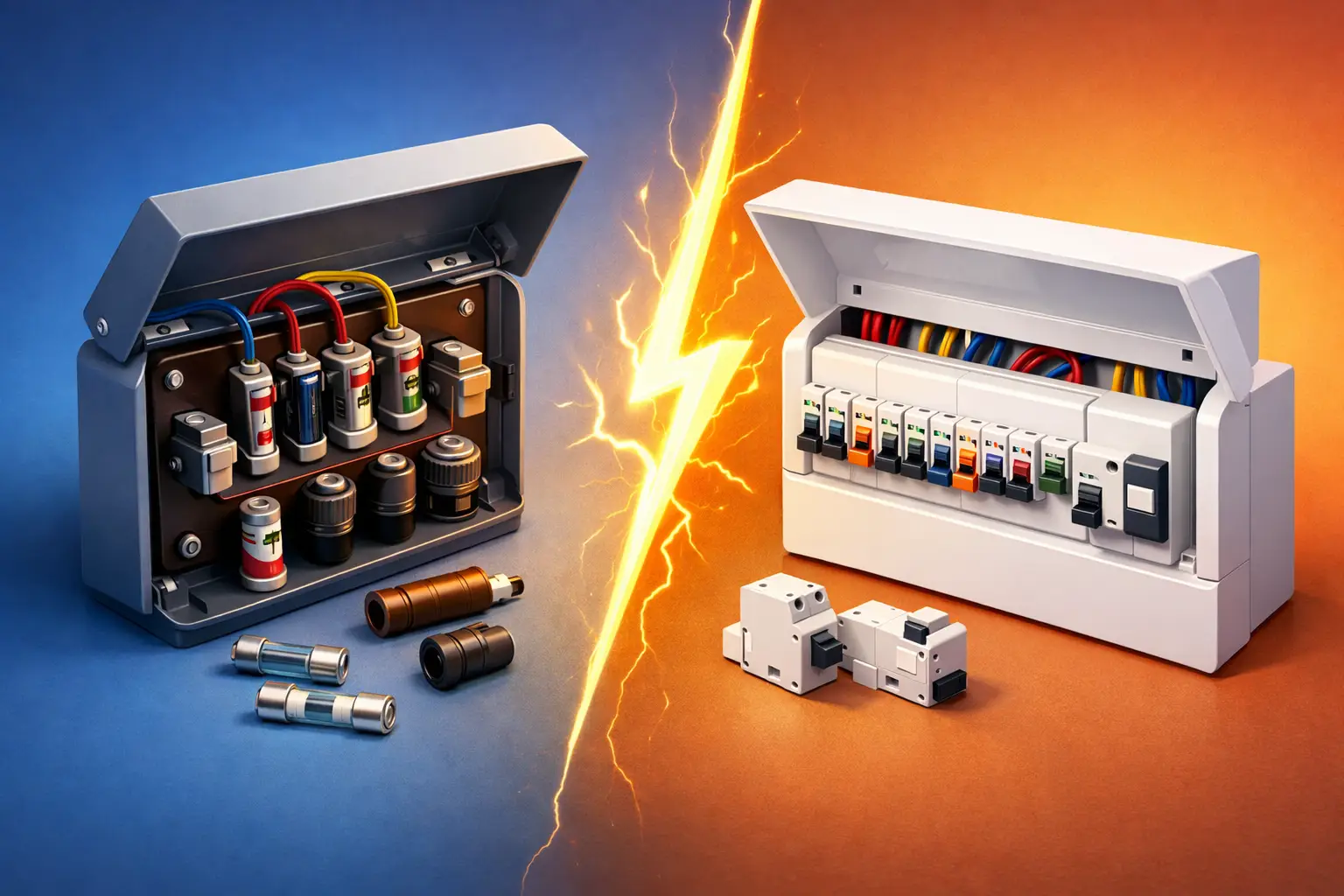
Compare a fuse box vs consumer unit, understand modern RCD protection, and know when a London property needs a safe, compliant upgrade without delay.

Choose the best outdoor security lighting for your London property, from PIR sensors to dusk-to-dawn fittings, with safe installation advice for homes.