
August 11, 2026

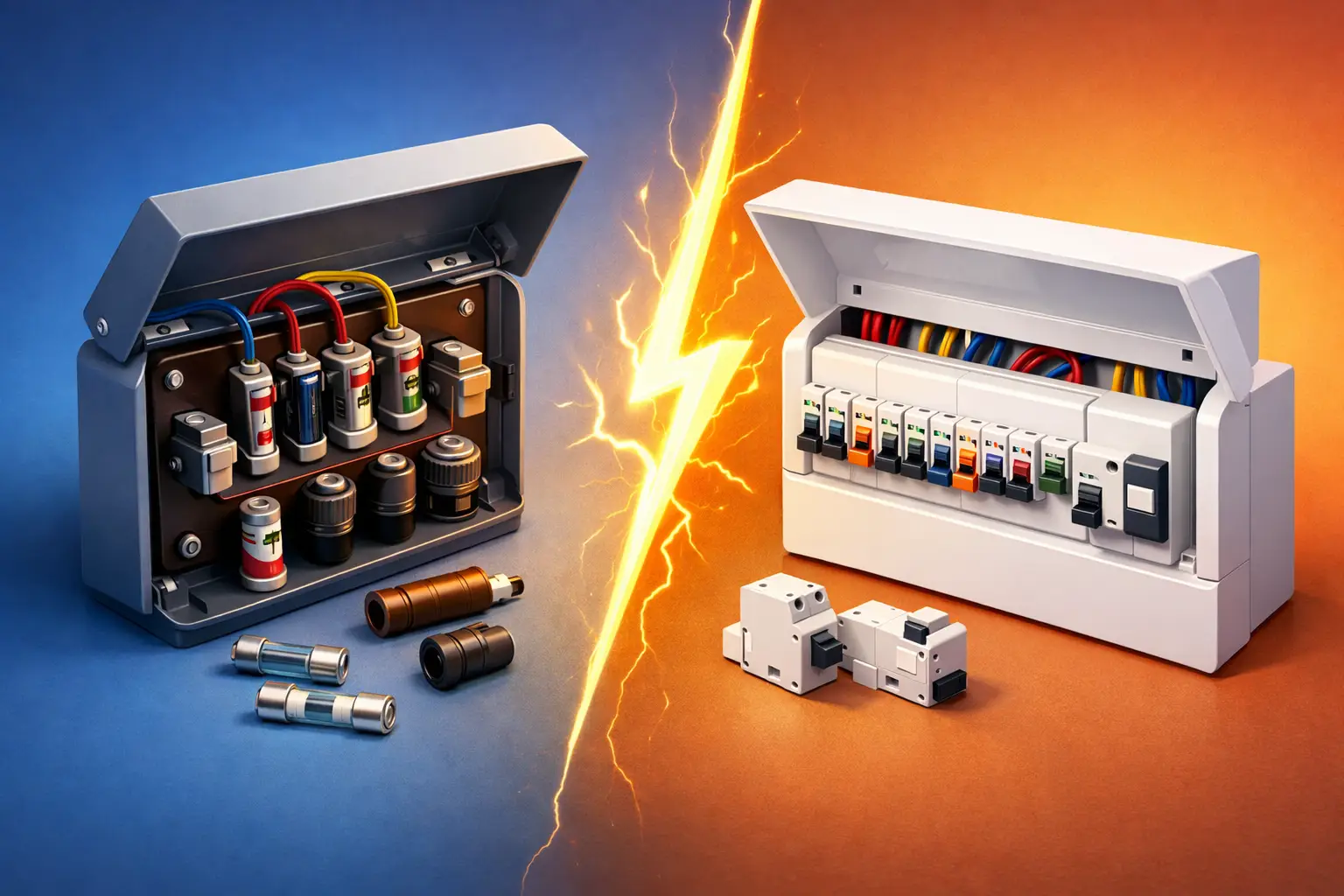
Compare a fuse box vs consumer unit, understand modern RCD protection, and know when a London property needs a safe, compliant upgrade without delay.








A dark side passage, rear gate or driveway is an easy place for hazards and unwanted activity to go unnoticed. The best outdoor security lighting does more than make a property look occupied – it gives you clear visibility where it is needed, without flooding your home or neighbours with harsh light.
For London homeowners, landlords and business owners, the right solution depends on the layout of the building, the area being protected and how the space is used after dark. A bright fitting in the wrong position can create glare, shadows and complaints. A properly planned installation provides useful light, reliable operation and a safer approach to the property.
The best fitting is not always the most powerful floodlight. Effective security lighting combines the correct light output, sensor controls, placement and weather protection. It should illuminate routes, entrances and vulnerable boundaries while keeping light directed downwards and within your property.
LED fittings are generally the practical choice for most properties. They use considerably less electricity than older halogen floodlights, reach full brightness immediately and have a long working life. That matters for lights fitted high on a wall, above a garage or at the rear of a commercial premises, where frequent lamp changes are inconvenient and may require safe access equipment.
Look for a fitting with a suitable IP rating. Outdoor lighting is exposed to rain, dust and changing temperatures, so the enclosure needs to be designed for the position where it will be installed. A sheltered porch and an exposed garden wall face different conditions. The fitting, cable route, connections and any external switch must all be appropriate for outdoor use.
Colour temperature also affects visibility. Cool white light can appear crisp and make details easier to distinguish on a path or drive. A more neutral white often feels less severe around a front entrance or garden. Very blue-white lighting can be unpleasant outside a home, while overly warm light may not provide the contrast required in a working yard or access route.
A PIR, or passive infrared, sensor detects movement and activates the light for a set period. This is often the most efficient option for side returns, rear gardens, driveways and bin areas because the light is only on when somebody approaches.
Sensor settings are as important as the light itself. Sensitivity that is set too high can trigger the light when a cat passes, trees move or pedestrians use a nearby pavement. Set too low, it may not activate until someone is already close to the door. The detection angle, mounting height and direction must be adjusted carefully after installation.
For a typical home, a PIR floodlight near the front door or driveway can provide a useful welcome light as well as a deterrent. At the rear, it can make taking out rubbish, checking a gate or arriving home late safer. For commercial sites, several targeted sensors are usually more effective than one oversized fitting attempting to cover an entire yard.
Dusk-to-dawn fittings use a photocell to switch on when daylight falls and off again in the morning. They are particularly useful at entrances, communal pathways, loading areas and locations where a consistently lit route is more important than a sudden bright response to movement.
The trade-off is running time. LEDs keep energy use reasonable, but a light operating throughout the night will still cost more than a sensor-controlled fitting. Careful selection of wattage and light level helps keep operating costs under control.
A combined photocell and PIR arrangement can work well in some situations. The fitting remains at a low background level after dusk, then increases to full brightness when movement is detected. This can suit driveways, block entrances and commercial access points where basic visibility is needed all evening.
Smart lighting allows control through an app, schedule or compatible home automation system. You may be able to check whether a light is on, create timed routines when away, or receive alerts when a sensor activates. This can be useful for occupied and rental properties, especially where owners want greater oversight.
However, smart features should not replace a sound electrical installation. Wi-Fi coverage may be weak at a detached garage or rear garden, and some products rely on manufacturer apps or internet services. For critical access lighting, a dependable manual override and correctly installed fixed wiring remain sensible safeguards.
Start by walking around the property after dark. Identify the routes people use: the path from pavement to front door, the drive, side access, rear entrance, shed, garage and any gate. Consider where a person could stand out of sight, and where uneven paving, steps or changes in level need better visibility.
Mounting a floodlight too high can leave the ground poorly lit. Mounting it too low can make it easier to tamper with and may shine directly into people’s eyes. The aim is a controlled pool of light over the area you need to see. Angling the unit downwards reduces glare, limits light spill and often gives better practical coverage.
Avoid placing sensors where they look directly at the road, a busy footpath or moving branches. On a terraced street, consider windows opposite and neighbouring gardens. Outdoor lighting should improve security without becoming a nuisance. If a fitting repeatedly activates for passing traffic, people may stop noticing it altogether.
For larger properties and business premises, divide the exterior into zones. A front entrance may need welcoming, low-glare lighting. A service yard may require brighter task lighting. A side passage may need a narrow-beam sensor fitting. Separating the circuits or controls can make the system easier to manage and avoids running every external light when only one area is in use.
Outdoor lighting installation is not simply a matter of fixing a unit to the wall and connecting it to the nearest cable. The circuit must be suitable, connections protected from moisture and mechanical damage, and the work tested on completion. External wiring also needs to be routed and supported so it is not exposed to avoidable damage.
RCD protection is a key safety consideration for outdoor electrical circuits. If a fault develops, an RCD is designed to disconnect the supply quickly, reducing the risk of electric shock. Depending on the condition and arrangement of the existing installation, an electrician may recommend improvements to the circuit or consumer unit before adding external lighting.
Landlords and commercial operators should take particular care. Lighting in shared areas, car parks, access routes and fire escape approaches may form part of wider maintenance and safety duties. A failed light fitting, damaged cable or unreliable sensor should be dealt with promptly, rather than treated as a cosmetic issue.
Choosing a qualified electrician gives you confidence that the installation is properly designed, protected and tested. At EDL Electrical, certified electricians can assess the condition of the existing wiring, recommend suitable outdoor lighting and install it with safety, performance and the surrounding properties in mind.
The most common mistake is over-lighting. A very bright floodlight can create deep contrast beyond its beam, giving someone more shadow to stand in. It can also cause glare for drivers, visitors and cameras. Several well-positioned, lower-output LED fittings often provide better coverage than one high-wattage unit.
Another issue is relying on decorative garden lights as security lighting. Path and spike lights are useful for ambience and wayfinding, but they rarely provide enough illumination to identify a person at a gate or safely use a side path. Use them as part of a wider scheme, not as the only security measure.
Finally, do not neglect maintenance. Check that the lens is clean, the sensor responds consistently and vegetation has not grown into its detection area. Test manual overrides and replace damaged fittings rather than waiting for complete failure. Security lighting only helps when it works at the moment it is needed.
A well-planned outdoor lighting upgrade can make arriving home safer, protect vulnerable parts of the building and give tenants, staff and visitors more confidence after dark. The practical next step is to assess the property at night and choose lighting that solves the specific visibility problem without creating a new one for you or your neighbours.
Compare a fuse box vs consumer unit, understand modern RCD protection, and know when a London property needs a safe, compliant upgrade without delay.

Our home electrical safety guide helps London homeowners and landlords spot hazards, protect occupants and know when to call a certified electrician early.

Learn how to spot faulty wiring in your London property, recognise urgent warning signs and know when to call a qualified electrician for safe...