September 22, 2026

Generator failure recovery for London homes and businesses: immediate safety steps, fault checks and when to call a qualified electrician for urgent help.







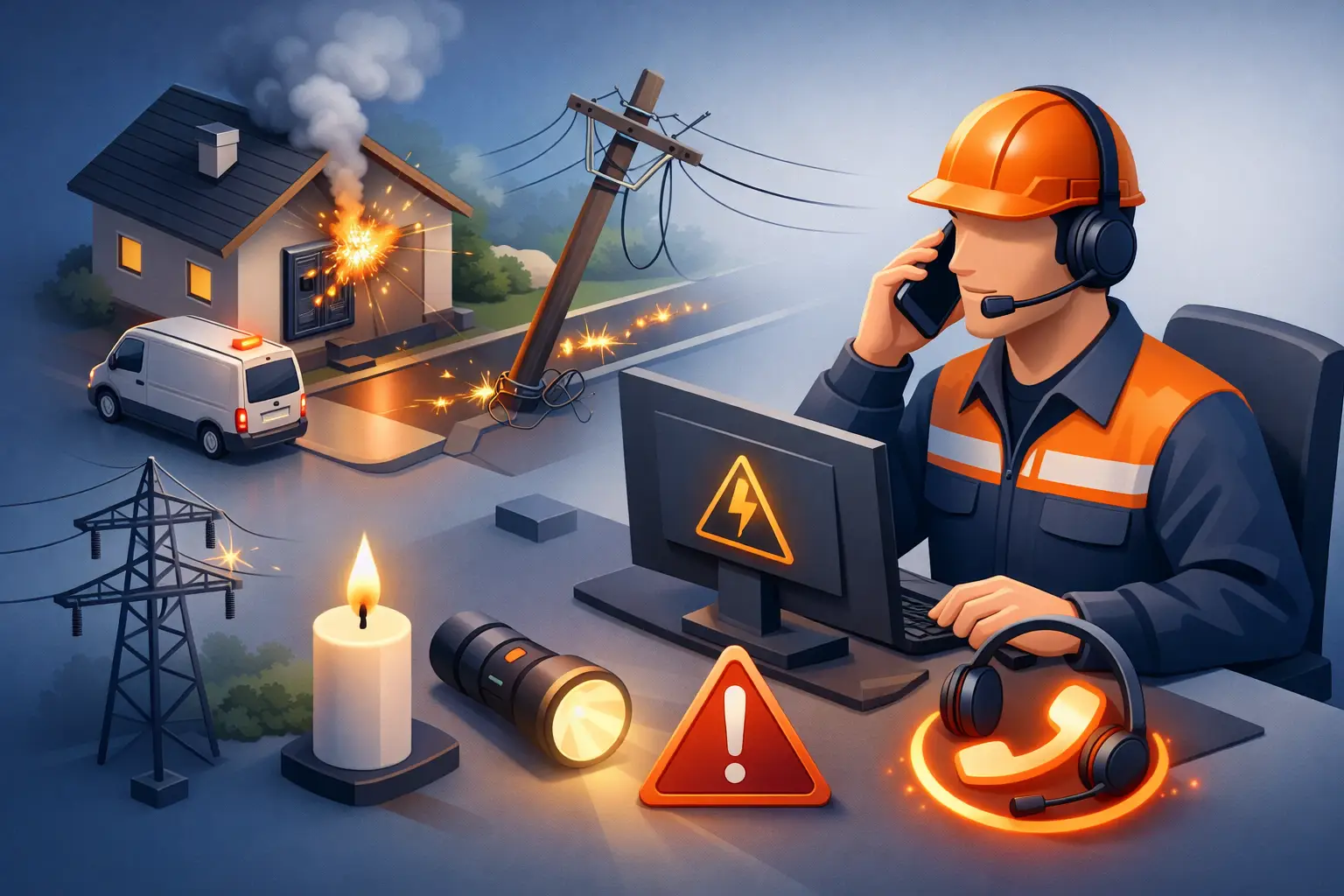
A sudden loss of power, a burning smell from a socket or sparks at the consumer unit can make it difficult to know what to do first. An emergency electricity helpline can provide vital support, but the right number depends on whether the fault is on the electricity network, inside your property, or creating an immediate risk to life.
For homeowners, landlords and business operators across London, the priority is always the same: make the area safe, avoid touching damaged equipment and get the appropriate professional help without delay. Acting quickly is sensible. Trying to diagnose a serious electrical fault yourself is not.
In the UK, 105 is the free emergency number for electricity network problems. It connects you to the local electricity network operator, often called the DNO. This is the correct route for a power cut affecting your street, damaged overhead lines, a fallen cable, or a fault that appears to be outside the boundary of your home, flat, office or shop.
Call 105 if your neighbours have also lost power, street lighting has failed across the area, or you can see an exposed cable outside. The network operator is responsible for maintaining the local distribution network and will investigate faults on its equipment. Your energy supplier, the company that sends your bill, is not normally responsible for repairing a network outage.
An emergency electrician is needed when the problem is within your property’s electrical installation. That may include a repeatedly tripping consumer unit, overheating accessories, a partial loss of power, damaged wiring, water near electrical circuits or a failed circuit supplying essential equipment. A qualified electrician can isolate the issue, make the installation safe and carry out repairs in line with current requirements.
The distinction matters because calling the wrong service can lose valuable time. A whole-area outage is generally a network issue. If your home is the only one affected, however, the cause may be your consumer unit, meter equipment, wiring or a connected appliance.
Start by checking whether nearby properties have power. Look outside for working street lights, but do not approach any cables, cabinets or equipment that appears damaged. If the issue affects only your property, check whether the consumer unit has tripped – but only if it is safe to do so and there is no sign of burning, water damage or physical damage.
If a circuit breaker has tripped once, unplugging appliances on that circuit before resetting it may help identify a faulty appliance. If it trips again, leave it switched off. Repeated tripping is a warning that should be investigated by an electrician, particularly where it affects sockets, lighting, heating controls, smoke alarms or commercial equipment.
Do not remove the consumer unit cover, handle wiring or attempt a temporary repair. A circuit that will not reset may be doing exactly what it is designed to do: preventing electric shock, fire or further damage.
Some faults should never wait until normal working hours. Call 999 immediately if there is a fire, a serious injury, immediate danger from a fallen cable, or a risk to the public. Keep everyone well away from the area. Do not touch a person who is in contact with live electricity until the supply has been safely disconnected.
For urgent electrical incidents at a property, isolate the supply at the main switch only if you can reach it safely and there is no water, smoke, heat or damage around the consumer unit. If you cannot do so safely, move people away from the affected area and wait for emergency assistance.
Warning signs that require prompt professional attention include:
These signs do not always mean the same fault is present. A loose connection, overloaded circuit, damaged appliance, moisture ingress or ageing wiring can all cause similar symptoms. What they have in common is the need for safe inspection rather than guesswork.
Once you have contacted the relevant emergency electricity helpline or electrician, keep the affected area clear and avoid repeatedly switching circuits on and off. If a particular appliance has caused the trip and can be unplugged safely, leave it disconnected. Do not use extension leads to run power from another room as a workaround, especially where leads could be crushed, overloaded or exposed to moisture.
Landlords and property managers should record the time of the incident, the affected circuits and any visible signs such as a burning smell or water ingress. This gives the attending electrician useful context and supports a clear maintenance record. For commercial premises, tell staff not to use the affected equipment and restrict access where necessary. Keeping operations running is important, but not at the cost of staff or customer safety.
If food refrigeration, security systems, access controls, medical equipment, heating controls or essential IT are affected, explain this when requesting emergency support. It helps the electrician understand the consequences of the fault and prioritise safe restoration where possible.
Restoring power is only part of an emergency call-out. The underlying cause needs to be identified, otherwise the same issue may return at the worst possible time. An electrician may test circuits, inspect connections, assess the consumer unit, check earthing and bonding, and examine any appliance or fitting linked to the problem.
Sometimes the answer is straightforward, such as replacing a faulty socket or isolating a failed appliance. In other cases, the fault can reveal a larger concern: deteriorated cables, a consumer unit that no longer provides appropriate protection, water ingress, overloaded circuits or wiring that has been altered incorrectly over time.
The right repair depends on the age and condition of the installation, the type of property and how it is used. A busy retail unit, for example, may have a very different electrical load profile from a family home. Older London properties can also present practical challenges, including concealed wiring routes and historic alterations. A competent electrician should explain what has failed, what has been made safe and whether further work is recommended.
For landlords, an emergency fault may also be a reason to review electrical safety documentation and planned maintenance. A valid Electrical Installation Condition Report does not prevent every unexpected fault, but regular inspection can identify deterioration and non-compliance before they become urgent problems.
Many emergency call-outs are unpredictable, particularly where weather damage or network faults are involved. Others can be reduced through proper maintenance. Avoid overloading adapters and extension leads, replace damaged accessories promptly and arrange inspection if sockets become loose, lights flicker persistently or breakers trip without an obvious cause.
Consumer unit upgrades, surge protection and targeted rewiring can be worthwhile where an installation is outdated or cannot safely support modern demand. This is especially relevant after a renovation, loft conversion, new kitchen installation or change in commercial use. Adding more appliances to an already stretched circuit is not a long-term solution.
A reliable 24/7 electrical service gives property owners a clear route when an internal fault cannot wait. EDL Electrical provides emergency support across London, with qualified electricians focused on making dangerous faults safe and carrying out the right repair rather than a rushed workaround.
Keep 105 saved for electricity network emergencies, know where your consumer unit is located and take early warning signs seriously. When electricity behaves unusually, a calm response and qualified help are the safest way to protect your people and property.
Generator failure recovery for London homes and businesses: immediate safety steps, fault checks and when to call a qualified electrician for urgent help.

Security lighting helps London homes and businesses deter intruders, protect access routes and improve visibility. Guidance on choosing and proper upkeep.
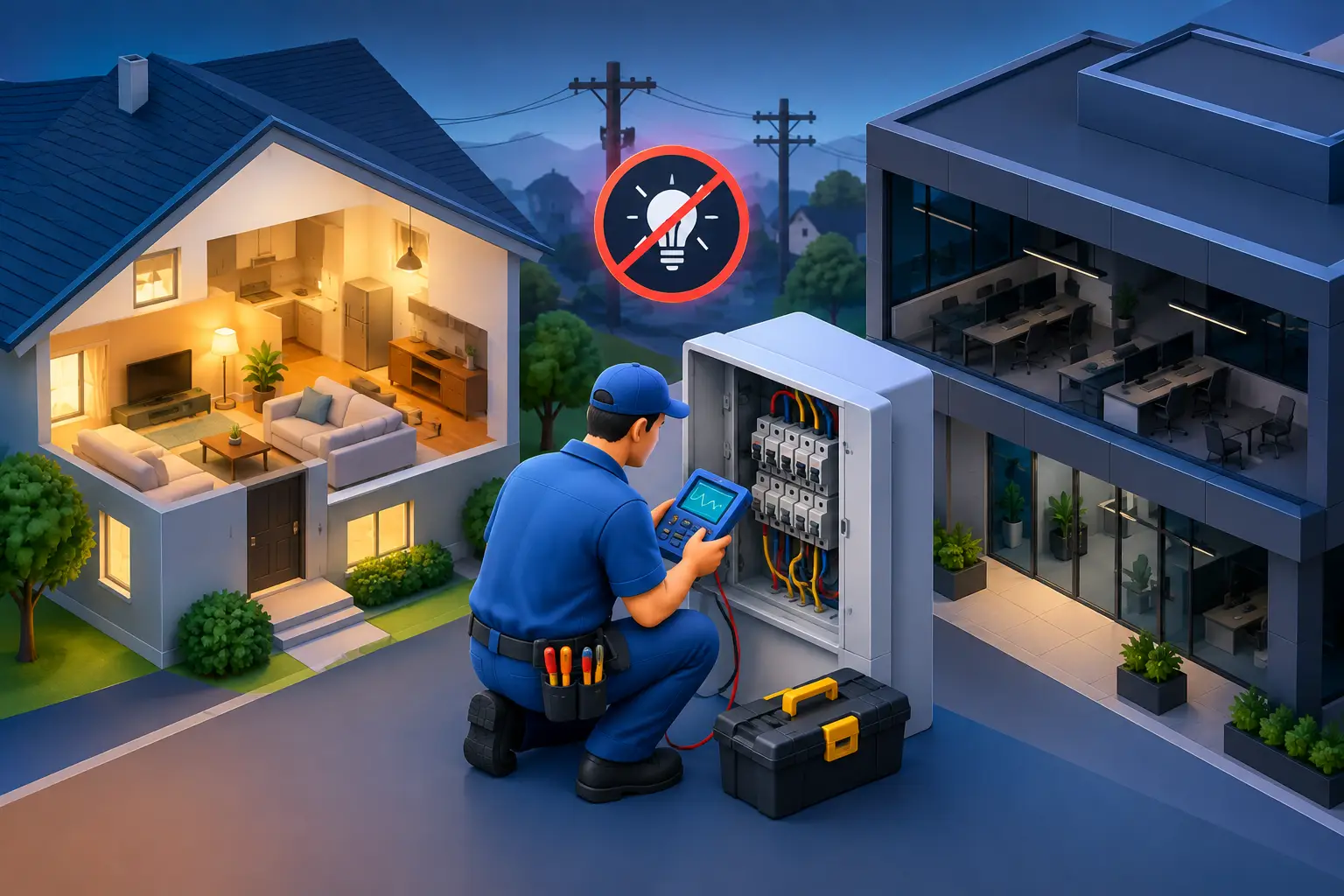
Need power cut fault diagnosis in London? Learn how to check your consumer unit safely, spot urgent risks and know when to call a...