November 13, 2026

Compare the best home surge protectors for UK properties, from consumer-unit SPDs to plug-in units, and choose the right level of protection at home.






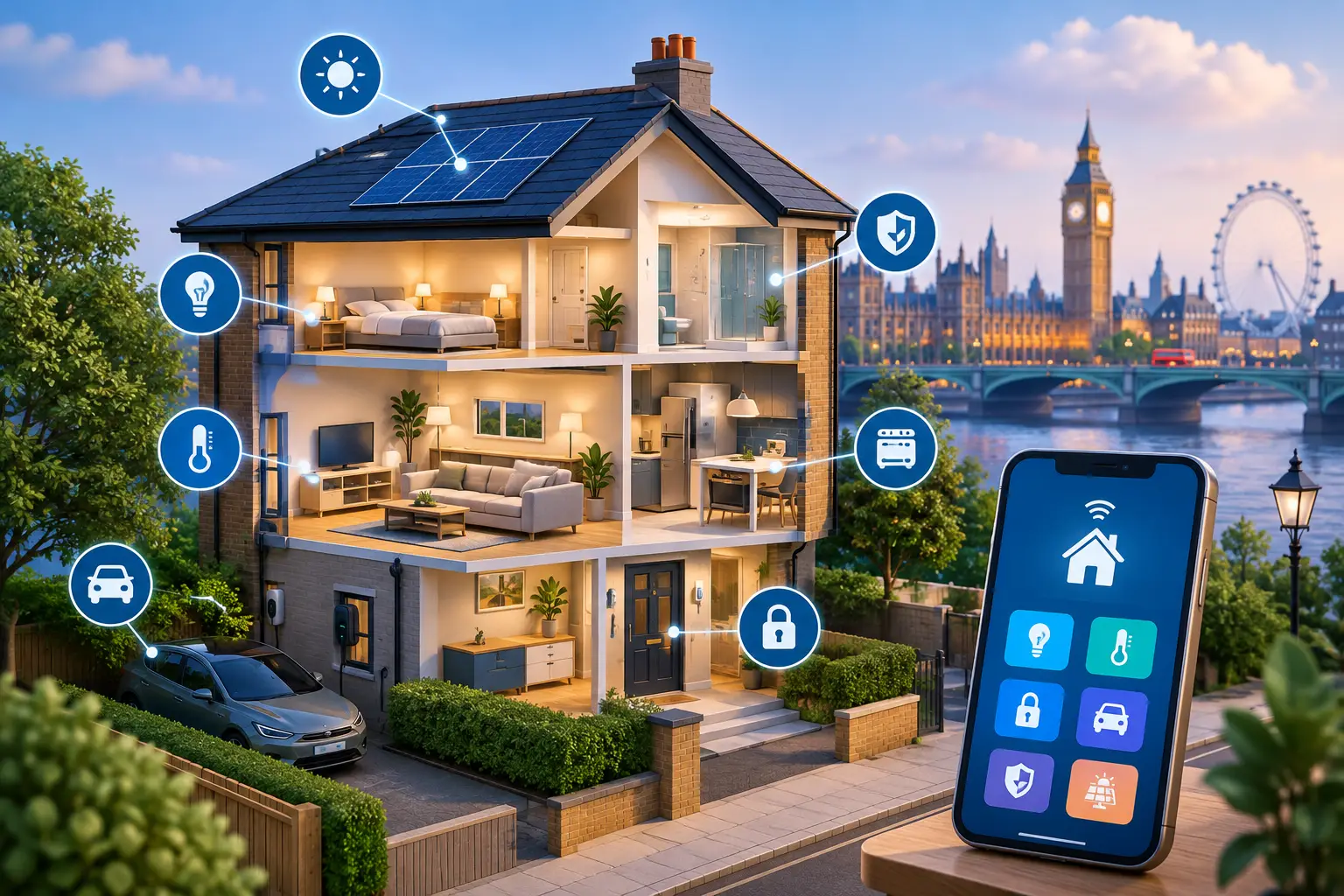
A smart home should make a property easier to run, safer to occupy and less wasteful to heat and power. The best smart home features do exactly that without creating a collection of apps, unreliable connections and unnecessary equipment. For London homeowners, landlords and property managers, the right setup starts with sound electrical infrastructure and a clear idea of what the building genuinely needs.
Smart technology is most useful when it solves an everyday problem: lights left on in shared areas, heating running in an empty flat, uncertainty around security, or difficulty monitoring energy use. The features below offer practical value, but installation quality, compatibility and electrical safety should always shape the final decision.
Before choosing smart devices, consider the condition and capacity of the existing electrical installation. Older London properties can have limited socket provision, ageing wiring, unsuitable consumer units or weak Wi-Fi coverage caused by thick walls and varied layouts. A smart system cannot compensate for poor electrical work.
Some devices are simple plug-in additions, but others require fixed wiring, changes to lighting circuits, new protective devices or alterations at the consumer unit. This work should be assessed and completed by a qualified electrician, particularly where mains voltage equipment, smoke alarms, external lighting or electric heating controls are involved.
It is also worth deciding whether you want one main platform or a smaller number of independent devices. A single system can be convenient, but it may limit your choice of products. Separate systems provide flexibility, although they can be harder to manage. The best option depends on the property, the people using it and the level of control required.
Smart lighting is often the most noticeable upgrade because it improves both convenience and security. Timed schedules can switch lights on before you arrive home, while motion sensors can illuminate halls, stairwells, bathrooms and external paths only when needed. Dimmable scenes are useful in living rooms, kitchens and hospitality spaces where the lighting requirement changes through the day.
For landlords and communal areas, sensors can reduce wasted electricity without leaving tenants in the dark. In a home, they are particularly useful for late-night access, young families and older residents.
The choice between smart bulbs and smart switches matters. Bulbs are quick to fit but can stop working as intended if someone turns off the wall switch. Smart switches provide a more permanent result, but they may need a neutral conductor at the switch position and should be installed correctly. Not every existing lighting circuit is suitable without modification.
Heating controls are among the best smart home features for properties where occupancy changes regularly. A smart thermostat lets occupants adjust heating remotely, build schedules around daily routines and avoid heating an empty home for hours. Many systems also show energy reports that make patterns easier to understand.
Zoned heating takes this further by controlling separate areas independently. A larger house, converted property or office may not need every room heated to the same temperature at the same time. Smart radiator valves can help, provided the central heating system is balanced and the boiler controls are compatible.
There are limits. Smart heating will not solve heat loss caused by poor insulation, draughts or an inefficient boiler. It should be part of a wider approach to comfort and energy use, not a replacement for essential maintenance.
A video doorbell can be useful for receiving deliveries, checking visitors and improving awareness around entrances. For landlords managing vacant properties or commercial operators with intermittent staff presence, remote notifications can provide reassurance without constant site visits.
Smart locks and access control systems can also make entry easier to manage. Temporary access codes may be appropriate for cleaners, contractors or short-term occupants, while a record of entry activity can be useful in some settings. However, convenience must not weaken physical security. Choose hardware with a reliable manual override, secure account settings and a clear process for removing access when tenancies or staff arrangements change.
Where a doorbell, lock or camera needs a permanent power supply, cable routes and protective devices should be considered carefully. External equipment must be suitable for its location and installed to withstand weather exposure.
Well-positioned external lighting can deter unwanted activity and make access safer after dark. Smart floodlights and wall lights can be scheduled, triggered by movement or controlled remotely. The most effective installations avoid pointing light directly at neighbouring windows, public roads or passing traffic.
Cameras can add another layer of visibility, but they should be installed proportionately. A camera covering your own entrance is very different from one recording shared areas or neighbouring properties. Property owners should consider privacy, signage and data protection duties, especially in blocks, workplaces and retail premises.
A professional installation also avoids common problems such as unstable Wi-Fi connections, poor viewing angles, exposed cables and cameras mounted too high or too low to be useful.
Connected smoke and carbon monoxide alarms can send alerts to a mobile phone when an alarm activates, which is valuable if a property is empty or occupants are away. Interlinked alarms are particularly helpful because detection in one part of the property can trigger alarms elsewhere, giving everyone more time to respond.
These devices are not a reason to reduce the number of alarms or overlook legal requirements. Landlords have specific obligations around smoke and carbon monoxide alarms, and the correct locations depend on the property layout and fuel-burning appliances. Mains-powered alarms and interlinked systems should be selected and fitted with safety as the priority.
Test alarms regularly, follow the manufacturer’s maintenance guidance and never rely solely on an app notification. The audible alarm inside the property remains essential.
Energy monitoring gives a clearer picture of when and where electricity is being used. Rather than guessing why bills have increased, homeowners and facilities managers can identify high-use periods, standby loads and appliances that may need attention.
Some monitors clip around supply cables, while more advanced systems integrate with the consumer unit and measure individual circuits. Circuit-level data can be useful in larger homes and commercial settings, but installation must be carried out safely. There is live electrical equipment inside a consumer unit, and it is not a place for DIY alterations.
Energy data is most useful when it leads to a practical decision. That may mean changing a heating schedule, replacing inefficient lighting, investigating an appliance that is drawing unusual power, or planning an electrical upgrade for a growing load.
Smart plugs are a straightforward way to control lamps, fans and selected small appliances. They can schedule devices, provide basic energy information and switch equipment off remotely. In rental properties or offices, they can help manage lamps and non-critical equipment left running outside normal hours.
They should not be used carelessly with high-load appliances, extension leads or equipment that should never be left unattended. Avoid using them for heaters, washing machines, tumble dryers or cooking appliances unless the manufacturer specifically confirms suitability. A smart plug is not a substitute for safe appliance use or adequate fixed wiring.
Automated blinds can improve comfort in south-facing rooms, conservatories and spaces that overheat during summer. They can close during strong sunlight, open gradually in the morning and support privacy when a property is unoccupied. For commercial spaces, they may also reduce glare on screens.
Battery-operated models are easier to retrofit, while wired systems avoid regular battery changes and can provide a cleaner finish. Wired installations should be planned early during refurbishment or rewiring, particularly where controls are being integrated with lighting scenes and heating schedules.
For households with an electric vehicle, a smart charger can schedule charging for lower-cost tariff periods and show charging history. It may also balance demand with the rest of the property, helping reduce the risk of overloading the supply when other high-demand equipment is operating.
An EV charger is a significant electrical load, not simply another outdoor socket. The existing supply, earthing arrangement, consumer unit capacity and cable route all need proper assessment. This is one area where professional design and installation are essential from the outset.
Voice control, wall-mounted panels and mobile apps can bring different smart features together, but the system should still work when a mobile phone is flat, Wi-Fi drops out or a guest is unfamiliar with the technology. Retain ordinary switches for lighting, clear manual heating controls and sensible fallback access for doors and gates.
The most reliable smart homes are not those with the most automation. They are the ones where automation supports normal daily use rather than complicating it.
Smart home work is often best completed alongside electrical improvements such as a consumer unit upgrade, rewiring, new lighting installation or external power work. Planning at this stage can reduce disruption, conceal cables properly and ensure the system has room to expand later.
EDL Electrical can assess the electrical side of a planned smart home installation, from safe circuit design and lighting controls to energy monitoring, external equipment and EV charging. For landlords and business owners, this also creates an opportunity to check that the wider installation remains safe, compliant and fit for the building’s demands.
Choose features that match how the property is actually used, keep critical safety systems simple and dependable, and have fixed electrical work completed properly. That approach delivers a smarter home that remains practical long after the novelty has worn off.
Compare the best home surge protectors for UK properties, from consumer-unit SPDs to plug-in units, and choose the right level of protection at home.
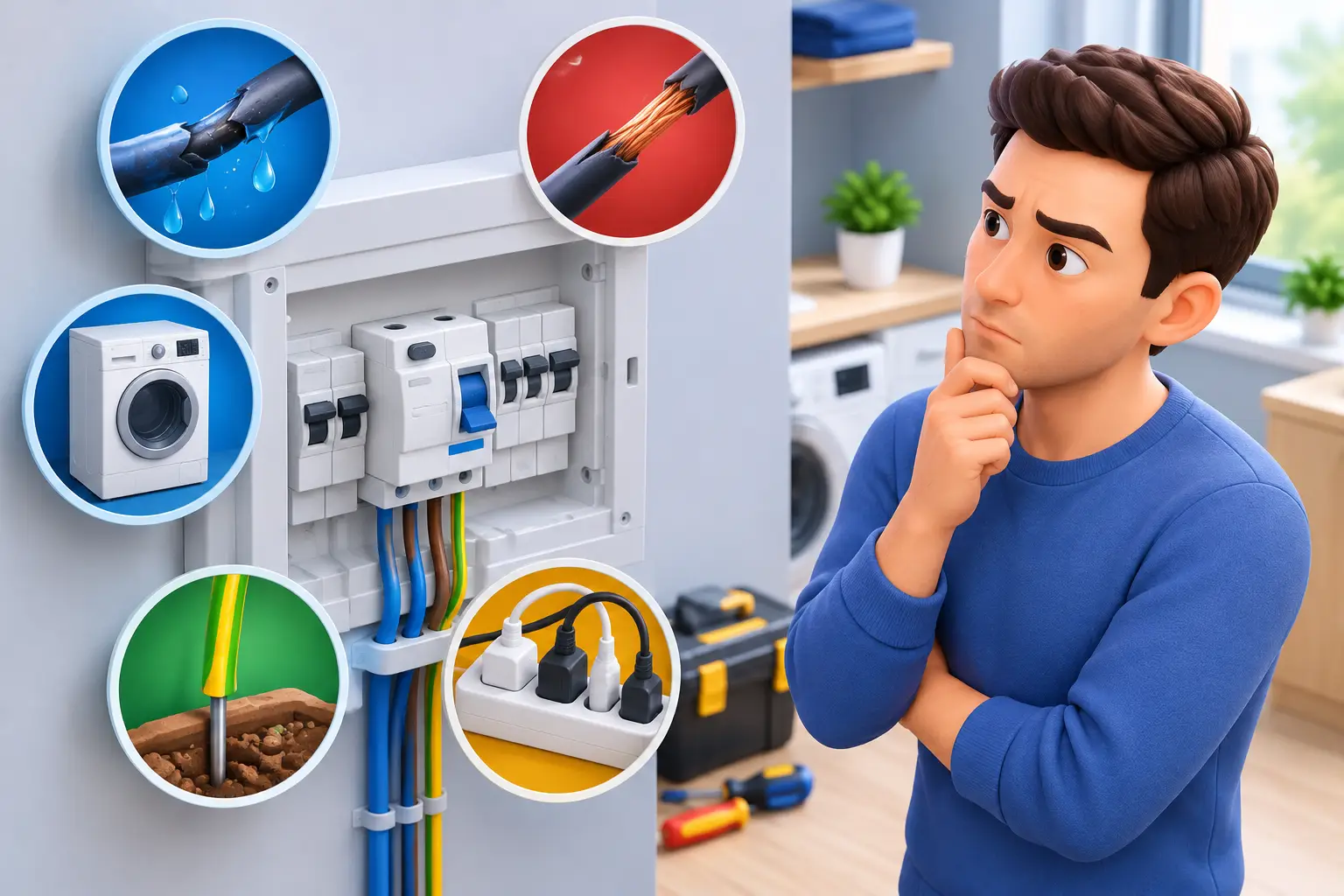
Why does my RCD trip? Learn the common causes, what to do safely, and when a qualified electrician should test your home or business...
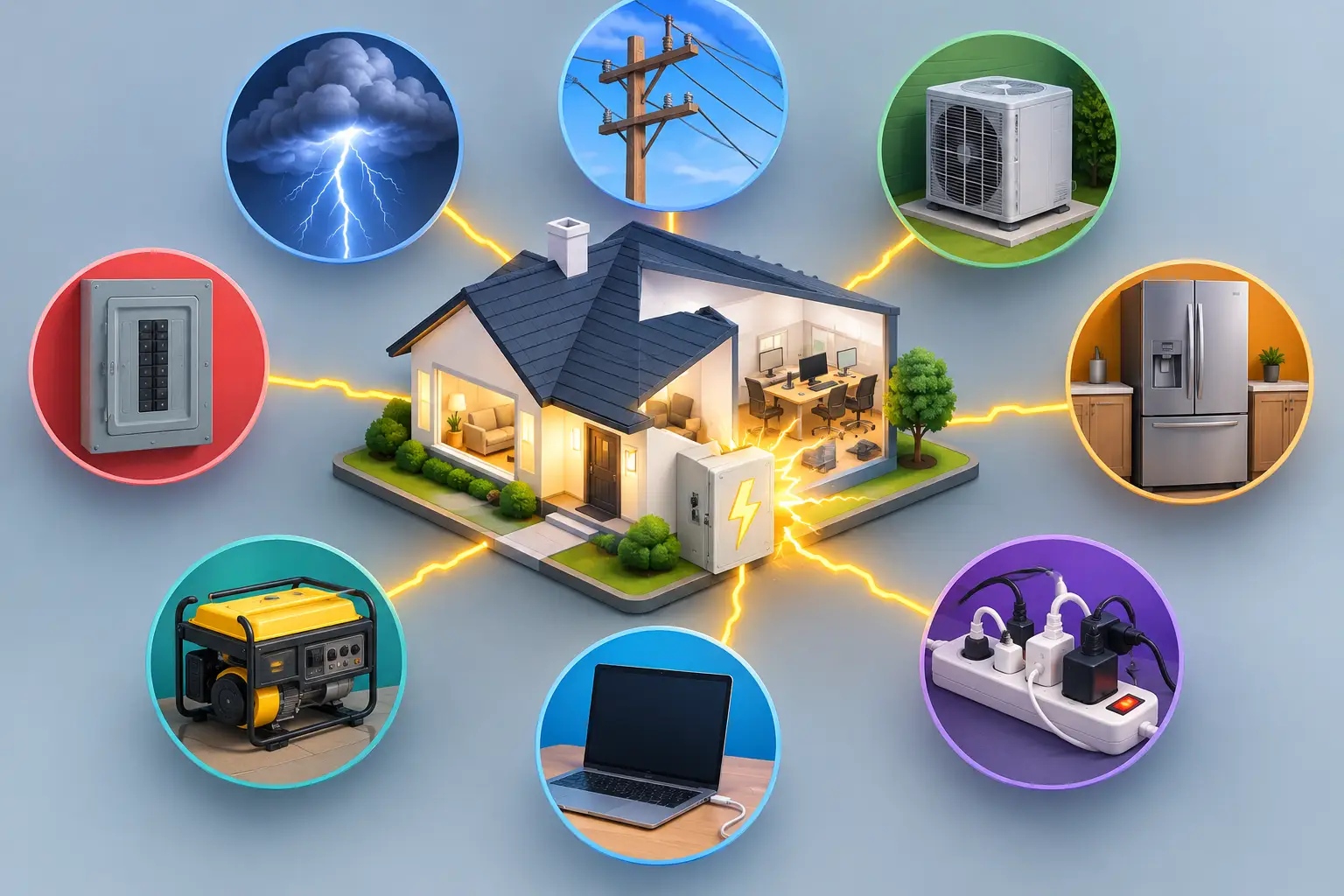
Learn the most common power surge causes in London properties, the warning signs to act on, and how certified protection keeps people and equipment...