November 11, 2026

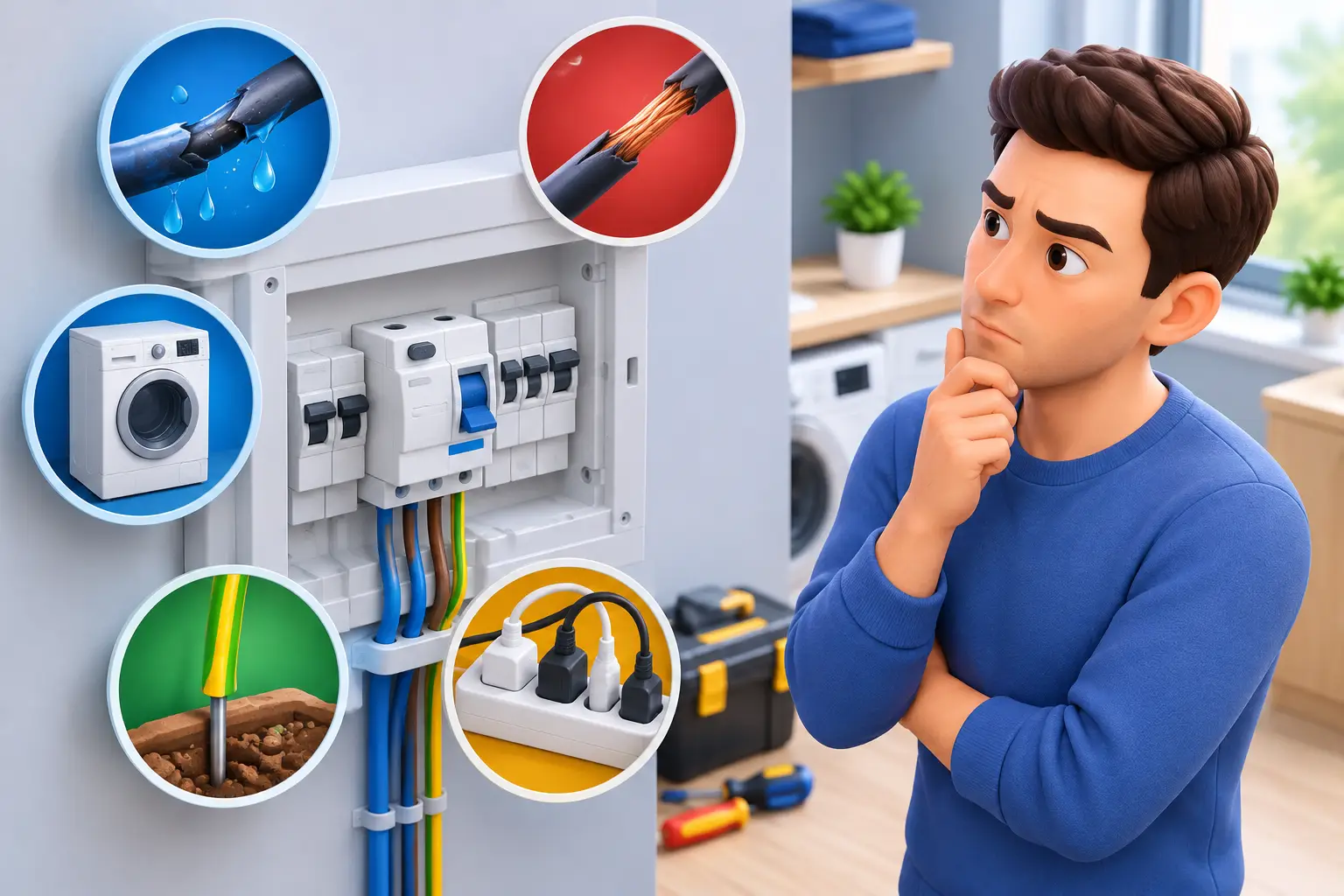
Why does my RCD trip? Learn the common causes, what to do safely, and when a qualified electrician should test your home or business...






A power cut is inconvenient. A voltage surge can be far more expensive, damaging the items you rely on without leaving any obvious warning at the consumer unit. When people search for the best home surge protectors, the right answer is rarely a single plug-in extension lead. Effective protection is usually a considered combination of devices, installed in the right places for the property and its electrical supply.
For London homes, flats, rental properties and small commercial premises, a whole-property surge protective device (SPD) at the consumer unit is often the sensible starting point. It protects the fixed installation and helps reduce the risk to appliances connected throughout the building.
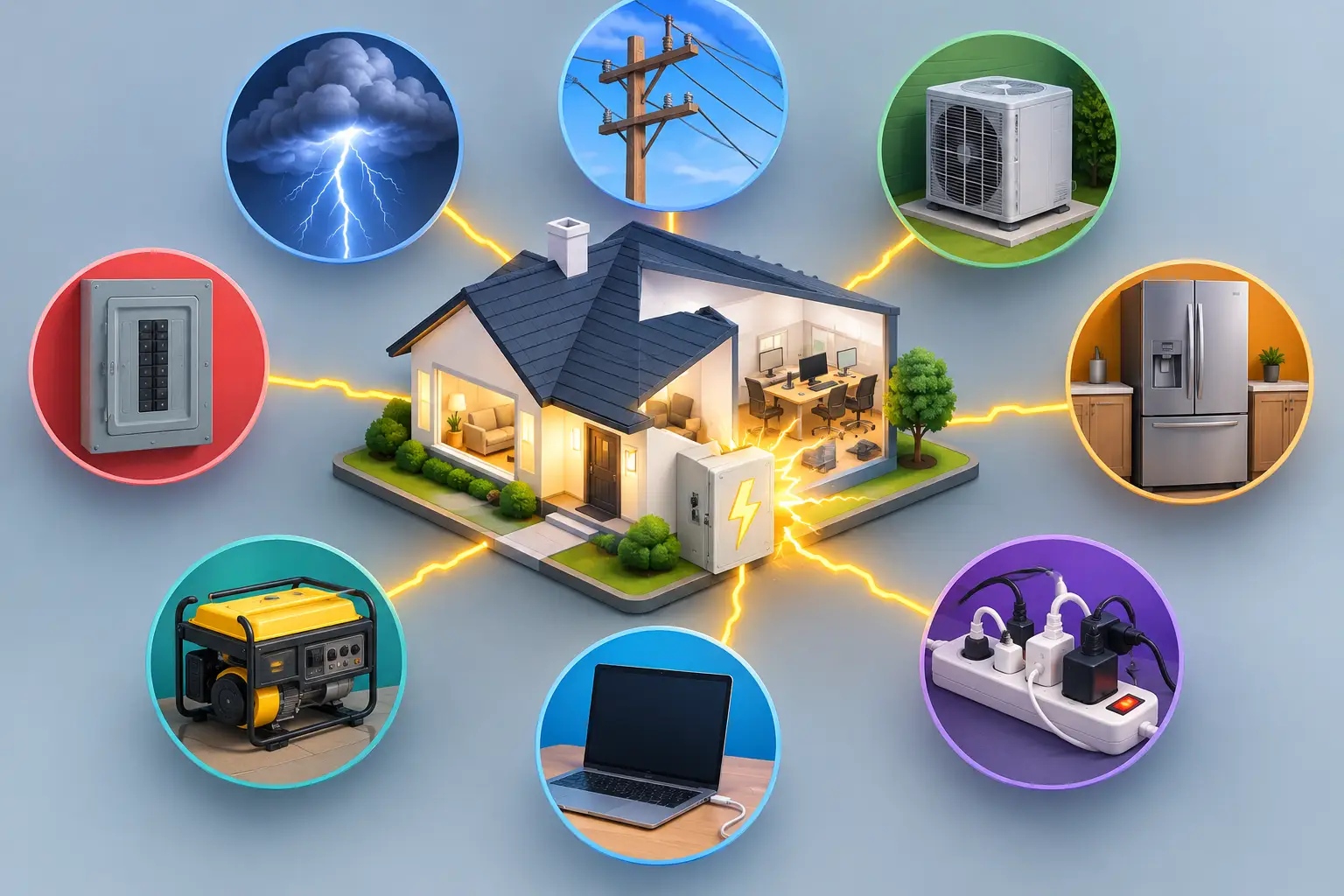
A surge is a brief increase in voltage. It may last only a fraction of a second, but that can be enough to degrade sensitive electronic components or cause sudden failure. Contrary to popular belief, lightning is not the only concern. In built-up areas, most surges originate within or close to the property.
They can occur when large loads switch on and off, including lifts, air conditioning, pumps, electric vehicle chargers, induction hobs and motors. Faults on the wider distribution network, supply restoration after an outage, and nearby electrical works can also create voltage disturbances. The increasing number of smart controls, LED drivers, boilers, alarm systems and networked appliances means modern homes have more equipment worth protecting.
A surge protector does not prevent a power cut, correct low voltage or replace sound wiring. Its role is to divert or limit excess transient voltage before it reaches equipment connected to the installation.
The best choice depends on the incoming supply, the type of consumer unit, whether the property has overhead lines or lightning exposure, and the equipment you need to protect. There are three main categories of SPD, commonly described as Types 1, 2 and 3.
A Type 1 SPD is designed to deal with very high-energy surge currents, including those associated with a direct or nearby lightning event where a building has an external lightning protection system. It is not standard for every London home, but may be specified following a proper risk assessment, particularly for certain larger or exposed buildings.
Type 1 protection needs careful design and coordination. It should not be treated as an off-the-shelf upgrade without checking the earthing arrangement, supply characteristics and the rest of the installation.
For the majority of domestic properties, a Type 2 SPD installed at the consumer unit provides the most practical level of whole-home protection. It limits transient overvoltages entering through the electrical supply and reduces the voltage that travels through circuits serving sockets, lighting and fixed equipment.
A Type 2 device is particularly worthwhile where a consumer unit is being replaced, a property is rewired, or new high-value electrical equipment is being installed. This can include a heat pump, EV charger, smart heating controls, security system or home office equipment.
Many modern consumer units can accommodate an SPD, but space, manufacturer compatibility, cable routing and protective device arrangements all need to be checked. A qualified electrician can confirm whether the device can be fitted to the existing board or whether a consumer unit upgrade is the better route.
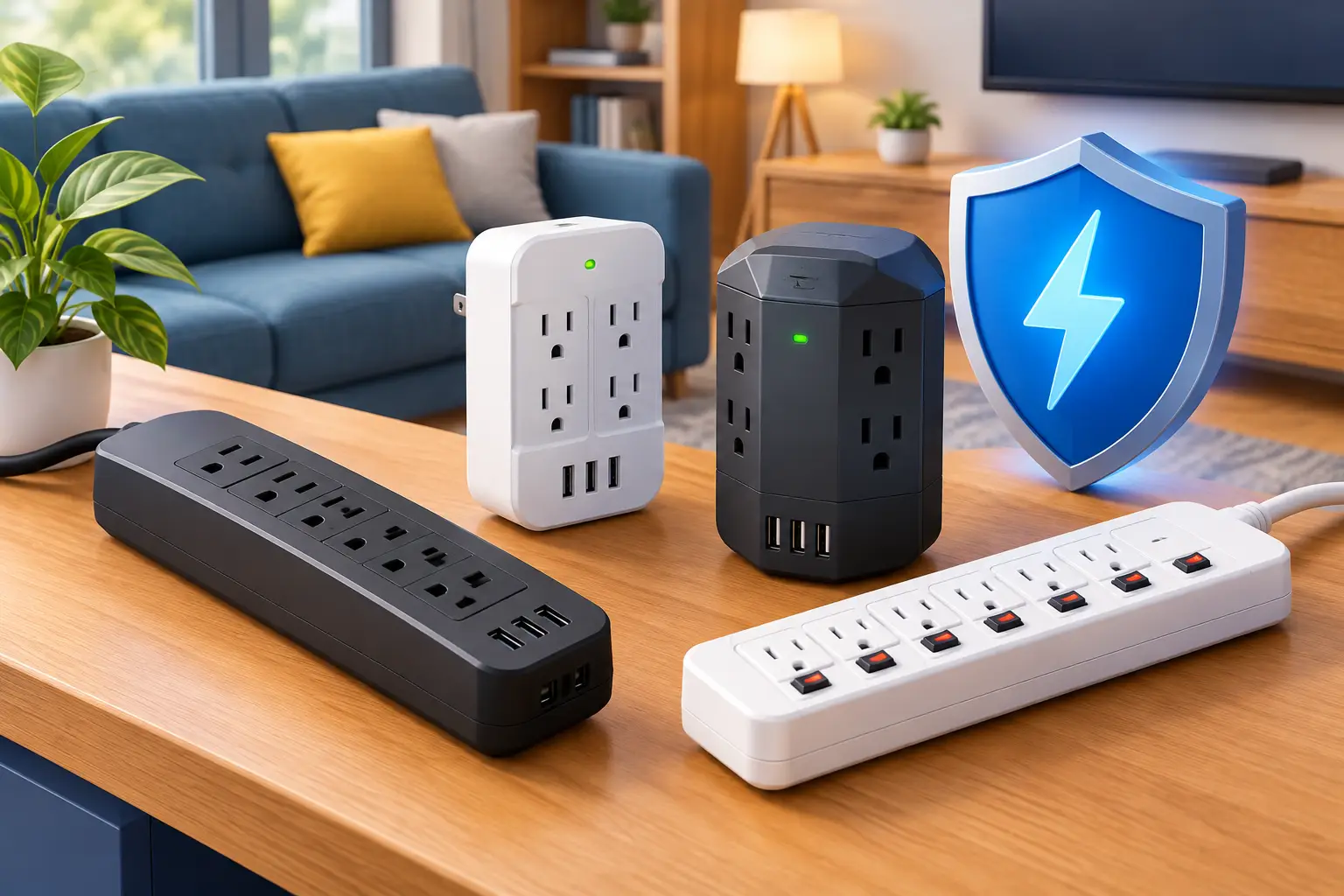
Type 3 devices are the familiar plug-in surge-protected socket strips and adaptors. They provide a final layer of protection close to sensitive equipment such as televisions, computers, routers, games consoles and audio equipment.
They are useful, but they are not a substitute for a consumer-unit SPD. A plug-in unit protects only the equipment connected to it, and its protection can be limited when a surge has travelled through a large part of the installation first. It also cannot protect hard-wired items such as a boiler, cooker, electric shower or alarm panel.
The strongest approach for many properties is coordinated protection: a Type 2 SPD at the consumer unit, with quality Type 3 units for particularly valuable or sensitive equipment.
Product labels can be technical, and higher figures do not automatically mean better protection for your particular property. Start with suitability and compliance rather than choosing the cheapest multi-socket lead on the shelf.
Look for equipment intended for use in the UK and designed to the relevant British or European standards. For consumer-unit devices, correct compatibility with the board and installation to BS 7671 requirements matter as much as the SPD itself. An electrician should also check the earthing and bonding, because surge protection performs as part of the wider electrical system, not in isolation.
For plug-in protectors, choose a reputable, properly rated unit with shutters, an overload feature where appropriate and a clear status indicator. A status light is helpful, but it is not a guarantee that every part of the installation is safe. If the indicator shows the protection has failed, replace the unit rather than continuing to use it as an ordinary extension lead.
Avoid daisy-chaining extension leads or relying on inexpensive adaptors with vague claims. They may add sockets, but they can create overheating and overloading risks. If there are not enough fixed sockets in the right places, additional socket outlets installed by a qualified electrician are the safer long-term solution.
Surge protection is not simply a luxury addition for owner-occupied homes. Landlords and property managers may have boiler controls, smoke and heat alarm systems, communal access equipment, broadband hardware and appliances vulnerable to electrical transients. A failed control board can create an urgent maintenance issue, especially in occupied properties.
Whether an SPD is required should be assessed as part of electrical design, alterations and inspection work. Current wiring regulations require consideration of protection against transient overvoltages. The decision is based on risk and the potential consequences of damage, not a blanket assumption that every existing property must immediately have an SPD fitted.
During an EICR or consumer unit assessment, an electrician can identify whether surge protection is present, whether it is suitable, and whether the installation shows other issues that should be addressed first. This is especially valuable in older London properties, where consumer units and earthing arrangements can vary significantly between flats in the same building.
A surge protector can only work properly when it is correctly selected and installed. Cable length and routing are especially relevant at the consumer unit: unnecessary length can reduce the effectiveness of the protection. The installer must also consider the system earthing arrangement, fault protection, circuit configuration and the manufacturer’s instructions.
Consumer-unit work should never be approached as a DIY task. Opening the board exposes live parts and changes to fixed wiring may require testing, certification and notification under Building Regulations, depending on the work and location. A professional installation includes verification that the electrical system remains safe after the SPD has been added.
It is also worth recognising the limits. An SPD cannot repair deteriorated wiring, make an overloaded circuit safe, or protect against every conceivable electrical fault. If lights flicker, breakers trip repeatedly, sockets feel warm, or you smell burning, arrange an urgent inspection rather than assuming a surge protector will solve the problem.
The most cost-effective time to fit whole-home protection is often during planned electrical work. A rewire, consumer unit replacement, extension, loft conversion or EV charger installation gives an electrician the opportunity to assess the installation as a whole.
It can also be a sensible standalone upgrade if you have recently experienced supply disturbances, replaced expensive electronics, or depend on electrical equipment for work, security or heating controls. For a flat, the answer may depend on whether the consumer unit serves only your home and on the electrical arrangements within the wider building.
EDL Electrical can assess your consumer unit, earthing and property requirements before recommending a compliant surge protection solution. The aim is not to sell unnecessary equipment, but to provide protection that suits the risk, the installation and the systems you depend on.
A well-chosen SPD is quiet protection: it does its job in milliseconds, often without you ever knowing a surge occurred. Having the right device professionally installed means the next unexpected disturbance is less likely to become an expensive repair or an avoidable call-out.
Why does my RCD trip? Learn the common causes, what to do safely, and when a qualified electrician should test your home or business...
Learn the most common power surge causes in London properties, the warning signs to act on, and how certified protection keeps people and equipment...
Electric shower keeps tripping? Learn the likely causes, what you can safely check and when to call a qualified London electrician for a lasting...