
October 2, 2026

Are EICRs mandatory? Get clear guidance for London landlords, homeowners and businesses on legal duties, report dates, remedial work and safety checks.







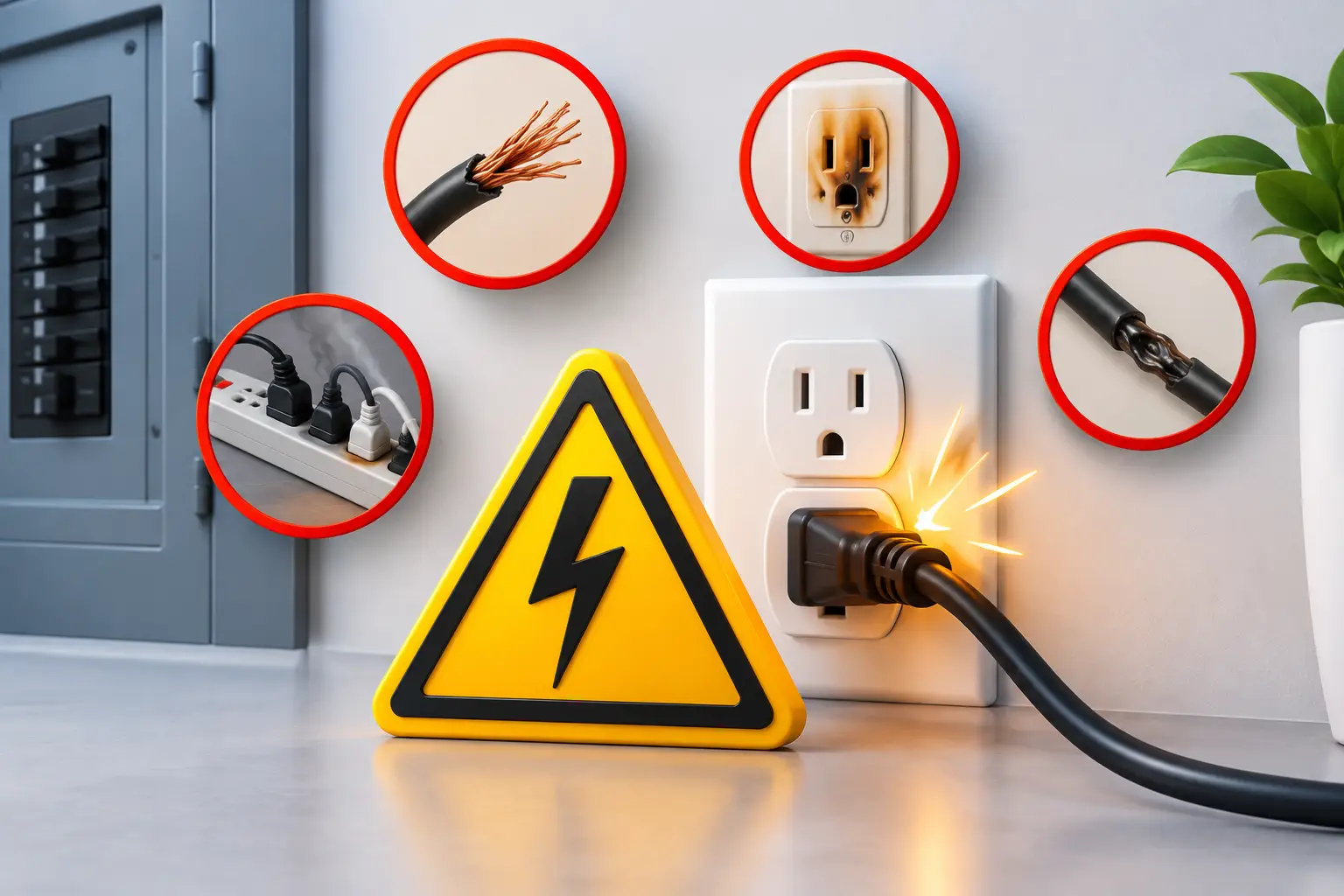
A warm socket, a light that flickers when the kettle boils, or a fuse box that trips repeatedly can be easy to ignore when life is busy. They are also common signs that an electrical fault may be developing. Good electrical safety is not about worrying over every minor issue. It is about recognising when a problem needs prompt attention, protecting the people who use the property, and having work completed properly by a qualified electrician.
For homeowners, landlords and business operators, the stakes are higher than inconvenience. Electrical faults can cause shock, fire, damage to appliances and unplanned disruption. In rented and commercial premises, unresolved faults may also create compliance concerns. A safe electrical installation should work quietly in the background. When it does not, it is worth finding out why.
Some faults are obvious, such as a visible scorch mark or a burning smell. Others are more subtle. The key is to look for changes in how your installation behaves, especially if they happen more than once.
If a socket or switch feels hot, makes a buzzing sound, looks discoloured, or has cracked fittings, stop using it where it is safe to do so. Heat and arcing can indicate loose connections, damaged accessories or an overloaded circuit. Do not cover the problem with an extension lead or attempt a quick repair with tape.
A consumer unit that trips occasionally may be responding exactly as it should. Modern protective devices disconnect power when they detect an overload, short circuit or earth leakage fault. However, repeated tripping is not normal. Resetting it once after identifying an obvious cause can be reasonable, but if it trips again, leaves part of the property without power, or trips with nothing apparently connected, an electrician should investigate.
Lights that dim or flicker can have a simple cause, particularly with incompatible dimmers and LED lamps. Yet widespread flickering, lights changing brightness when appliances start, or sockets that intermittently lose power can point to a loose connection or supply issue. These faults should be checked promptly, as intermittent problems can worsen without warning.
Other warning signs include:
If there is smoke, sparking, flames, or a strong burning smell, do not touch the affected equipment. If it is safe to do so, switch off power at the consumer unit and contact an emergency electrician. Call the emergency services if there is a fire or immediate danger.
Most properties rely on more electrical equipment than they did a decade ago. Home offices, chargers, kitchen appliances, portable heaters, smart devices and entertainment systems can all place additional demand on circuits. The answer is not to avoid using electricity. It is to use it with sensible limits and ensure the installation is suitable for the load.
Extension leads are designed for temporary use, not as a permanent solution for a room with too few sockets. Avoid plugging one extension lead into another, known as daisy chaining, and take extra care with high-wattage appliances. Kettles, microwaves, washing machines, tumble dryers and portable heaters can draw significant current. A multi-way adaptor may be suitable for low-power items such as chargers, but it is not a substitute for properly installed additional sockets.
Portable heaters need particular attention. Keep them clear of curtains, bedding, furniture and drying clothes. Plug them directly into a wall socket where possible, and never leave them running unattended. The same principle applies to heated blankets, electric fans and charging equipment: follow the manufacturer guidance and replace items with damaged cables, plugs or casings.
Bathrooms, kitchens and outdoor spaces require a higher level of care because water increases the risk of electric shock. Keep appliances and leads away from sinks, baths and showers. Use suitable outdoor-rated equipment for gardens and external areas, and ensure any external circuits have appropriate RCD protection. A standard indoor extension lead is not designed for wet conditions or prolonged outdoor use.
Replacing a lamp or resetting a tripped circuit is one thing. Altering fixed wiring, adding circuits, changing a consumer unit, or working in locations with higher electrical risk is another. Poor electrical work is not always visible. A connection may appear secure but overheat behind a socket, while incorrect earthing or inadequate protection may only become apparent during a fault.
Some electrical work in homes must meet Building Regulations requirements and may need to be notified through the correct process. The details depend on the type and location of work, particularly in bathrooms and where new circuits are involved. For landlords and commercial operators, the duty is broader: the electrical installation must be maintained in a safe condition, with appropriate inspection, testing and records.
Using a certified electrician gives you more than a repair. It provides a proper assessment of the fault, correct selection of materials and protective devices, testing after the work, and documentation where required. It also helps prevent the false economy of fixing the symptom while leaving the underlying cause in place.
Landlords in England must ensure that electrical installations in rented properties are inspected and tested at the required intervals, generally at least every five years, with the appropriate report provided to tenants and retained for records. An Electrical Installation Condition Report, often called an EICR, identifies whether an installation is satisfactory and highlights observations that need attention.
For commercial premises, inspection frequency depends on the type of building, how it is used, the condition of the installation and the operating environment. A busy retail unit, workshop, office or mixed-use building may have different risks and maintenance needs. Regular testing should form part of a wider maintenance plan rather than being treated as a last-minute compliance task.
Portable Appliance Testing can also be useful where businesses provide electrical equipment to staff or customers. It is not a legal replacement for maintaining safe equipment, but it can support a sensible inspection regime. Visual checks remain valuable: damaged leads, broken plugs and unsafe appliances should be removed from use immediately.
Older installations can still be safe if they have been properly maintained and tested. Age alone does not automatically mean a full rewire is required. However, an inspection may identify that an older consumer unit lacks modern RCD protection, circuits are overloaded, wiring has deteriorated, or the installation no longer suits the way the property is used.
A consumer unit upgrade can improve protection against electric shock and certain fire risks when it is designed and installed correctly. It is often considered during renovations, extensions, kitchen upgrades or when an EICR identifies limitations in the existing board. The best solution depends on the condition of the wiring, the number of circuits, future electrical demand and the findings of a full inspection.
Rewiring is more disruptive, so it should be planned carefully. It may be the right option where wiring is unsafe, damaged, poorly altered over time or unable to support the needs of a modern property. Good planning can also create the opportunity to add sockets where they are genuinely needed, install suitable lighting, prepare for electric vehicle charging, or improve smart home controls without relying on trailing leads.
Start by checking whether the issue affects only your property or the wider area. If neighbours have also lost power, it may be a supply problem rather than an internal fault. If the loss is limited to your property, look at the consumer unit only if it is safe to do so. Identify any tripped switch, turn off or unplug recently used appliances on that circuit, then reset it once.
If the circuit holds, reconnect appliances one at a time to help identify the cause. If it trips again, do not keep resetting it. Leave the circuit off and arrange professional help. Never remove the consumer unit cover or try to bypass a protective device. Those devices are there to prevent a more serious incident.
For urgent faults across London, EDL Electrical can assess the issue, make the installation safe and carry out the necessary repairs with clear advice on the next steps. Acting early is usually safer, less disruptive and more cost-effective than waiting for a small fault to become an emergency.
A reliable electrical installation should give you confidence, not recurring doubt. If something feels unusual, smells wrong, becomes hot or trips repeatedly, treat that change as useful information and have it checked before it has the chance to cause harm.
Are EICRs mandatory? Get clear guidance for London landlords, homeowners and businesses on legal duties, report dates, remedial work and safety checks.

Discover the best electrical safety upgrades for London homes and businesses, from modern consumer units to surge protection and safer circuits today.
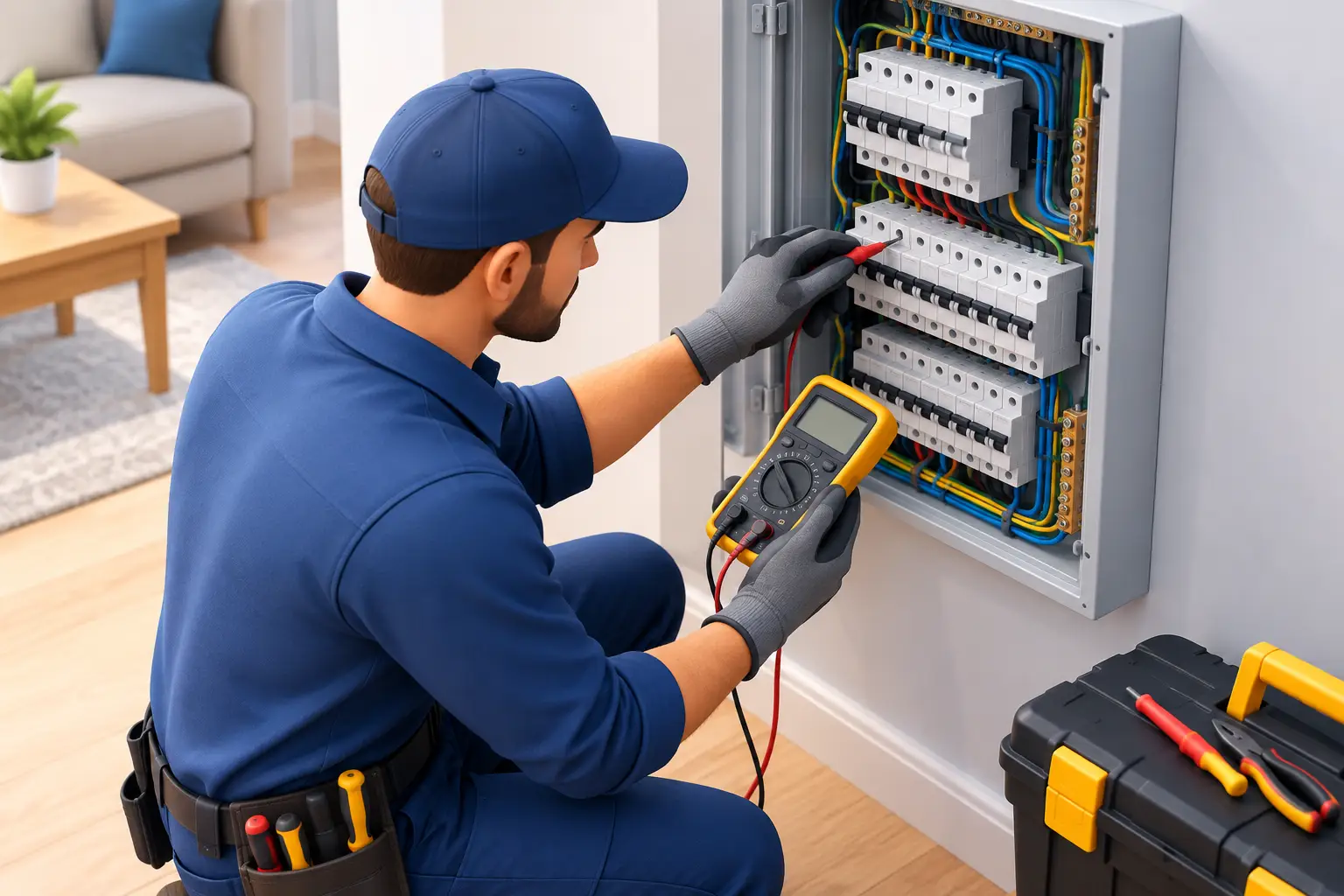
Electrical fault finding reliably pinpoints tripping circuits, power loss and overheating, helping London properties stay safe, compliant and operational.