October 22, 2026

This socket installation cost guide explains London prices, safety checks and what a certified electrician includes in a clear quote for your property.







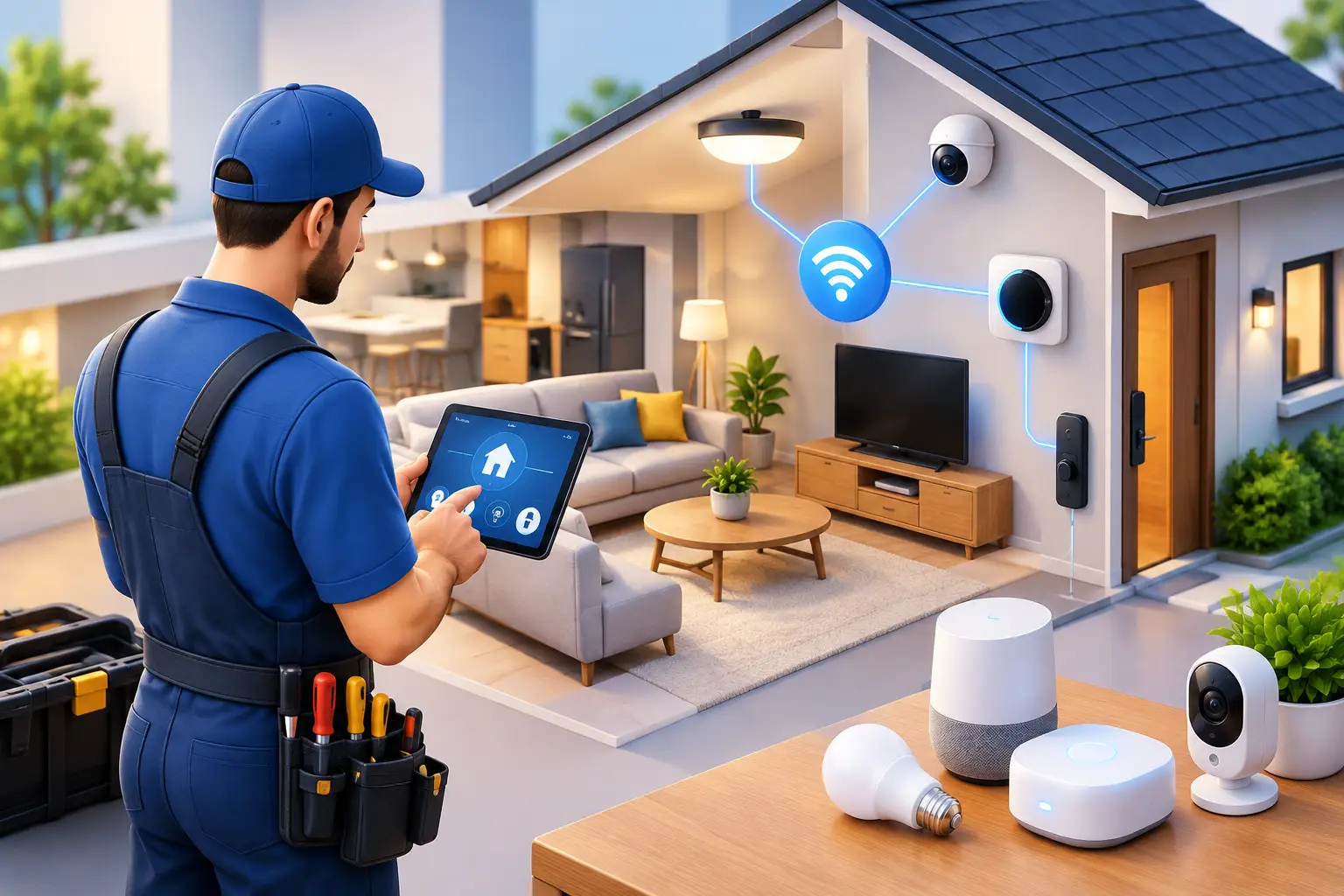
A smart home should make daily life easier, not create a collection of apps, unreliable wireless devices and hidden electrical risks. Choosing the right smart home installation electrician matters because the quality of the electrical design behind the technology determines whether your lighting, heating, security and controls perform reliably for years.
For London homeowners, landlords and commercial property managers, the best approach is to plan smart upgrades around the property’s existing electrical installation. This protects safety, supports compliance and avoids spending money on equipment that is poorly suited to the building.
Smart home work is not limited to fitting a video doorbell or connecting a voice-controlled lamp. A qualified electrician assesses the fixed wiring, circuits, consumer unit capacity, earthing and device locations before installing technology that interacts with your electrical system.
This may include smart lighting controls, automated blinds, heating controls, connected security equipment, CCTV, access control, electric vehicle charging integration and energy monitoring. In larger homes, offices or rental developments, it can also involve structured cabling, network equipment locations and central control systems.
The goal is to create a practical system that works around how the property is used. A family home may prioritise lighting scenes, heating zones and door access. A landlord may need durable heating controls and safety-conscious common-area lighting. A retail or office space may focus on energy management, security and controlled access.
Smart devices are often marketed as quick upgrades, but the electrical installation must be suitable first. Older London properties can have limited circuits, outdated accessories, insufficient consumer unit capacity or wiring that needs investigation before new controls are added.
An electrician should establish whether the installation is safe and capable of supporting the proposed work. Where necessary, this may involve testing circuits, identifying load demands, upgrading protective devices or recommending a consumer unit upgrade. A smart home system should never be used to disguise an underlying electrical fault.
This is particularly relevant when installing smart lighting. Replacing a standard switch with a smart switch can be straightforward, but some devices require a neutral conductor at the switch position. Others need compatible LED fittings or a particular type of dimmable driver. Selecting equipment before checking these details can lead to flickering lights, devices dropping offline or controls that cannot be installed as intended.
Wireless products are convenient, especially in finished homes where extensive cable routes would be disruptive. However, wireless is not automatically the best choice for every function. Signal strength can be affected by thick walls, metalwork, insulation and the layout of a period property.
For critical devices such as CCTV, access control, alarms, outdoor equipment and certain control panels, a wired connection may offer greater reliability. Hardwired systems can also reduce the number of batteries, plugs and separate hubs that require ongoing attention.
The right solution depends on the building, the system’s purpose and the level of reliability required. A professional electrician will explain where wireless makes sense and where a cable-first approach is worth the additional installation work.
The most useful smart homes are designed around simple routines. Rather than adding technology room by room without a plan, decide what should happen when you leave the property, return home, go to bed or open the business each morning.
For example, one control could switch off selected lights, lower the heating, activate security measures and alert you if a door has been left open. In a commercial setting, scheduled lighting and heating controls can help reduce wasted energy outside operating hours.
Avoid creating unnecessary complexity. If every fitting needs a different app, household members and tenants may stop using the system altogether. It is usually better to select compatible products that can be controlled clearly from physical switches, a central app and, where appropriate, voice controls.
A good installation also retains sensible manual control. If the internet connection fails or a mobile phone battery is flat, occupants should still be able to turn lights on, manage heating and access essential functions safely.
Smart lighting can improve convenience, ambience and energy use, particularly in kitchens, hallways, gardens and shared areas. The electrician must confirm that switches, lamps, LED drivers and dimmers are compatible. Poorly matched components are a common cause of buzzing, flashing and shortened lamp life.
Lighting circuits may also need careful planning where multiple switches control one area, such as staircases, landings or open-plan spaces. A correctly designed system keeps the controls intuitive rather than making a familiar lighting layout difficult to use.
Smart thermostats and heating zones can provide more control over comfort and energy consumption. However, they need to work correctly with the existing boiler controls, valves, electrical supplies and any underfloor heating system.
For landlords, dependable heating control is especially important. Choose controls that are straightforward for tenants to use and that do not rely on complicated programming for basic operation. Clear handover information is as important as the installation itself.
Connected doorbells, cameras, alarms and smart locks can improve visibility and convenience, but they should be installed with privacy, coverage and reliability in mind. Camera locations need to provide useful views without creating avoidable blind spots or pointing unnecessarily at neighbouring property.
External equipment also needs suitable weather protection and secure cable routes. A professional installation helps ensure power supplies, data connections and mounting points are appropriate for the environment.
Smart devices contain sensitive electronics. Surge protection can help protect connected equipment against transient overvoltage, while correctly selected RCD or RCBO protection supports electrical safety.
Where a property depends heavily on connected security, communications or work equipment, consider what happens during a power cut. Backup power, generator arrangements or dedicated circuits may be appropriate in some cases. The correct option depends on the criticality of the equipment and the property’s electrical design.
Before work begins, you should receive a clear explanation of the scope, equipment and any preparation required. This is particularly valuable if the work forms part of a refurbishment, extension or rewire, when cables and control points can be planned before walls and ceilings are closed.
Ask whether the electrician will assess the existing installation, confirm compatibility, provide certification for notifiable work where required and explain how the system will be handed over. You should also understand who will support the installation if a device fails, software settings need changing or the property is later altered.
A reliable contractor will be direct about limitations. Not every desired feature can be added without additional cabling, upgraded protection or changes to the consumer unit. Honest advice at the quotation stage prevents costly revisions later.
To help the project run smoothly, decide the main outcomes you want and prepare a simple brief covering:
You do not need to know the technical specification before speaking to an electrician. What matters is being clear about how you want the property to function, what frustrations you want to remove and which systems must remain dependable.
London homes and commercial buildings vary widely, from Victorian terraces and converted flats to new-build developments and multi-use premises. That variety is why a site-specific assessment is more valuable than a one-size-fits-all package.
EDL Electrical can assess the condition of the existing installation and plan smart home integration alongside lighting work, rewiring, consumer unit upgrades, security-related power supplies and electrical testing. This joined-up approach helps keep the installation safe, practical and easier to maintain.
The right smart home system should fade into the background. Lights should respond when needed, heating should be easier to manage, security should be dependable and manual controls should still make sense. Begin with safe electrical foundations and clear priorities, and the technology will serve the property rather than complicate it.
This socket installation cost guide explains London prices, safety checks and what a certified electrician includes in a clear quote for your property.
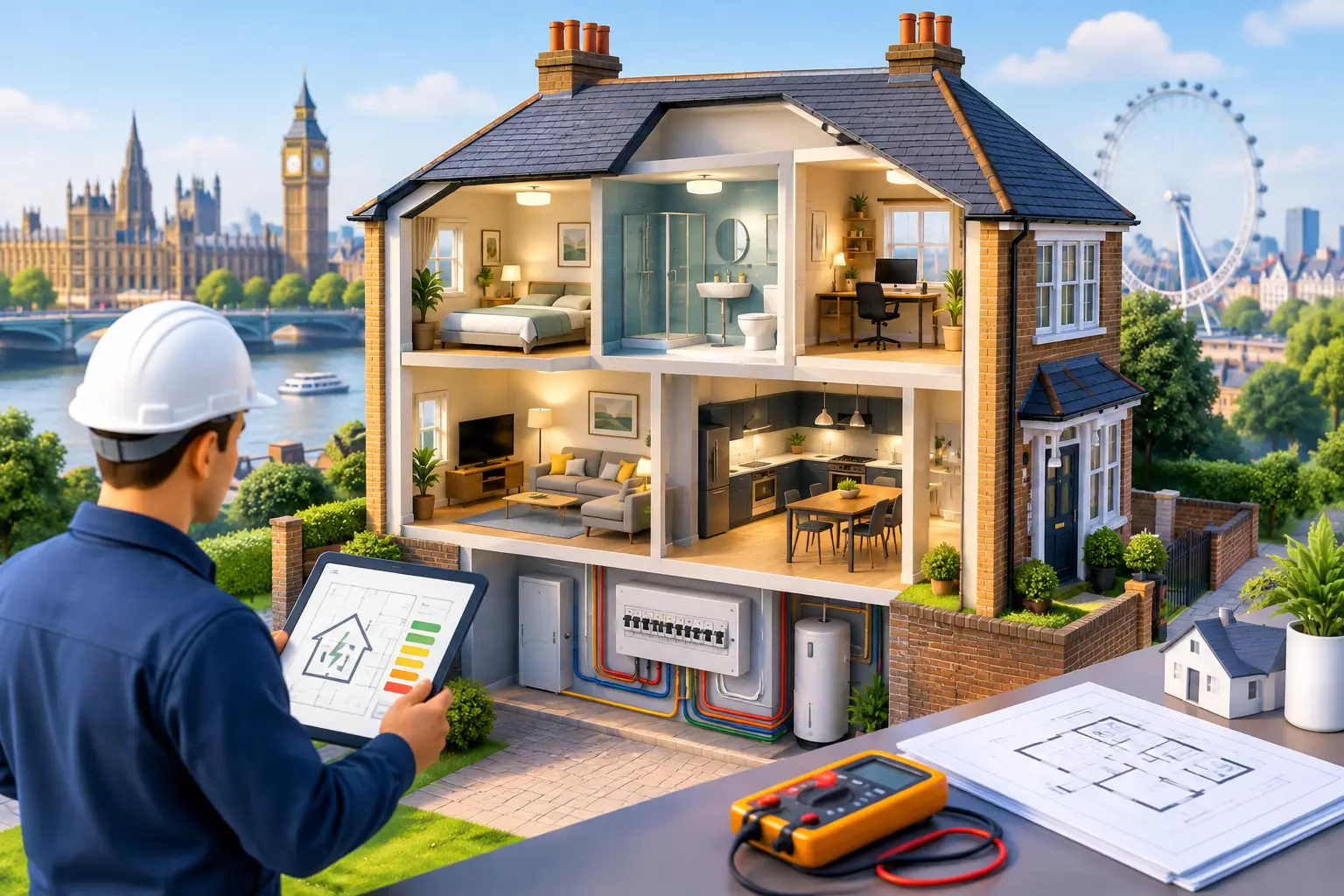
Use this electrical load assessment guide to spot capacity risks, plan upgrades and keep London homes, rentals and workplaces safe and compliant now.
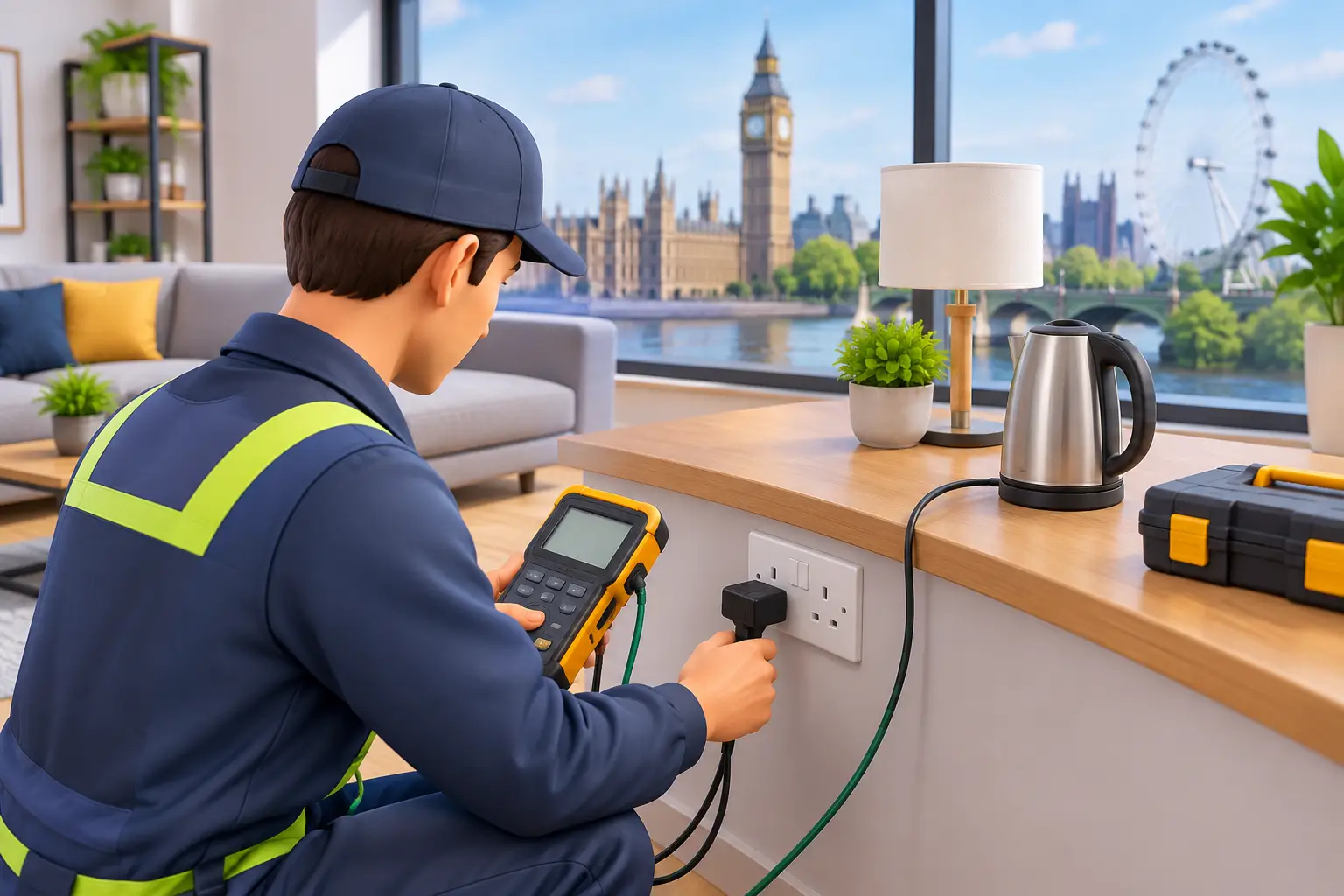
Understand PAT testing requirements for London homes, landlords and businesses, including legal duties, risk-based testing intervals and clear records.